Deciding when your child should switch from a pediatric dentist to a general dentist can be a puzzle packed with questions. As parents, you want the best for your child’s dental health, especially as those precious baby teeth start to make way for permanent teeth. Pediatric dentistry offers tailored, comforting care during these crucial growth stages, making it an indispensable option for young ones. However, transitioning to a general dentist when your child becomes a teenager can provide them with a broader scope of dental care as they reach adulthood.
So, when is the right time to make the transition?
Typically, children shift around 16 to 18 years old once their permanent teeth are in place. In this article, we’ll explore the factors that influence this decision and how to support your child’s dental experiences and nurture their journey to healthy smiles.
What Is Pediatric Dentistry?
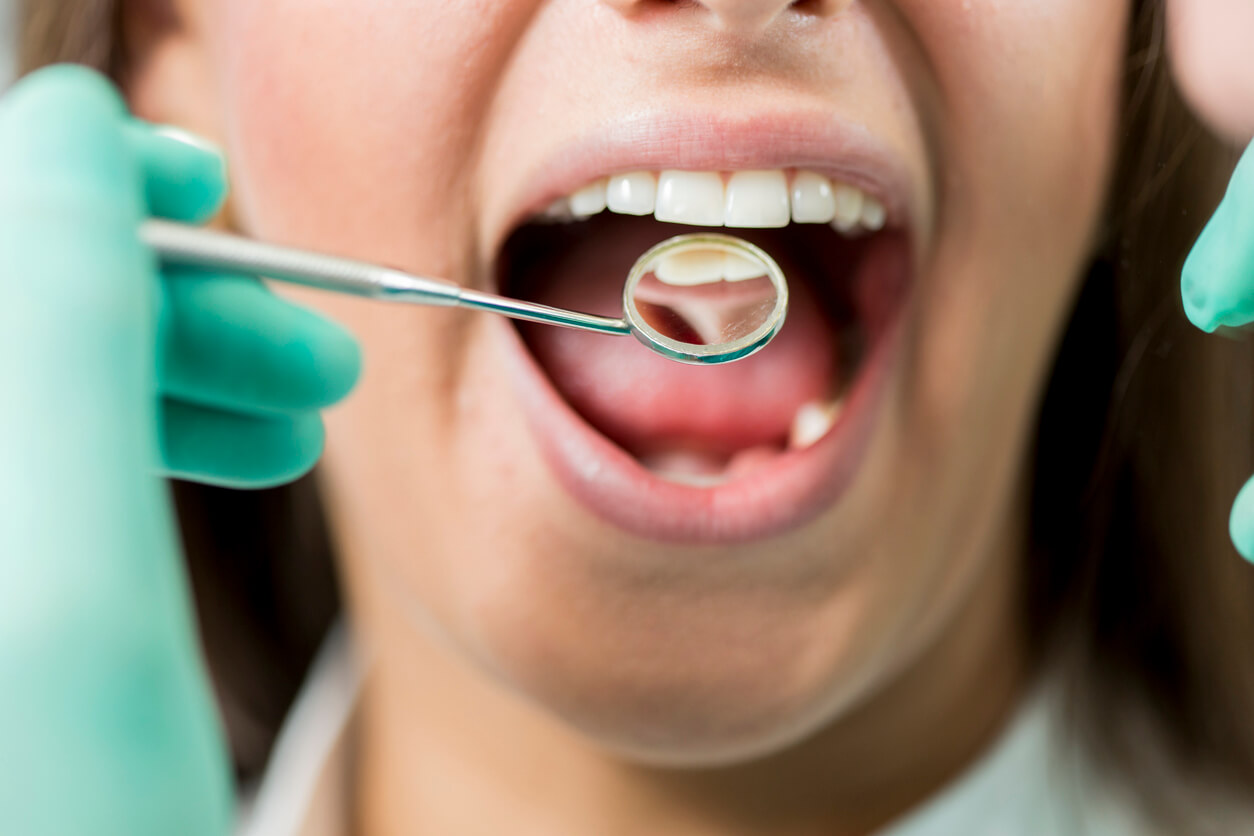
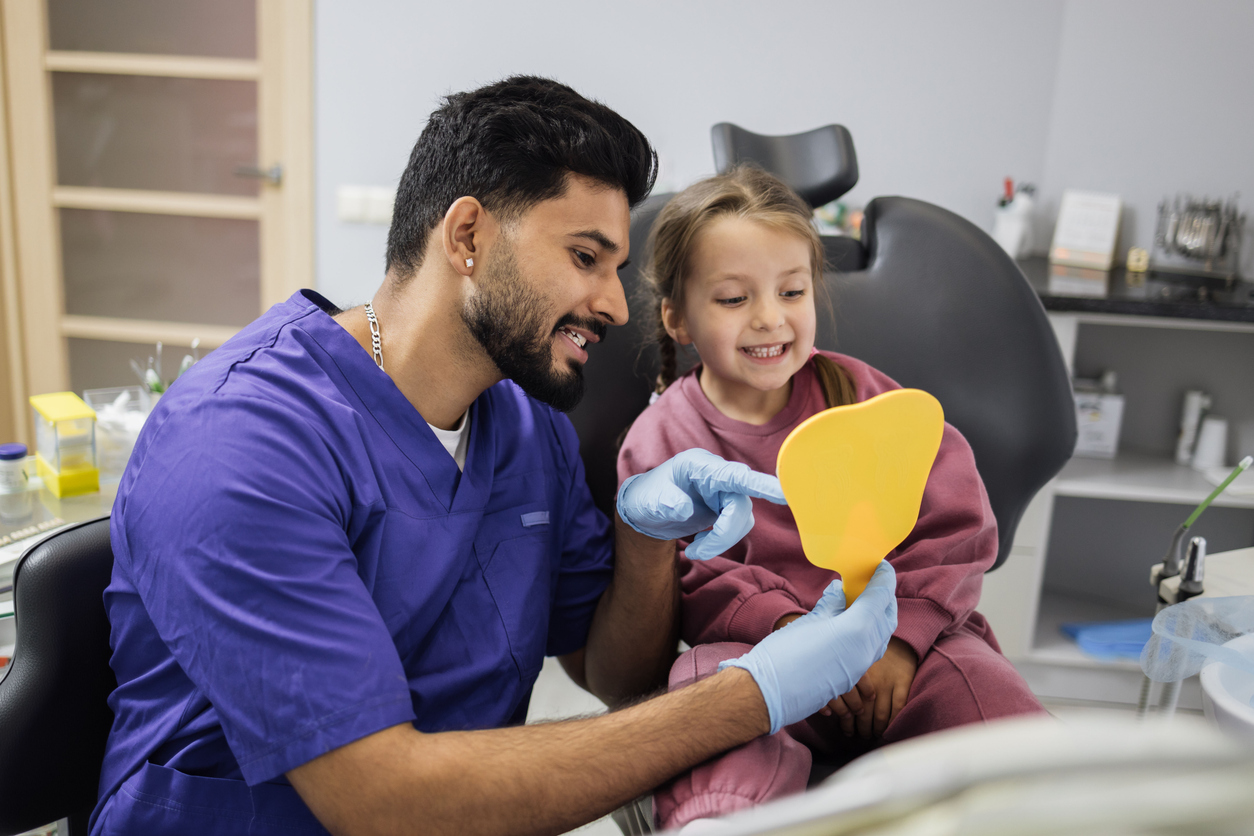
Pediatric dentistry is a specialized branch of dentistry that focuses on providing comprehensive dental care for infants, children, and adolescents. Pediatric dentists, who often work in child-friendly offices, receive additional training in dental school to address the unique dental issues that occur during dental development. This specialized training helps them provide appropriate care to young patients.
This contrasts with regular dentists operating in general dental practice, who may not have the same focus on oral health care specifically tailored to children. By offering specialized dental services, a pediatric care provider is uniquely equipped to handle the complexities of early dental development that are crucial for fostering long-term oral health.
To better understand what sets pediatric dentistry apart, let’s explore some of its core elements and how they benefit young patients:
- Preventive Care. Regular dental check-ups, dental sealants, and fluoride treatments to avoid cavities and tooth decay.
- Dental Procedures. Tailored approaches to make certain that dental experiences are positive and anxiety-free for children.
- Orthodontic Screening. Early identification of potential orthodontic issues is necessary to support proper growth and alignment of permanent teeth.
- Behavior Management. Techniques to make children comfortable and ease dental anxiety during visits.
When Should My Child Stop Seeing a Pediatric Dentist?
The decision of when your child should transition from a pediatric dentist to a general dentist varies and often raises the question of what age to stop seeing a pediatric dentist. While the average age to stop seeing a pediatric dentist is typically between 16 to 18 years old, this transition doesn’t have a one-size-fits-all answer. It hinges on several personalized aspects, including oral hygiene habits and the age limit typically associated with pediatric care.
Some children might benefit from the specialized care of a pediatric dentist well into their teenage years, where the focus remains on crucial roles like managing primary teeth and instilling healthy habits, while others may be ready to move on to an adult dentist sooner.
It’s crucial to consider your child’s individual needs, including their comfort level at the dentist, their dental health history, and their stage of development. Continued care, along with addressing specific dental concerns, plays a significant part in children’s transitioning smoothly. A thoughtful and informed decision made in collaboration with your child’s dentist can help make this transition as smooth as possible, supporting a lifelong journey of healthy smiles.
What Are the Factors Affecting the Age of Transition?
Several elements come into play when deciding the right time for your child to move from a pediatric dentist to a general dentist. Understanding these factors can help you make a confident choice for your child’s continued dental care and overall well-being.
Dental Development
As children grow, their transition from baby teeth to permanent teeth is a key indicator of readiness; during this period, a family dentist can also monitor the emergence of wisdom teeth. Monitoring this process helps in assessing if they are prepared for more complex dental care.
Typically, around adolescence, most children will have a majority of their adult teeth, paving the way for a transition to being adult patients at a family dental practice or another dental care provider. Ensuring proper dental development is crucial for addressing potential issues like orthodontic treatment needs and maintaining healthy teeth to prevent oral health issues.
Maturity Level
A child’s emotional readiness also plays a significant role. Some kids may feel comfortable adapting to a general dental care provider’s setting earlier than others. It’s important to observe how mature your child is during routine dental check-ups, their ease in transitioning from the familiar environment of pediatric dentist services to a new dental office, and their ability to handle changes in their oral hygiene routine.
A welcoming and child-friendly environment can help ease the shift, providing necessary emergency care if needed. This approach not only facilitates a smooth transition but also maintains a positive experience. Guidance for parents is also offered, reflecting the core of effective care for children.
Oral Health Needs
Complex dental issues, such as childhood cavities, might require specialized care beyond a certain age range. Some children may have ongoing orthodontic issues or require specific dental procedures best managed by a general dentist, whose wide range of expertise can be an ideal choice for such cases.
Regular dental visits, with an emphasis on cavity prevention, along with effective oral hygiene practices, play a vital role in assessing these needs. These visits are often scheduled on regular schedules and utilize dental exams and dental records to determine when it’s time for your child to make the transition, taking individual circumstances into account.
Behavioral Considerations
Children with significant dental anxiety may benefit from the continued care of a pediatric dentist who has special training in behavior management techniques. If your child becomes more anxious during visits, it might be beneficial to delay transitioning. Keeping their comfort level in mind will help you gauge the right time for change.
A gradual move with discussions and visits can help ease this transition. Involving your child in conversations about their care and allowing them to express their preferences can also foster a sense of control and confidence during the transition.
Parental Guidance
Parents play a crucial role in determining the right time to transition. By staying informed about their child’s oral health and discussing observations with the healthcare provider, they can make educated decisions. A strong partnership with dental professionals makes sure that all aspects of a child’s needs are addressed. Being proactive and communicative will guide a seamless transition.
Additionally, parents can help their child feel more comfortable and confident during dental visits by discussing any concerns and emphasizing the importance of maintaining good oral hygiene practices.
How Can You Ensure a Smooth Transition?
Moving from a pediatric dentist to a general dentist marks a key milestone in your child’s dental journey. To make this change seamless, certain steps can help bridge the gap.
Open Communication
Begin by having a chat with your child about the upcoming transition. It’s important to prepare them for the change by explaining why this move is beneficial for their oral health. Encourage them to ask questions or share any concerns they might have. Maintaining open communication not only promotes understanding but also helps your child feel more at ease with what’s ahead.
Collaboration Between Dentists
It would be really beneficial to arrange a meeting or exchange of information between your child’s pediatric dentist and their new general dentist. This way, you can ensure there’s a smooth transition in their dental care. By sharing your child’s dental history and any specific issues, you’re helping the general dentist get a clear picture of their needs and past experiences. It’s a great way to ensure your child continues to receive the best care possible.
Gradual Introduction
It might be helpful to introduce your child to the dental office with a low-key, first visit to make them feel comfortable. This allows them to familiarize themselves with the environment and meet the staff in a relaxed setting. Gradual exposure can significantly reduce dental anxiety and increase their comfort level. It sets the stage for future productive dental visits.
Reinforcement of Positive Experiences
Focus on all the positive things about this upcoming change. There are new opportunities to continue taking great care of your smile, making sure it stays healthy and bright. It’s important to reassure your child that maintaining excellent oral health is still a priority, and this transition can be an exciting one. Encouraging a positive attitude can really help shape how your child views this experience. With your enthusiasm and support, you can make the shift to the new dentist smooth and stress-free.
Monitoring and Support
Keep an eye on how your child is settling into their new dental care routine, and be ready to support them as they adjust. Watch for any signs that they might be uncomfortable or unsure about the changes. It’s essential to reinforce good oral hygiene habits and remind them why regular check-ups are crucial. By staying involved, you can help your child feel secure and build confidence in their journey towards better oral health.
Ready for the Next Dental Step? Contact Us for Expert Care!
Transitioning from a pediatric to a general dentist is a significant step in your child’s dental journey. By understanding the right timing, you’re setting them up for a lifetime of healthy smiles and positive dental experiences.
Ready to guide your child confidently into the next stage of dental care? Contact Dunedin Family Dentistry today. Our team is committed to providing personalized support and helping your child feel at ease during this important transition. Reach out to us to discover how we can help maintain your child’s oral health and make their journey as smooth and reassuring as possible.