Denture discomfort can be a common challenge for many. When dentures don’t fit right, they can lead to sore gums and irritation. This issue, known as denture stomatitis, affects between 20% and 67% of people who wear dentures worldwide.
Whether your dentures are loose or you’re missing teeth, simple solutions can help ease your pain. If you’re wondering, let’s explore easy tips to soothe those sore spots and get your smile back to feeling good.
What Are Denture Sores?
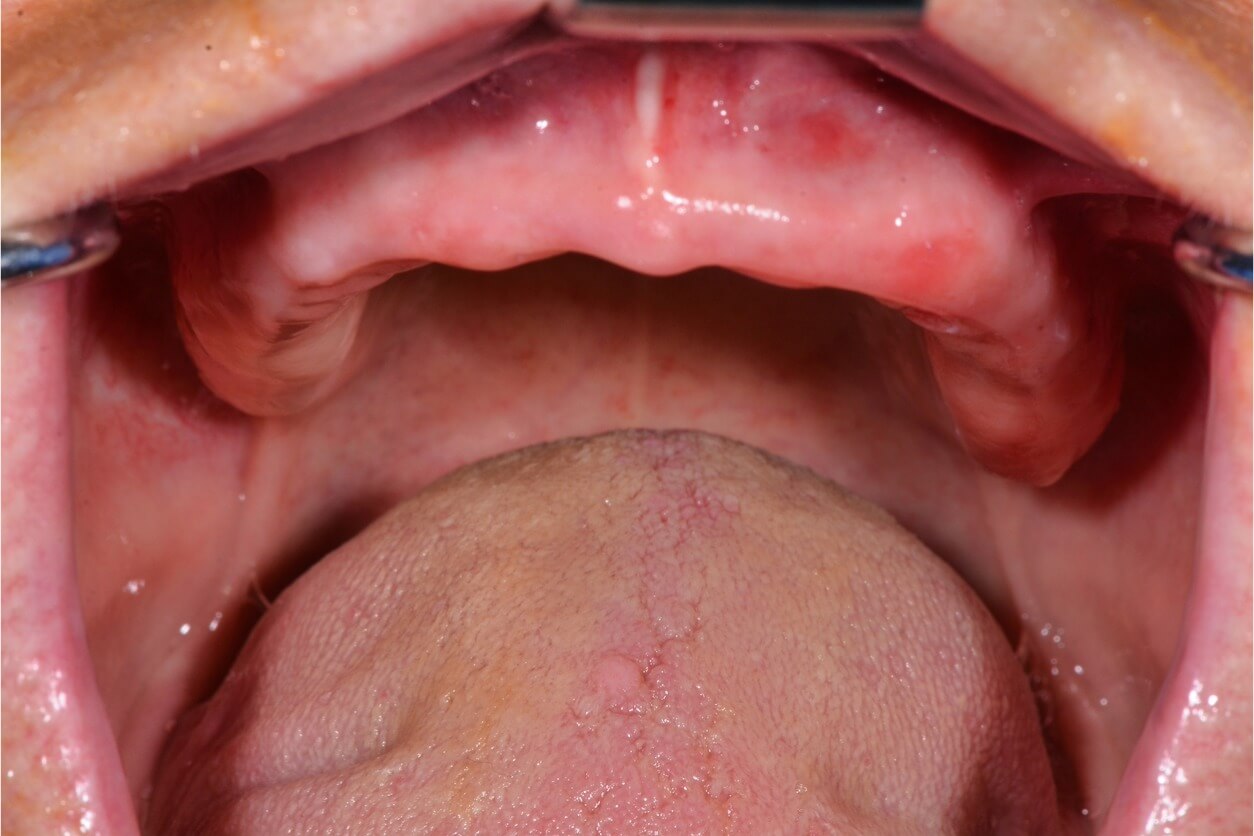
Denture sores are painful spots that develop in your mouth, often where dentures rub against your gums. This friction can lead to inflammation called denture stomatitis, affecting the soft tissues. These sore areas can make wearing dentures uncomfortable, turning daily activities like eating and speaking into a challenge.
What Causes Denture Sores?
Denture sores can be frustrating and uncomfortable. Understanding their causes can help you address and prevent them:
- Ill-Fitting Dentures: When dentures don’t fit well, they create pressure points, leading to sore and irritated gums. Regular adjustments can help avoid this issue.
- Poor Hygiene: Food particles and bacteria trapped under dentures can irritate your gums. Practicing oral hygiene by cleaning your dentures daily can help prevent these problems.
- Continuous Wear: Wearing dentures without giving your gums a break can lead to sore spots. Taking them out periodically allows your gums to recover and heal.
- Material Sensitivity: Some people might react to the materials used in dentures, causing further irritation and discomfort. Discussing options with your dentist can help find a suitable material.
- Improper Bite Alignment: When the bite is off, it can cause uneven pressure and sore spots.
- Tissue Changes: Over time, the shape of your gums and supporting tissues can change, making dentures fit poorly.
- Underlying Oral Conditions: Conditions like dry mouth or oral infections can amplify irritation.
How to Identify Symptoms
Knowing how to heal denture sores, you must first recognize the symptoms of denture sores early. Here are some signs to look out for:
- Swollen gums and persistent soreness
- Redness and irritation
- Pain during eating
- Ulcers or blisters
- Difficulty speaking
- Persistent bad breath
Impact on Daily Life
Denture sores can significantly disrupt everyday activities, turning simple tasks into uncomfortable challenges. Here’s how they can affect your daily life:
- Eating Difficulties: Sore spots can make chewing painful, leading you to avoid certain foods. This discomfort may result in a limited diet, impacting your nutrition and enjoyment of meals.
- Social Interactions: Persistent gum irritation can make speaking difficult, causing self-consciousness during conversations. This discomfort might make you hesitant to engage in social activities or gatherings.
- Oral Health Challenges: Constant irritation and pain can discourage proper oral hygiene practices. You may avoid thoroughly cleaning your dentures or gums, which can lead to further issues and complications.
- Emotional Well-being: The ongoing discomfort and self-awareness can affect your mood and confidence. Feeling anxious or embarrassed about your dentures can impact your mental health and overall happiness.
- Overall Wellness: The combination of physical discomfort and emotional strain can make a negative impact on your general well-being. Addressing these issues promptly can help restore comfort and quality of life.
What Is the Best Medicine for Denture Sores?
Finding effective treatments can greatly relieve the discomfort of denture sores. Here’s what you can consider:
Topical Gels and Ointments
Over-the-counter topical gels are specifically formulated for oral use and can provide a numbing effect on sore areas. These gels not only reduce pain but also create a protective barrier, minimizing further irritation. Applying them as directed can offer immediate, short-term relief, enabling you to continue with daily activities comfortably.
Oral Pain Relievers
Non-prescription pain relief medications, such as ibuprofen, can help you manage the overall discomfort associated with denture sores. These medications work by reducing inflammation and lessening the pain, making it easier to eat and speak. It’s important to follow dosage instructions to ensure safe and effective use.
Antimicrobial Rinses
Using antimicrobial mouth rinses can effectively control the growth of bacteria around sore spots. By keeping the area clean, these rinses help reduce the risk of developing infections and support the healing process. Regular use, as part of your dental hygiene routine, can enhance healing and prevent future issues.
Prescription Treatments
For sores that persist despite over-the-counter remedies, consulting a dentist for prescription treatments can be beneficial. Dentists can provide stronger antimicrobial mouthwashes or anti-inflammatory medications tailored to your specific needs. These targeted treatments can address severe discomfort and facilitate faster recovery.
Natural Remedies and Home Solutions
Exploring home remedies can provide gentle relief for denture sores. If you’re wondering how to get rid of denture sores, here are effective ways to soothe irritation at home:
Cold Compress
Utilizing a cold compress on the outside of your mouth can help ease swelling and numb sore spots. Simply wrap some ice in a cloth or grab a gel pack and apply it to the area for 10–15 minutes. This method not only eases inflammation but also offers quick, soothing relief from discomfort, helping you manage pain without medications.
Soft Foods
Choosing soft foods can prevent further irritation to sore spots, making mealtime more comfortable. Foods like applesauce, yogurt, and mashed potatoes are gentle on the gums and help avoid additional pressure that hard or crunchy foods might cause. Maintaining a soft diet while healing allows your gums to recover more quickly and prevents further damage.
Saltwater Rinses
Rinsing your mouth regularly with salt water can help cleanse and soothe your gums. Dissolve or mix half a teaspoon of salt in lukewarm water to make a solution and swish it in your mouth gently for 30 seconds. This simple remedy reduces bacteria, promotes healing, and brings comfort to sore areas, making it a staple in managing oral health.
Warm Water Rinse
Rinsing your mouth with plain warm water can also help keep your gums clean. Do this several times a day, especially after meals, to remove food particles and bacteria. This practice helps maintain oral hygiene and prevents further irritation from developing.
What Is the Fastest Way to Heal Denture Sores?
The fastest way to heal denture sores is to remove your dentures to let the irritated areas rest, keep your mouth and dentures clean, and use a dentist-recommended oral gel or rinse to soothe and protect the sore spots. Adjusting or relining poorly fitting dentures is often the most important step, since proper fit prevents the sores from coming back.
Know When to Seek Professional Help
Sometimes, home remedies aren’t enough to resolve denture sores. If you’re exploring how to cure denture sores more effectively, here’s when you should consider seeking professional help:
- Persistent Sores: If sores continue to cause discomfort despite using home remedies, it’s time to consult a dentist. Persistent irritation can indicate an issue that needs professional evaluation and care.
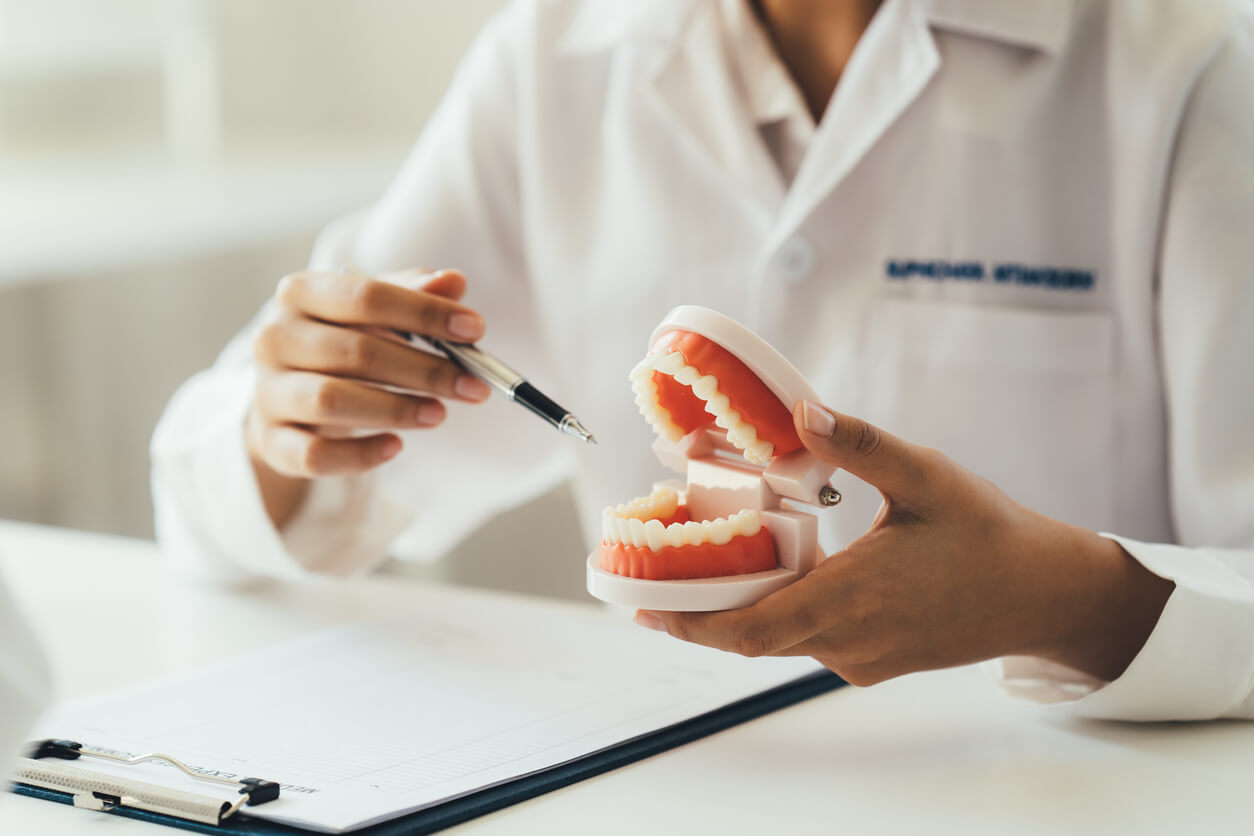
- Denture Adjustments: A dentist can assess if your dentures need adjustments to fit properly. Adjustments help eliminate pressure points and ensure better alignment, which can reduce sore spots and enhance comfort.
- Underlying Issues: Sometimes, sores may be a symptom of underlying oral health problems. A dentist can identify and address these issues, such as infections or periodontal disease, which can contribute to discomfort.
- Severe Pain or Swelling: If you experience swelling, severe pain, or see signs of infection like redness and warmth, seek immediate professional care. These symptoms could point to a more serious condition that requires prompt attention.
Preventing Future Denture Sores
Taking steps can help you avoid the discomfort of denture sores. By focusing on prevention, you won’t have to worry about how to treat denture sores. Here are some effective strategies to keep issues at bay:
Replace Missing Teeth With Quality Dentures
Investing in well-crafted dentures provides comfort and proper alignment. Quality dentures fit better, reducing pressure points and friction that can lead to sore spots. Regular checks with your dentist ensure that your dentures remain in good condition and fit your mouth correctly.
Use Denture Adhesive
Applying denture adhesive can secure your dentures, preventing unnecessary movement that can cause irritation. A secure fit reduces slippage and minimizes the risk of developing sore spots. It also enhances your confidence in performing daily activities like eating and speaking.
Clean Dentures Daily
Maintaining a routine of cleaning your dentures removes bacterial agents and food particles effectively. Use a non-abrasive cleanser and a soft brush to keep your dentures fresh and free from buildup. Regular cleaning not only helps prevent irritation but also promotes overall oral health.
Take Regular Breaks from Wearing Dentures
Giving your gums a rest helps reduce continuous pressure. Taking your dentures out for a few hours daily gives your gums a chance to recover and breathe. This helps maintain healthy and comfortable gums.
Rediscover Your Comfortable Smile Today: Schedule Your Appointment With Us!
Are denture sores holding back your smile? At Dunedin Family Dentistry, we’re here to help you find relief quickly and show you how to heal denture sores fast. Our personalized care ensures that your dentures fit comfortably, allowing you to enjoy life without pain.
Whether you need adjustments or expert advice, we’re ready to support you. Reach out to explore our services and take a step toward a brighter, healthier smile. Let’s bring back your pearly whites and boost your confidence together.