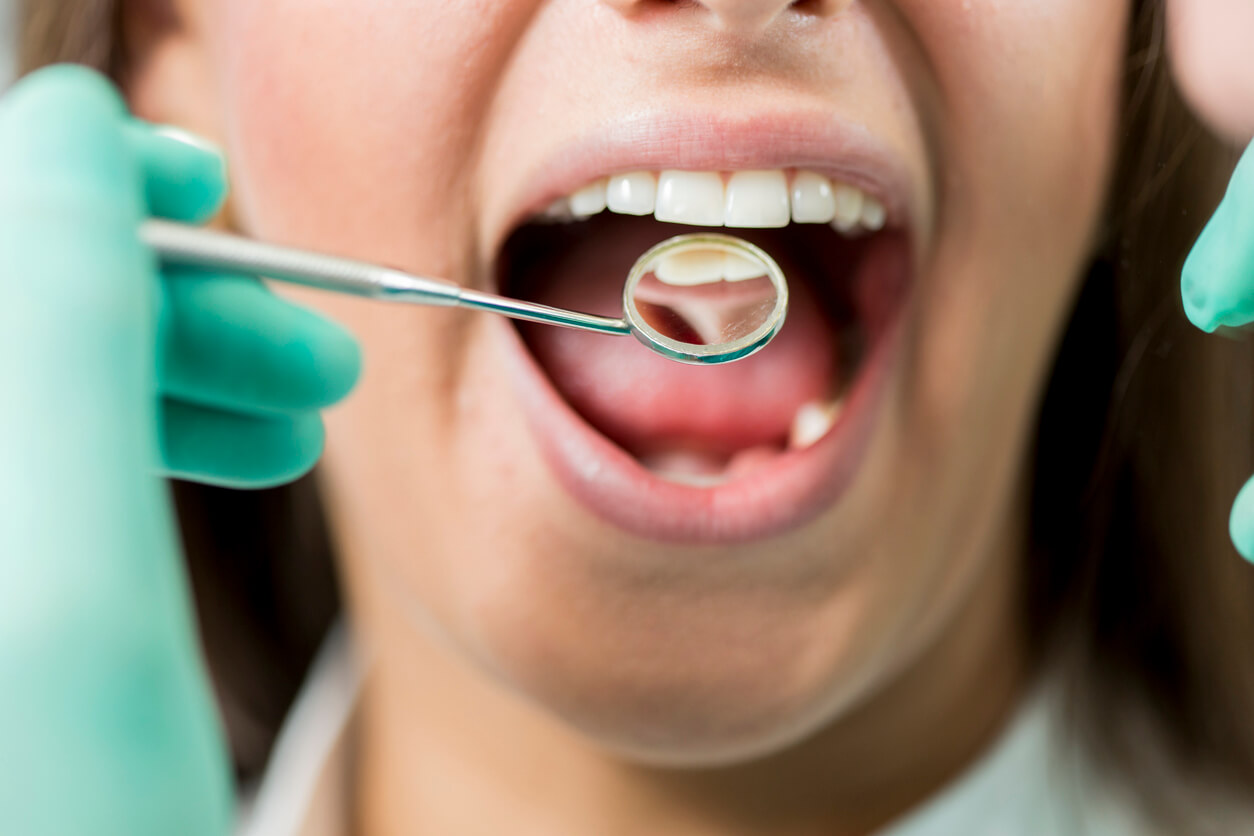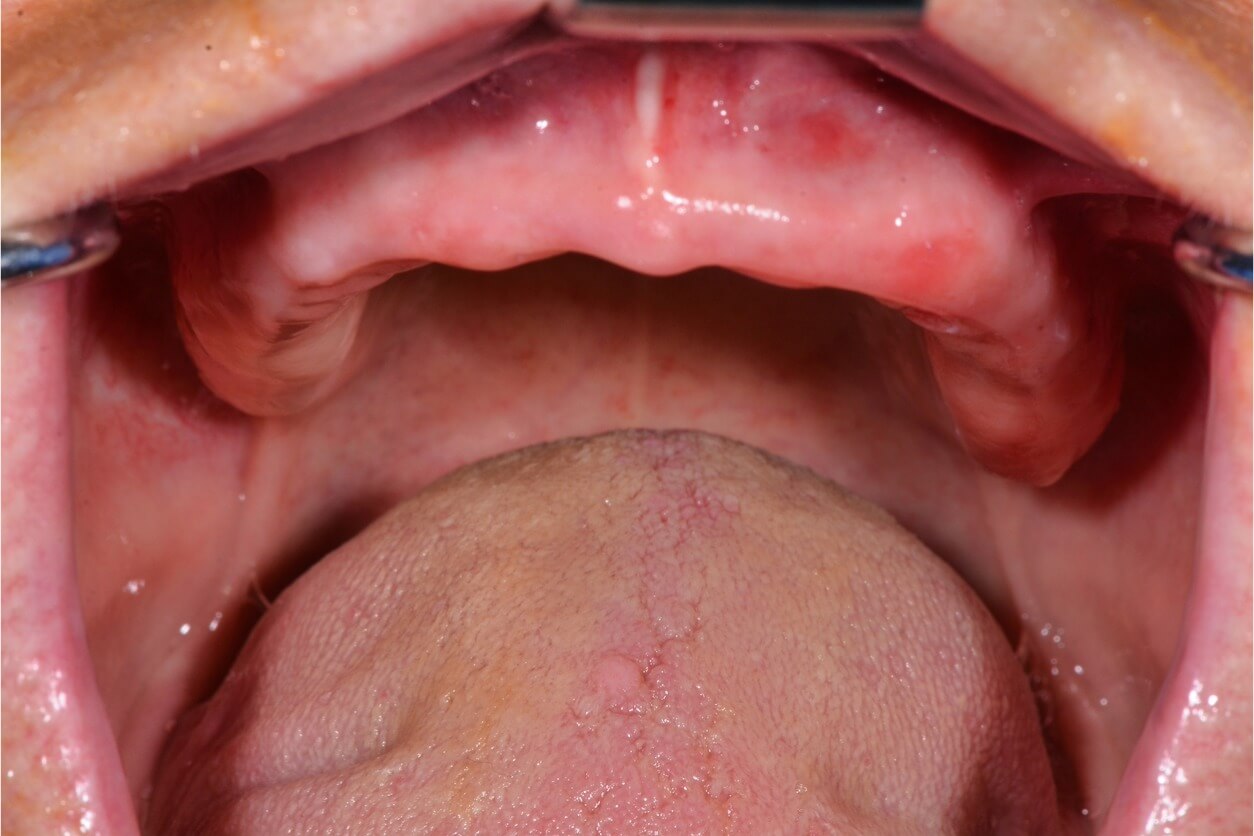
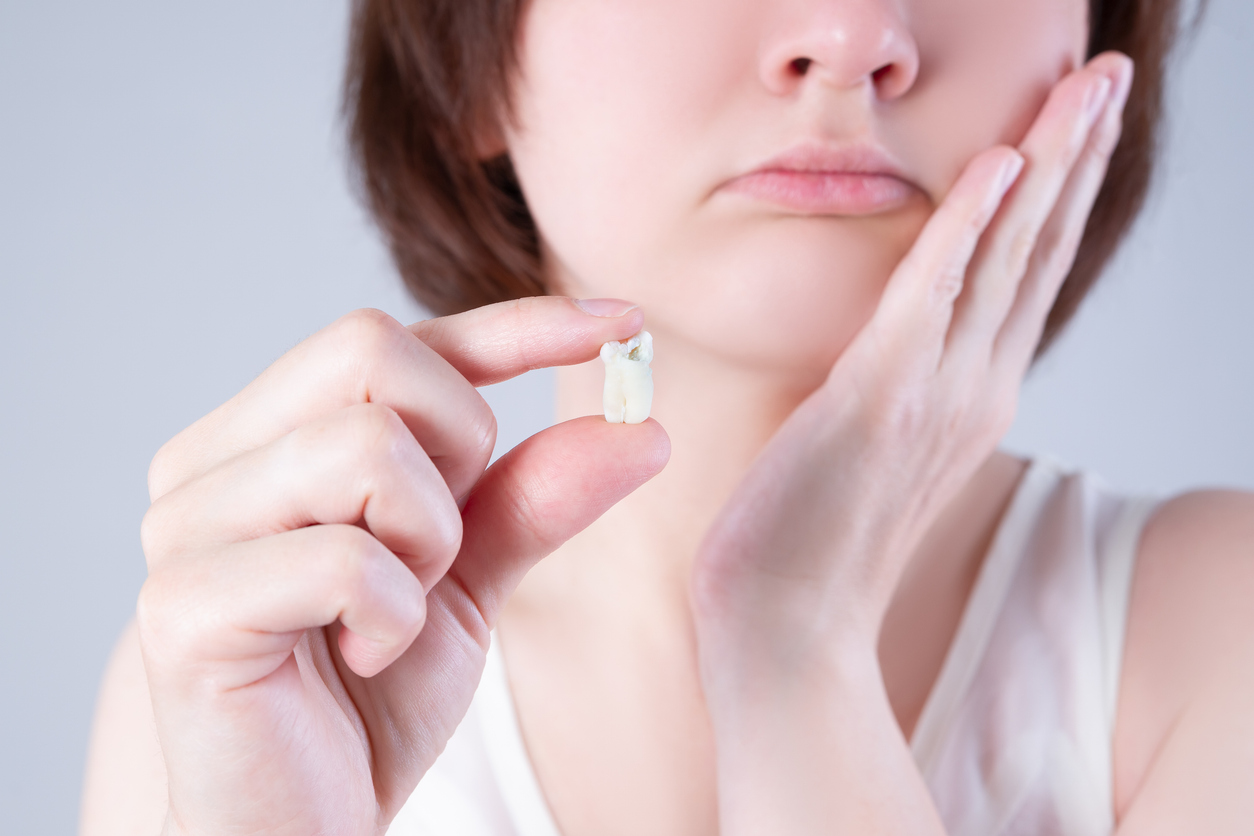
Did you know that while wisdom teeth are often called “third molars,” they typically emerge much later in life, between the ages of 17 and 25? Interestingly, these late arrivals frequently require removal, as they can cause discomfort and complications. Despite the procedure’s routine nature, finding ways to sleep comfortably after wisdom teeth extraction remains a challenge for many.
This guide outlines practical strategies for improving sleep quality during recovery, combining professional advice with straightforward approaches to support the healing process.
Sleep Challenges After Wisdom Teeth Removal
Getting a good night’s sleep after wisdom teeth removal can be a bit tricky, but knowing what to expect and how to handle it can make the recovery process smoother. Here’s a look at the common challenges you might face:
- Pain and discomfort
- Swelling and bleeding
- Anxiety and stress
- Sleep position concerns
- Interrupted sleep patterns
- Dry mouth
- Nasal congestion
- Dietary restrictions
- Medication side
- Jaw stiffness
Knowing these potential issues can help individuals prepare in a way that leads to a more restful and effective recovery period.
How to Prepare for Comfortable Sleep Post-Extraction
Getting a good night’s sleep is essential for overall well-being and productivity. Establishing a sleep routine can significantly enhance the quality of your rest. Here’s how you can create a bedtime practice that promotes tranquility and helps you drift off more effortlessly.
1. Establishing a Sleep Routine
- Consistent Schedule. Set regular sleep and wake times to regulate your body’s internal clock.
- Relaxing Wind-Down. Engage in calming activities, such as reading or listening to soothing music, and avoid screens at least an hour before bed to reduce blue light exposure and prevent stimulation.
- Mental Relaxation Techniques. Practice breathing exercises or meditation to calm the mind and ease anxiety, promoting a more relaxed state conducive to sleep.
2. Arrange a Comfortable Sleeping Area
- Quiet Environment. Ensure your room is quiet and dark; blackout curtains can help block out any distracting light. This helps create a restful atmosphere that is essential for healing and uninterrupted sleep.
- Temperature Control. Maintain a cool, comfortable room temperature, ideally between 60-67°F (15-19°C), to improve sleep quality and assist your body in its natural recovery processes.
- Block Out Noise for Better Sleep. If you live in a noisy environment, consider using white noise machines or earplugs. These can effectively block out disruptive noises, masking background sounds, and promote better sleep.
- Opt for Comfortable Bedding. Choose plush pillows and soft, breathable blankets to enhance comfort and provide the necessary support during recovery. Elevate your head with extra pillows to help reduce swelling and make breathing easier.
3. Adopt an Elevated Sleep Position
- Use Multiple Pillows. Using extra pillows to keep your head elevated can reduce swelling and bleeding while facilitating proper breathing during the night.
- Avoid Sleeping on the Affected Side. Sleeping on the side of the surgery site can exert pressure and potentially disrupt the healing process. Maintain an inclined position on your back to prevent complications.
4. Hydration and Nutrition Before Bed
- Stay Hydrated. Drink plenty of fluids throughout the evening, but avoid caffeine or sugary drinks close to bedtime, as these can interfere with restful sleep.
- Soft Diet. Eat soft foods that are easy to digest and consume. This will reduce discomfort and the risk of disturbing the surgical area while making sure your body has the nutrients it needs for recovery.
By incorporating these strategies, you can create a sleep environment that enhances comfort and supports effective healing after wisdom teeth extraction. Prioritizing quality sleep is a vital component of recovering quickly and comfortably.
Tips for a Comfortable Sleep Environment
Creating a conducive sleep environment is essential for ensuring comfort and supporting recovery after wisdom teeth extraction. Here are some tips to help you set up an ideal sleeping space:
- Choose Loose, Comfortable Sleepwear. Opt for soft, non-restrictive clothing to facilitate ease of movement while sleeping.
- Consider a Reclining Chair. If lying flat is uncomfortable, using a reclining chair can keep our head elevated, minimizing discomfort. If this is not possible, use a wedge pillow to maintain a 45-degree angle.
- Create a Calming Atmosphere With Low Lighting. Dim lights help set a tranquil mood, which aids in falling asleep.
- Maintain a Clean and Inviting Bed. Fresh sheets and pillowcases contribute to quality sleep and promote relaxation and comfort.
Alternative Sleep Positions
Finding a comfortable position may require some trial and error, especially with mouth pain. Consider these options:
- Side Sleeping. If you’re a side sleeper, try sleeping on your non-operative side to avoid contact with the affected area.
- Back Sleeping. Many find sleeping on their backs with head and neck support to be the most comfortable post-surgery.
The Wisdom Tooth Removal Recovery Period
Understanding the typical recovery timeline after wisdom tooth removal can help set expectations and guide you in managing your healing process. Here’s a general overview of the recovery milestones:
| Day | Recovery Milestones |
| Day 1 | Experience initial swelling and some bleeding. |
| Day 2-3 | Swelling peaks then start to subside. |
| Day 4-7 | Gradual reduction of swelling and discomfort. |
| Week 2 | Most swelling and bruising should subside. |
| Week 3-4 | Full recovery for most patients. |
| Month 1-2 | Any residual numbness or sensitivity should disappear. |
If you are still experiencing pain several weeks after your wisdom tooth extraction, it is advisable to consult with your dentist. Prolonged discomfort could be a sign of complications, such as infection or dry socket, which may require professional evaluation and treatment. Don’t hesitate to reach out to your healthcare provider to make sure the healing process is on track and to address any concerns you might have about your recovery.
How to Manage Pain and Discomfort Post-Extraction
Managing pain and discomfort after a wisdom tooth extraction is key to a smooth recovery. Here’s how you can support the healing process and ease any discomfort:
- Follow Prescribed Medication. To manage pain effectively, take any prescribed pain relievers as directed by your dentist or oral surgeon.
- Use Counter Medication. If recommended, use OTC pain medications like ibuprofen to help reduce inflammation and pain.
- Apply Cold Compress. Apply ice packs or cold packs to your cheeks for 15-20 minutes to reduce swelling and numb the area, especially during the first two days post-surgery. This can help ease discomfort while lying down, promoting better sleep.
- Take Adequate Rest. Allowing your body to heal with sufficient rest can naturally reduce discomfort over time.
- Practice Gentle Oral Hygiene. Carefully follow oral care instructions, avoiding vigorous brushing near extraction sites to minimize irritation.
- Maintain a Soft-Food Diet. Stick to easy-to-eat foods that won’t irritate the extraction sites, supporting the healing process without added discomfort.
- Avoid Smoking and Alcohol. Refrain from smoking or consuming alcohol, as these can impede the healing process and exacerbate discomfort.
- Stay Hydrated. Drink plenty of water to aid the healing process and overall comfort. Avoid using straws, as the suction can dislodge the blood clot and increase the risk of dry sockets.
What to Avoid When Sleeping After Wisdom Teeth Removal
Having a proper sleep posture is essential for a speedy and comfortable recovery after wisdom teeth removal. Here are some important things to avoid when sleeping post-extraction:
- Avoid Lying Flat. Refrain from lying flat on your back, as this can increase swelling and discomfort. Instead, maintain an elevated position with extra pillows to aid the healing process while sleeping.
- Avoid Sleeping on the Affected Side. Sleeping on the side where the surgery occurred can exert pressure on the extraction site, potentially disrupting the blood clot. Opt for sleeping on your back or the opposite side to promote healing.
- Avoid Eating Just Before Bed. Refrain from consuming food and beverages close to bedtime to prevent unnecessary irritation of the surgical sites and enhance sleep quality.
- Avoid Staying Up Late. Get plenty of rest to give your body the time it needs to heal itself. Sticking to a regular sleep schedule can greatly support the recovery process.
Commonly Asked Questions
Is It Okay to Sleep on Your Side After Wisdom Teeth Removal?
It is generally recommended to avoid sleeping on your side, especially on the side where the extraction occurred. This position can exert pressure on the surgical site and may disrupt the healing process. Instead, try sleeping on your back with your head elevated to minimize swelling and discomfort.
How Can I Prevent Dry Socket While Sleeping?
To prevent dry socket, maintain an elevated sleeping position to have proper blood flow and reduce the risk of dislodging the blood clot. Avoid using straws and smoking, as these actions can create suction that might disrupt the clot. Follow your dentist’s aftercare instructions closely.
Should I Sleep With Gauze In After Wisdom Teeth Removal?
It is generally advised not to sleep with gauze in your mouth after the first few hours post-surgery. Leaving gauze in overnight can pose a choking hazard. You should remove the gauze once active bleeding has stopped, typically within the first few hours following your procedure. Always follow your dentist’s specific guidance.
Why Does Wisdom Teeth Removal Hurt More at Night?
Pain may feel more pronounced at night due to fewer distractions and the body’s natural decrease in endorphins during the evening. Additionally, lying flat can increase blood flow to the head and intensify discomfort. Taking prescribed pain medication before bed and maintaining an elevated sleeping position can help manage pain more effectively at night.
Seeking Relief From Dental Discomfort? Reach Out to Us Today!
Recovering from wisdom teeth removal requires attentive care and an understanding of how to optimize comfort, especially during sleep. By following the strategies outlined in this guide—ranging from establishing a calming sleep environment to adhering to pain management and aftercare instructions—you can significantly enhance your recovery experience. Sleep is vital for healing, so prioritizing restful nights will help your body return to its full strength.
Looking for expert advice and personalized care for your oral health? Contact Dunedin Family Dentistry! Our dedicated team in Palm Harbor, FL, is here to provide a comfortable and supportive experience for your wisdom tooth extraction and recovery. Schedule a consultation today to see how we can assist with your dental needs and guide you toward a smooth healing process.