According to statistics, teeth whitening is the most popular dental procedure in the U.S., accounting for 32% of treatments. That’s because 99.7% of people see a nice smile as their top social asset.
With your teeth now sparkling, it’s clear why this treatment is so popular. To keep your smile glowing, you’ll want to watch what you eat and drink. Some foods and beverages can dull your newly whitened teeth.
In this article, we’ll explore how teeth whitening works, what to avoid, and tips for maintaining a dazzling smile.
Understanding Teeth Whitening and How It Works
Teeth whitening treatment is a common cosmetic dentistry procedure designed to brighten your smile. Bleaching agents like hydrogen peroxide target and break down stains on your tooth enamel. The result is a whiter appearance, enhancing your confidence with a rejuvenated smile.
Teeth can have two main types of stains:
- Extrinsic Stains: These surface stains result from foods, drinks like tea or coffee, and smoking.
- Intrinsic Stains: These are deeper discolorations caused by factors like medications or trauma, often affecting the dentin under the enamel.
Understanding these helps you choose the best whitening approach for your needs.
Common Teeth Whitening Options
There are several popular ways to whiten your teeth, each with its benefits.
In-Office Whitening
This whitening process provides quick results using professional-grade products. Dentists apply a strong bleaching agent and may use special lights to enhance the process. It’s a great option if you want fast and noticeable brightness.
At-Home Whitening Kits
These kits offer convenience, allowing you to whiten your teeth at your own pace. They typically include trays or strips with a milder bleaching agent. While effective, they may take longer to show results compared to in-office treatments.
Over-the-Counter Products
These products include whitening toothpaste, strips, and gels. They are available at most drugstores and offer ease of use and affordability, but they may require more time to achieve the desired brightness.
Natural Remedies
Some people use natural methods, like baking soda or activated charcoal. However, results can vary, and these options may not be as reliable as professional treatments. It’s always best to consult a dentist before trying these at home.
Why Avoid Certain Foods Post-Whitening?
After whitening, your teeth become more porous and sensitive. Here’s why it’s important to avoid certain foods and drinks:
- Porous Teeth: During whitening, the enamel’s mineral structure is temporarily altered, allowing bleaching agents to penetrate—this also leaves enamel more susceptible to staining until it rehydrates and remineralizes.
- Sensitive Teeth: Post-whitening, your teeth might be more sensitive to temperature and texture. This can cause discomfort when enjoying hot, cold, or acidic items.
What Foods to Avoid After Teeth Whitening
To maintain your white smile, it’s important to steer clear of these foods and drinks:
Dark-Colored Beverages
Certain beverages contain rich pigments that can settle into your enamel’s micro-openings, leading to a dulled smile. Additionally, acidic drinks can cause both staining and enamel erosion. To protect your smile, be mindful of the following dark-colored beverages:
- Coffee
- Green or black tea
- Red wine
- Grape juice
- Cranberry juice
- Colas
- Sports drinks
Acidic Foods
Fruits and vegetables high in acidity can irritate sensitive teeth and erode enamel, increasing the risk of staining and discomfort. Be cautious with the following:
- Citrus fruits
- Grapefruits
- Oranges
- Lemons
- Tomatoes
Dark-Colored Sauces
Certain sauces have intense colors that can cling to your teeth, potentially reversing the whitening effects. Consider opting for lighter alternatives to avoid this issue. Be mindful of these sauces:
- Soy sauce
- Tomato sauce
- Green pesto
- Balsamic vinegar
Sugary and Sticky Foods
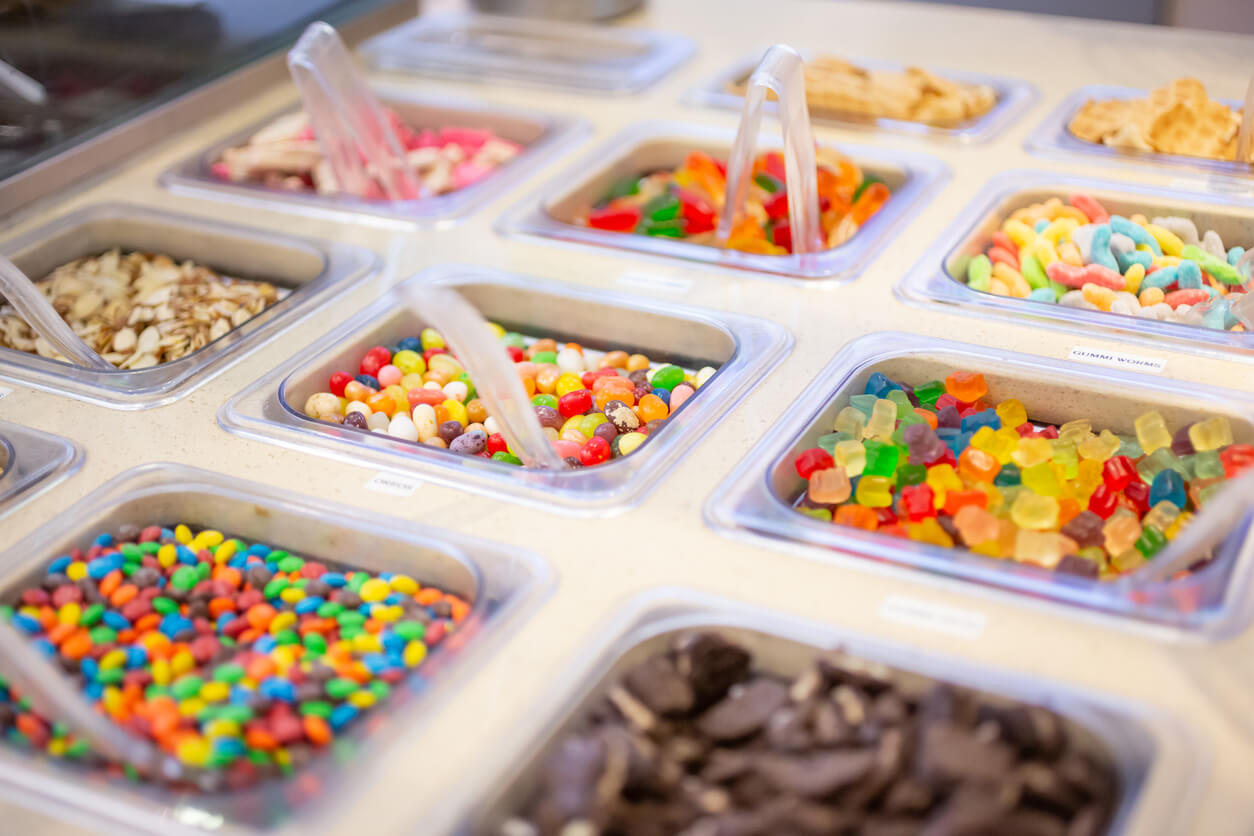
Sugary treats can cling to your teeth and lead to decay, impacting both their shine and health. The sugar content can also exacerbate enamel erosion and lead to discoloration. Keep an eye on these items:
- Candies
- Chocolates
Dark Fruits
Dark fruits, while nutritious, contain strong pigments that can lead to staining if consumed in large quantities. Pay attention to these fruits:
- Blueberries
- Blackberries
- Dark grapes
Foods and Drinks That You Can Eat After Teeth Whitening
To help maintain your bright smile, focus on incorporating these beneficial options into your diet:
Water
Hydration is vital for oral health. Consuming water regularly helps rinse away food particles and reduces the risk of stains. It’s gentle on sensitive teeth and supports enamel protection by washing away acids.
White Cheese
A favorite among dairy options, white cheese is loaded with calcium and phosphate, which strengthen teeth. Eating cheese can also increase saliva production, helping to neutralize oral acids and protect enamel from erosion.
Plain Yogurt
Opt for sugar-free, plain white yogurt, as it’s rich in calcium and probiotics. These nutrients support healthy teeth and gums, maintaining a balanced mouth environment. Probiotics can also help reduce bad bacteria that contribute to tooth decay.
Apples and Pears
Due to their fibrous textures, these crunchy fruits serve as natural toothbrushes. Eating them stimulates saliva production, which helps scrub teeth and remove food particles. Their mild acidity also aids in cleaning without harming enamel.
Leafy Greens
Vegetables like spinach, kale, and Swiss chard are excellent for oral health. They’re packed with vitamins and minerals, such as calcium, that contribute to stronger teeth and healthier gums. Their low acidity levels make them safe for sensitive teeth post-whitening.
White Diet
Eat foods and drinks like white fish, egg whites, white bread, white sauce, and white wine that have minimal color. White fish provides protein without the risk of staining, while a moderate amount of white wine is less likely to discolor your teeth compared to red wine.
Everyday Habits to Preserve Your Whitened Teeth
To keep your smile shining bright, it’s essential to adopt habits that promote better oral health:
Oral Hygiene Routine
Brushing twice a day and flossing once a day should be made a priority. Use a soft-bristled toothbrush with whitening toothpaste to gently clean your teeth. This helps remove surface stains and protects your enamel from damage.
Regular Dental Visits
Schedule regular dental cleanings at your dentist’s office. These appointments enhance your whitening results by removing plaque and tartar buildup. They also allow your dentist to spot any potential oral health issues early, helping maintain your overall oral well-being.
Lifestyle Adjustments
Smoking and frequent coffee consumption can significantly stain teeth over time. Reducing these habits can help keep teeth looking their best.
Use a Straw
When drinking beverages known to stain, like coffee or colored drinks, use a straw. This simple change minimizes contact with your teeth, helping to prevent discoloration.
Frequently Asked Questions
Are you looking into teeth whitening? Here are answers to the usual questions to help you out:
How Long Does the Whitening Procedure Last?
The longevity of a whitening procedure varies, but it can last several months, depending on your lifestyle and oral care habits. Drinking lots of water, avoiding dark foods, and attending regular cleanings can prolong the effects. Consider regular touch-ups to maintain that desired brightness.
Are There Any Side Effects from Teeth Whitening?
After a whitening session, some patients might notice temporary tooth sensitivity or slight gum irritation. These side effects are usually short-lived and resolve within a few days. If you have concerns, discuss them with your dentist for guidance.
Does Insurance Cover Teeth Whitening?
Typically, teeth whitening is classified as an aesthetic procedure, so most insurance plans don’t cover it. Check your specific plan details or consult with your provider for available coverage options.
How Often Can I Whiten My Teeth?
Professional whitening is generally safe once or twice a year. Overdoing it can lead to enamel damage or increased sensitivity. Your dentist can offer personalized advice tailored to your overall oral health.
Keep Your Smile Bright With Dunedin Family Dentistry’s Care
You’ve worked hard to achieve a dazzling smile, and you can keep it that way by making smart food choices and practicing good oral care. Knowing what to avoid after teeth whitening is key to maintaining your radiant smile.
At Dunedin Family Dentistry, we offer personalized guidance to fit your needs. Whether you’re looking for tips or need a check-up, we’re ready to support you on your journey to a lasting smile. Book a consultation with us today and let our expert team provide you with the care and advice you deserve.