How Long Can You Leave a Cavity Untreated? Risks & Consequences
The World Health Organization reports that around 3.7 billion people worldwide face oral health problems, with untreated cavities in adult teeth being the most common issue.
So, when you notice a cavity, delaying treatment can do more than cause tooth pain. It can impact your overall dental health. Ignoring cavities can lead to bigger issues, turning a simple fix into a complicated procedure.
Let’s explore what cavities are, why quick treatment is important, and how you can keep your smile bright and healthy.
What Is a Cavity?
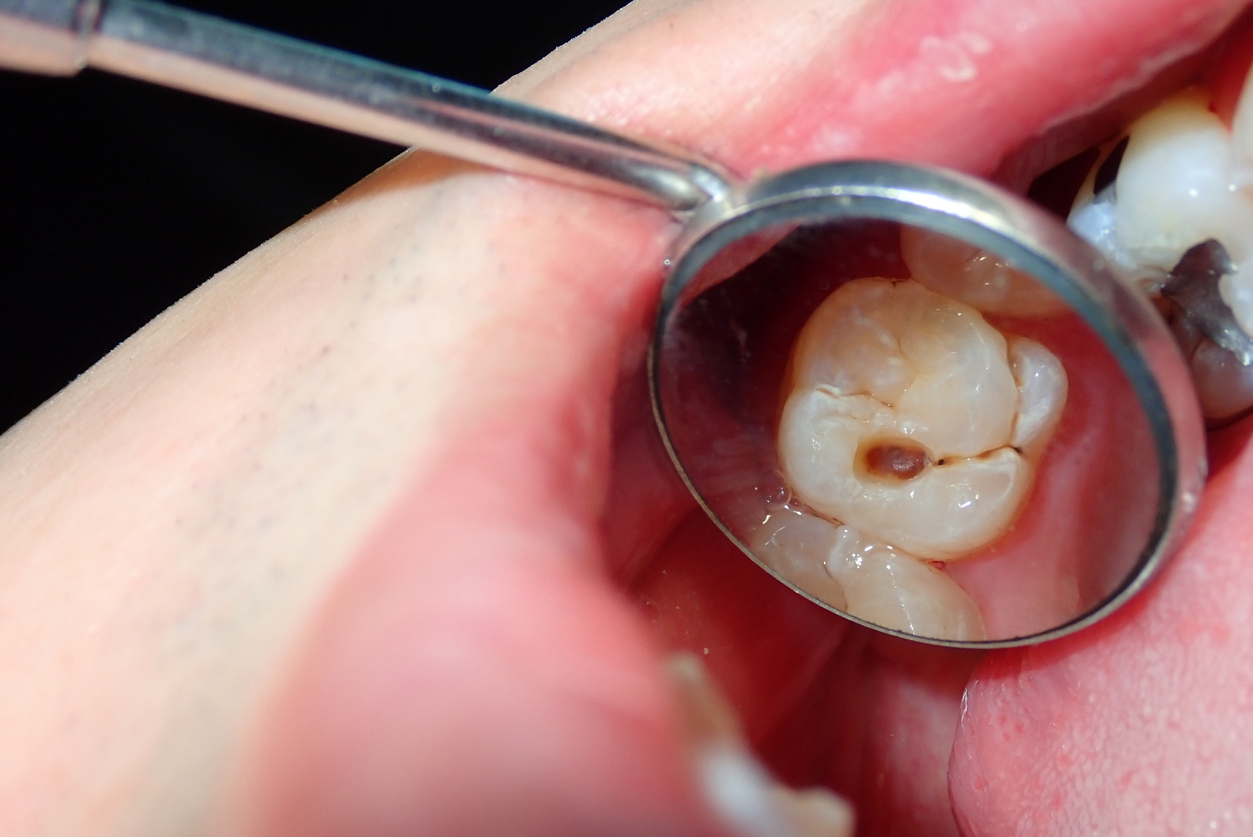
Tooth cavities, or small holes in your teeth, form due to tooth decay. This happens when dental plaque, a sticky layer of harmful bacteria, comes into contact with sugary foods you eat. This interaction produces acid that starts to wear down the tooth enamel, the hard outer layer of your teeth.
How Long Can a Cavity Go Untreated?
A cavity should be treated as soon as possible to avoid complications. If you notice the first signs, like tooth sensitivity, it’s important to see a dentist promptly.
Understanding the timeline for untreated cavities helps highlight the urgency of early intervention.
| Stage | Timeline | What to Expect |
| Mild | Few weeks | Initially, you may experience mild tooth sensitivity. This discomfort is often noticeable when eating hot, cold, or sweet foods. It might seem manageable, but it’s a sign that decay is starting to take hold. |
| Moderate | Several months | As the months pass, the decay worsens. Pain becomes more frequent, especially during chewing. The tooth structure begins to weaken, increasing the risk of damage. Infections might start developing, causing noticeable discomfort and swelling in the gums. |
| Severe | Over a year | Leaving a cavity untreated for years can lead to severe consequences. Pain can become constant and debilitating, possibly affecting daily activities. The chance of developing a tooth abscess, a painful, pus-filled infection, increases significantly. Advanced decay might result in tooth loss or necessitate complex procedures like root canal therapy or even tooth extraction. |
Factors that Influence Cavity Progression
A cavity can develop and worsen quickly due to various factors. Here are some that can influence the progression:
Oral Hygiene Habits
Regular brushing and flossing play an essential role in removing plaque and food particles, slowing down decay. Conversely, neglecting oral hygiene allows bacteria to thrive, accelerating cavity formation. Maintaining consistent dental care habits can significantly impact cavity progression.
Diet and Sugary Foods
Frequent consumption of starchy and sugary foods provides a constant fuel source for bacteria, which produce harmful acids that erode tooth enamel. By reducing sugary snacks and drinks, you can lower the risk of cavity growth and protect your teeth from further damage.
Saliva Production
Saliva naturally cleanses the mouth, neutralizing acids and providing essential minerals to strengthen teeth. Conditions causing reduced saliva production, such as dry mouth, can increase cavity risk. Staying hydrated and addressing underlying health issues can help maintain healthy saliva levels.
Genetics
Genetic factors can influence tooth structure and enamel strength, affecting susceptibility to decay. A family history of dental issues might indicate a higher risk for cavities. Understanding your genetic predispositions can help tailor preventive measures to suit your needs.
Use of Fluoride
Fluoride plays a role in strengthening tooth enamel and preventing decay. Regular use of fluoride toothpaste, along with professional treatments from your dentist, offers added protection against cavities. Incorporating fluoride into your dental routine can be a simple yet effective preventive step.
Dental Health Maintenance
Regular dental checks play a vital role in identifying cavities early and enabling timely treatment. Professional cleanings help remove plaque buildup that brushing alone might not address. Staying proactive with dental visits helps keep cavity progression in check.
Lifestyle Factors
Lifestyle choices, such as smoking, can weaken teeth and gums, contributing to faster cavity progression. A nutritious and balanced diet full of minerals and vitamins boosts oral health. Embracing healthy habits can greatly improve your dental well-being.
The Risks of Leaving a Cavity Untreated
Not addresssing a cavity can lead to a variety of dental and health issues. Knowing how long leaving a cavity untreated causes risks can help you address problems early.
Severe Tooth Pain
Leaving a cavity untreated often leads to intense and persistent toothaches. This pain can become a significant disruption in daily life, making it hard to concentrate, enjoy meals, or get a good night’s rest. Addressing the pain early on can prevent it from becoming a more serious issue.
Gum Disease
Decay can spread to your gums, causing inflammation and increasing the risk of gum disease. If not managed, this condition can escalate to periodontal disease, which affects overall oral health.
Visible Tooth Damage
Cavities can cause noticeable holes or dark spots on your teeth, impacting your smile’s appearance. As decay progresses, it weakens the tooth structure, making teeth more prone to cracks and breaks.
Tooth Abscesses and Infections
Bacterial infections can lead to painful abscesses, which often require urgent care. These infections can spread from the tooth root to other parts of the body, leading to broader health concerns.
Tooth Structure Loss
Advanced decay can cause significant damage to your teeth, possibly compromising their integrity. The decay might also harm surrounding blood vessels and tissue, affecting dental function.
Higher Financial Costs
Delaying treatment typically results in more extensive and expensive procedures, such as extractions or root canals. Opting for early intervention with simple fillings is more cost-effective and less invasive compared to dealing with advanced decay.
Impacts on Daily Life
Cavity-related pain can interfere with essential activities like eating and speaking. The constant discomfort might also affect sleep quality and overall well-being. Addressing cavities early helps maintain comfort and quality of life.
How Are Cavities Treated?
Cavities can be addressed through various treatments, depending on their severity. Here’s how dentists tackle these issues:
Fillings for Minor Cavities
Fillings are the most common treatment for early-stage cavities. Dentists clean out the decayed component of the tooth and fill it with a resin or material like composite which matches the natural tooth color. This process restores the tooth’s function and appearance, preventing further decay and preserving the tooth structure.
Root Canals for Advanced Decay
If decay reaches the tooth’s inner layers and affects the dental pulp, a root canal may be necessary. This involves taking out the infected pulp, cleaning inside the tooth, and sealing it to stop further infections. Root canals can preserve or save a tooth that might otherwise require extraction, restoring its function and relieving pain.
Crowns for Structural Support
When a significant portion of a tooth is damaged, a crown may be recommended. After cleaning out the decay, the dentist places a cap over the remaining tooth structure. Crowns provide strength and protection, especially for teeth that have large fillings or have undergone root canals.
Tooth Extraction for Severe Cases
In cases where the decay is too extensive and compromises the tooth’s integrity, extraction may be the only solution. Removing the affected tooth helps prevent the spread of infection to surrounding teeth and tissue. After extraction, options like implants or bridges can bring back the function and appearance of the lost tooth.
How to Prevent Cavities
Adopting consistent oral care habits and making informed lifestyle choices can effectively prevent cavities.
- Brush Regularly: Brush your teeth at least twice a day with fluoride toothpaste. Spend a full two minutes to ensure thorough cleaning of all surfaces.
- Floss Daily: Flossing clears away food particles and plaque between teeth that brushing misses. This prevents gum disease and cavities in hard-to-reach areas.
- Use Fluoride: Fluoride gives strength to the tooth enamel and prevents decay. Consider professional fluoride treatments for added protection if you’re prone to cavities.
- Regular Dental Checkups: Schedule visits twice a year for cleanings and exams. Regular checkups catch early signs of cavities and other dental issues.
- Healthy Diet Choices: Cut back on sugary snacks and drinks. Add crunchy vegetables and fruits to your diet to boost saliva production and naturally clean your teeth.
- Stay Hydrated: Consume enough water to wash away food debris and reduce dry mouth. Water also helps neutralize acids produced by gut bacteria.
- Avoid Tobacco Products: Avoid using tobacco or smoking, as it weakens teeth and gums and increases the risk of oral health issues.
- Consider Dental Sealants: Dental sealants protect the chewing surfaces of back teeth from decay and are beneficial for children and those prone to cavities.
Secure Your Smile: Trust Us With Your Dental Care Today!
Don’t let a small cavity turn into severe tooth pain. Regular dental checkups can save you from discomfort and expensive treatments. At Dunedin Family Dentistry, we’re here to help with everything from routine cleanings to tackling specific dental concerns.
Taking action now sets you on the path to a healthier smile. Book a consultation today and take the first step towards better dental health. Enjoy peace of mind knowing you’re in expert hands.