Living with missing teeth can make even simple daily activities like eating, speaking, or smiling feel challenging and affect your confidence. You might worry about how tooth loss affects your appearance, confidence, or oral health. Dental implants provide a stable solution for replacing missing teeth that function and feel like natural teeth. Removable dentures, including partial dentures and traditional dentures, are alternatives, but they sit on top of your gums and may shift while eating or speaking.
When considering dental implants vs dentures, it’s helpful to understand how each option works and which fits your lifestyle. This article explains why many patients prefer dental implants over removable prosthetic devices for a long-term, functional smile.
What Are Dental Implants? How Do They Work?
Implants are surgically placed implants that act as new tooth roots, supporting replacement teeth. These titanium posts are embedded directly into the jawbone through a precise implant surgery or dental implant procedure. Over time, the surrounding bone grows around the posts, preventing jawbone deterioration and bone loss, creating a firm and stable base for the final tooth replacement.
Once healing is complete, a crown, bridge, or full mouth of dental implants is attached, providing a fix that looks and functions like natural teeth. This approach preserves jaw structure, supports facial muscles, and maintains long-term oral health, making it a preferred option for many patients.
What Are Removable Dentures? How Do They Function?
Removable dentures, such as partial, conventional, and complete types, are prosthetic devices designed to sit on the gums. They replace a few or all missing teeth based on your needs. Immediate dentures are fitted right after tooth extraction, while others may require adjustments.
Dentures can restore chewing ability and improve speech, but they might slip without adhesive. Snap-in or implant-supported dentures offer more stability but may not feel as natural as surgically implanted dental implants.
Dental Implants vs Removable Dentures: Reasons to Choose Dental Implants
When deciding between dentures vs dental implants, many people wonder: “Are dental implants better than dentures?” The answer often depends on your lifestyle, oral health, and long-term goals. Here are 10 reasons why dental implants may be the better choice:
1. Stability and Comfort
Implants are placed into your jawbone, where they function like natural tooth roots. This secure placement keeps them stable so they do not move while you eat or speak. In contrast, dentures rest on top of your gums and can shift, often requiring adhesives that may feel messy or uncomfortable.
2. Jawbone Health
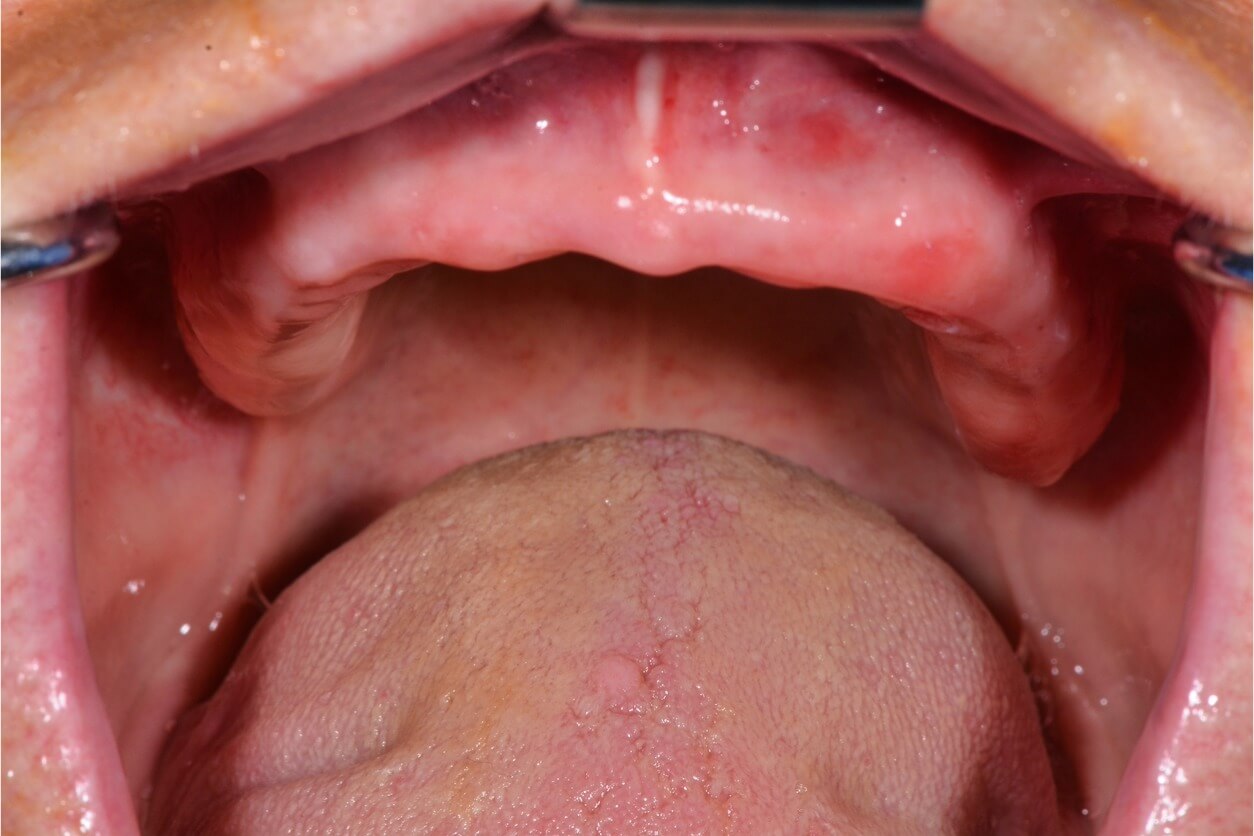
Dental implants stimulate the jawbone as you chew, helping prevent bone loss and keeping your jaw strong. By supporting your jawbone, implants help maintain your facial shape and prevent the sunken appearance that can result from missing teeth. Dentures do not provide this stimulation, so bone loss may occur over time, altering the shape of your face.
3. Natural Look and Feel
The size, shape, and color of dental implants are designed to look like your natural teeth, creating a seamless and natural-looking smile. They feel like real teeth and help you regain confidence in social interactions. Dentures, while functional, can sometimes look bulky or artificial, especially if not fitted perfectly, leaving some people feeling self-conscious.
4. Better Chewing and Eating
With implants, you can bite and chew nearly any food comfortably, including hard, sticky, or crunchy items. This allows you to enjoy meals fully without restriction. Dentures can make chewing certain foods difficult and reduce overall chewing efficiency, which may limit your diet and enjoyment of meals.
5. Improved Speech
Dental implants stay firmly in place, which helps you speak clearly and confidently. There’s no fear of shifting teeth affecting your pronunciation. Dentures, on the other hand, may slip or click while speaking, making some words harder to pronounce and requiring adjustment over time.
6. Easy Maintenance
Caring for dental implants is simple. You floss, brush, and visit your dentist for regular checkups, just like natural teeth. Dentures require soaking overnight, cleaning with special solutions, and careful handling to avoid damage.
7. No Adhesives Needed
Dental implants are secured in your jawbone, so they don’t need pastes or gels to stay in place. This makes everyday life simpler, cleaner, and more comfortable. Dentures often rely on adhesives to improve stability, which can be inconvenient and messy.
8. Preserves Facial Structure
Dental implants keep the jawbone strong, helping to preserve your natural facial shape. This prevents the sagging or sunken look that can develop over time when teeth are missing. In contrast, dentures do not provide this support and may lead to gradual changes in facial structure.
9. Durability and Longevity
When cared for and used properly, implants can last for years, providing a long-term fix for missing teeth. Dentures often need replacement or adjustment every few years. Implants can save time, money, and repeated adjustments over the long term.
10. Boosted Confidence
Because implants look, feel, and function like natural teeth, they can greatly improve your confidence. You can speak, smile, and eat without worrying about your teeth shifting. Dentures, while helpful, may feel less secure and cause some people to feel self-conscious in social or professional situations.
Considerations Before Choosing Implants
Now that you understand the difference between dental implants and dentures, you can choose the option that fits your needs best. Making the right choice depends on several factors:
- Bone and Gum Health: Implants require healthy gums and a strong jawbone. If the bone is weak, bone grafting may be needed. Dentures do not require surgery or strong bone, making them an option for patients with bone loss.
- Cost Effectiveness: Implants cost more upfront but can save money over time because they last longer and require fewer replacements. Dentures are less expensive initially but may need regular adjustments, relines, or replacement sets.
- Time Commitment: Implants involve multiple visits for surgery, healing, and placement of the final tooth. The process can take several months, depending on your healing. Dentures can be made and fitted much faster for immediate tooth replacement.
- Overall Health: Your medical conditions can affect implant success and healing. Patients with uncontrolled diabetes, certain bone or heart conditions, or smoking habits may be better suited for dentures, which do not require surgery.
- Consult with a Dentist: A dentist can evaluate your oral health, bone structure, and overall medical condition. They can help you understand which option is safest and most suitable for your lifestyle and long-term oral health.
- Personal Goals and Preferences: Consider what matters most to you. Comfort, convenience, appearance, and long-term oral health should guide your choice between implants and dentures.
Reimagine What Your Smile Can Be: Book Your Appointment Now!
Dental implants are a strong, long-lasting way to replace missing teeth. They help keep your jaw healthy, make chewing easier, and maintain the natural shape of your face. Whether you are considering implant-supported dentures, full dentures, or a single replacement tooth, implants have benefits that removable options cannot provide.
At Dunedin Family Dentistry, we can help you choose the best option for your teeth. Book an appointment today and start enjoying a comfortable, natural, and confident smile.