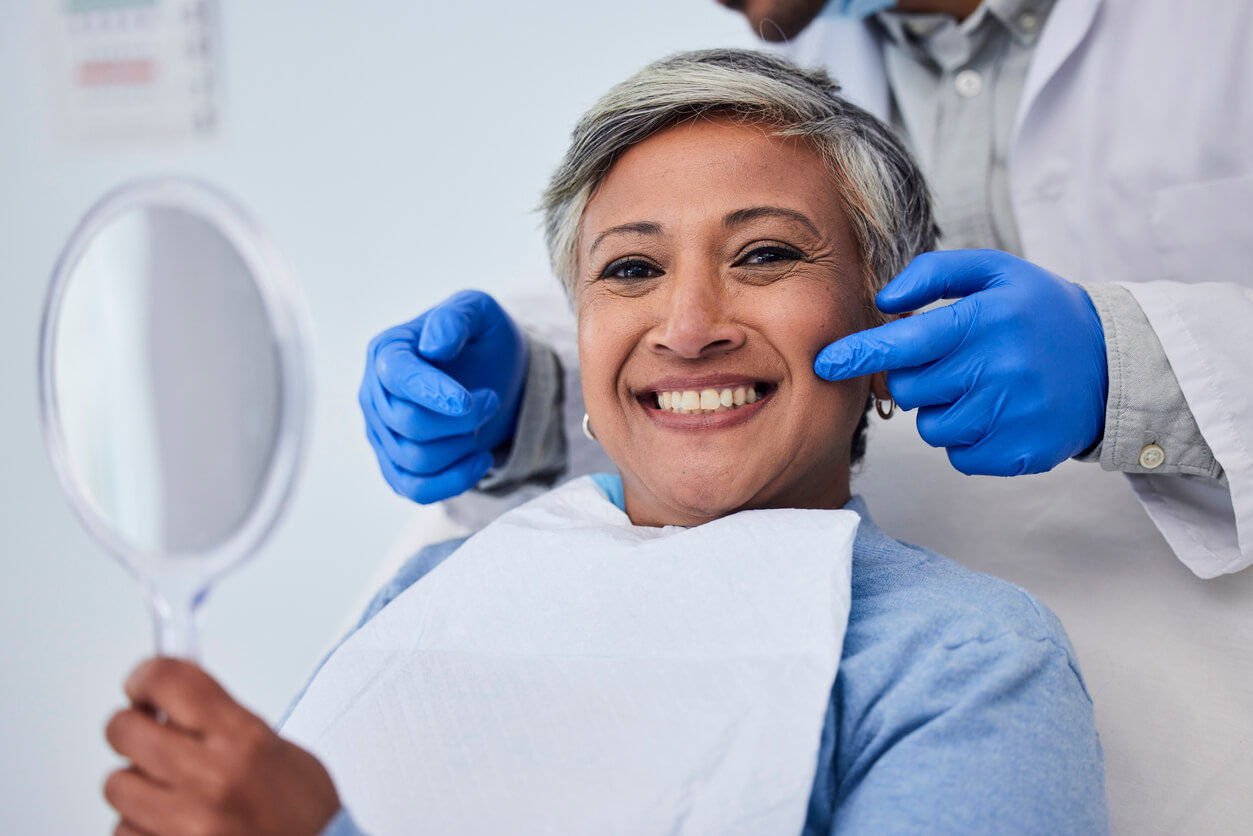
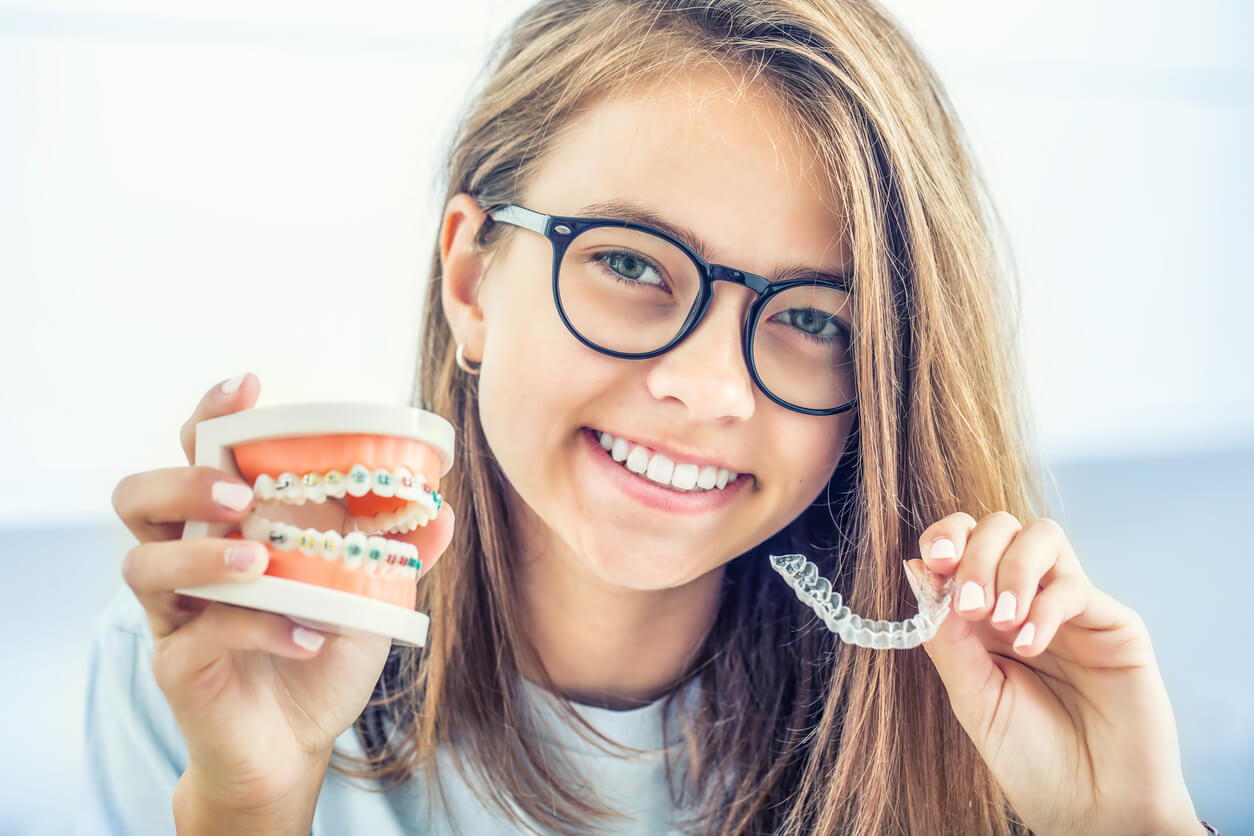
Transforming your teeth is about more than just achieving a great smile; it can enhance your entire face and boost your confidence. A qualitative study of 22 adults found that people choose braces or aligners to improve self-image, social life, or dental health. These choices often depend on appearance and comfort. Understanding this helps dentists provide better care.
Whether you’re considering traditional braces or nearly invisible Invisalign aligners, it’s important to know their impact on your appearance and daily life. Let’s explore how these orthodontic options can perfectly fit your needs and enhance your overall look.
How Teeth Straightening Can Change Your Facial Appearance
Straightening teeth can do wonders for your facial appearance. Here’s how:
- Redefines Jawlines: Proper alignment can create a more defined jawline, giving your profile a sharper, more attractive look.
- Balances Facial Symmetry: By aligning your teeth, these treatments help balance your face, making it look more symmetrical and harmonious.
- Enhances Aesthetics: Improved dental alignment can bring out the best in your facial features, boosting your overall appearance.
- Boosts Confidence: Straighter teeth can lead to increased self-esteem, as you’ll feel more confident in your enhanced look.
- Affects Facial Shape: Over time, the gentle pressure used in orthodontic treatment options like braces and Invisalign gradually moves teeth into place, subtly shaping your face.
What Are Orthodontic Treatments?
Orthodontic treatments aim to align teeth and correct jaw issues, enhancing oral health and aesthetics. They tackle issues like crooked teeth, overcrowding, gaps, and irregular bites by using gentle, continuous pressure to gradually align teeth.
What Are Braces and How Do They Work?
Braces are dental devices used to address misaligned teeth and jaw issues, enhancing both function and appearance. Here’s how they work:
- Traditional Braces: These consist of brackets made of metal attached to each tooth, connected by wires. Rubber bands may be used to help adjust the alignment of your teeth and jaw. Regular adjustments by an orthodontist guide your teeth into position over time. Conventional braces are particularly effective for severe cases and complex orthodontic needs.
- Ceramic Braces: Ceramic braces, crafted from tooth-colored materials, present a less visible alternative to metal braces. They work similarly but offer a more discreet look.
- Lingual Braces: Positioned behind the teeth, lingual braces are hidden from view, offering complete invisibility. While effective, their placement close to the tongue may cause mild discomfort.
Braces treatment works by applying continuous pressure to the teeth, gradually guiding them into the desired alignment. This process not only improves your smile but also helps with oral health by correcting bite issues and making cleaning easier. Regular visits to a trusted orthodontist are needed to adjust the braces and monitor progress.
What Is Invisalign and How Does It Work?
Invisalign uses clear, removable trays to gently guide teeth into their correct position, offering a modern orthodontic solution. Made from smooth, comfortable plastic, these virtually invisible aligners are ideal for adults seeking a discreet option. They are designed to be worn most of the day, but can be removed for eating and cleaning.
The clear Invisalign process starts with a digital scan of your teeth, creating a personalized treatment plan. You’ll get a series of aligners, each slightly different, switched out every one to two weeks. These apply gentle pressure to gradually move your teeth.
Invisalign vs. Braces: Aesthetics During Treatment
When considering orthodontic treatment, aesthetics play a significant role in the decision-making process. Here’s a look at how Invisalign and traditional braces compare in terms of appearance and social comfort:
| Feature | Invisalign Clear Aligners | Traditional Metal Braces |
| Visibility | Virtually invisible, made from clear plastic, providing a discreet look in social and professional settings. | Their metal brackets and wires make them highly visible. |
| Social Comfort | Subtle and go unnoticed, boosting confidence during interactions. | Noticeable presence, which might make some feel self-conscious. |
| Removability for Events | Can be removed for special occasions, photos, or important meetings. | Remain fixed, visible at all times. |
| Impact on Appearance | Minimal impact, allowing natural smile to show. | Metal components can alter the look of a smile. |
Braces vs. Invisalign: Long-Term Effects on Your Face
When choosing between Invisalign and traditional braces, it’s important to consider how each option impacts your long-term facial appearance. Here’s a comparison of their effects on enhancing your smile and improving overall facial harmony:
| Aspect | Invisalign Clear Aligners | Traditional Metal Braces |
| Improvement in Smile | Gradually straightens teeth for a natural, appealing smile. | Effectively aligns teeth for a well-structured smile. |
| Facial Symmetry | Helps balance facial features by aligning teeth properly. | Corrects jaw alignment and enhances facial symmetry. |
| Crowding and Spacing | Addresses mild to moderate crowding and spacing issues. | Effective for severe crowding and complex spacing issues. |
| Jaw Alignment | Provides subtle improvements in jaw and bite alignment. | Can significantly adjust jaw positioning if needed. |
| Gum Health | Reduces gum irritation by aligning teeth gently. | It helps reduce gum issues by correcting bites and aligning them. |
Other Factors to Consider When Choosing The Right Orthodontic Treatment
Beyond aesthetics and alignment, there are several key factors to weigh when deciding between braces and Invisalign. Here are some important considerations to help guide your choice:
Maintenance
Invisalign requires diligently cleaning your aligners daily. This involves rinsing them and brushing gently to prevent bacterial buildup. On the other hand, braces require meticulous brushing and flossing around wires and brackets to maintain oral hygiene and prevent cavities or stains.
Dietary Restrictions
One of the advantages of Invisalign is the freedom to eat what you like, as aligners are removable. You can enjoy sticky, crunchy, or hard foods without worry. In contrast, braces may require you to avoid certain foods that could damage brackets or dislodge wires, such as popcorn, nuts, and chewy candies.
Duration
The treatment time can vary significantly between the two options. While both aim to correct dental issues efficiently, complex cases, especially those involving major bite correction, might take longer with braces. Invisalign may offer a quicker adjustment period for less severe cases, making it appealing for those seeking shorter treatment times.
Cost
While Invisalign usually costs more than traditional braces, many dental insurance plans cover both options. Additionally, monthly payment plans can help make either choice more budget-friendly. It’s important to consider the financial aspect and look into insurance benefits and payment options.
Lifestyle
Invisalign is particularly suited for individuals seeking a subtle, low-profile appearance in social or professional environments. The clear aligners are discreet, which can boost confidence during the treatment period. Braces, while more noticeable, are highly effective across all age groups, especially for those with more complex orthodontic needs.
Redefine Your Smile, Redefine Yourself: Book Your Consultation With Us Today!
Do you want to improve your smile and feel more confident? At Dunedin Family Dentistry, we specialize in creating personalized treatment plans with options like braces and Invisalign to fit your needs. Our team is here to guide you through every step, answer your questions and tailor solutions just for you.
Book a consultation with us, and let’s work together to achieve a smile that makes you feel great.