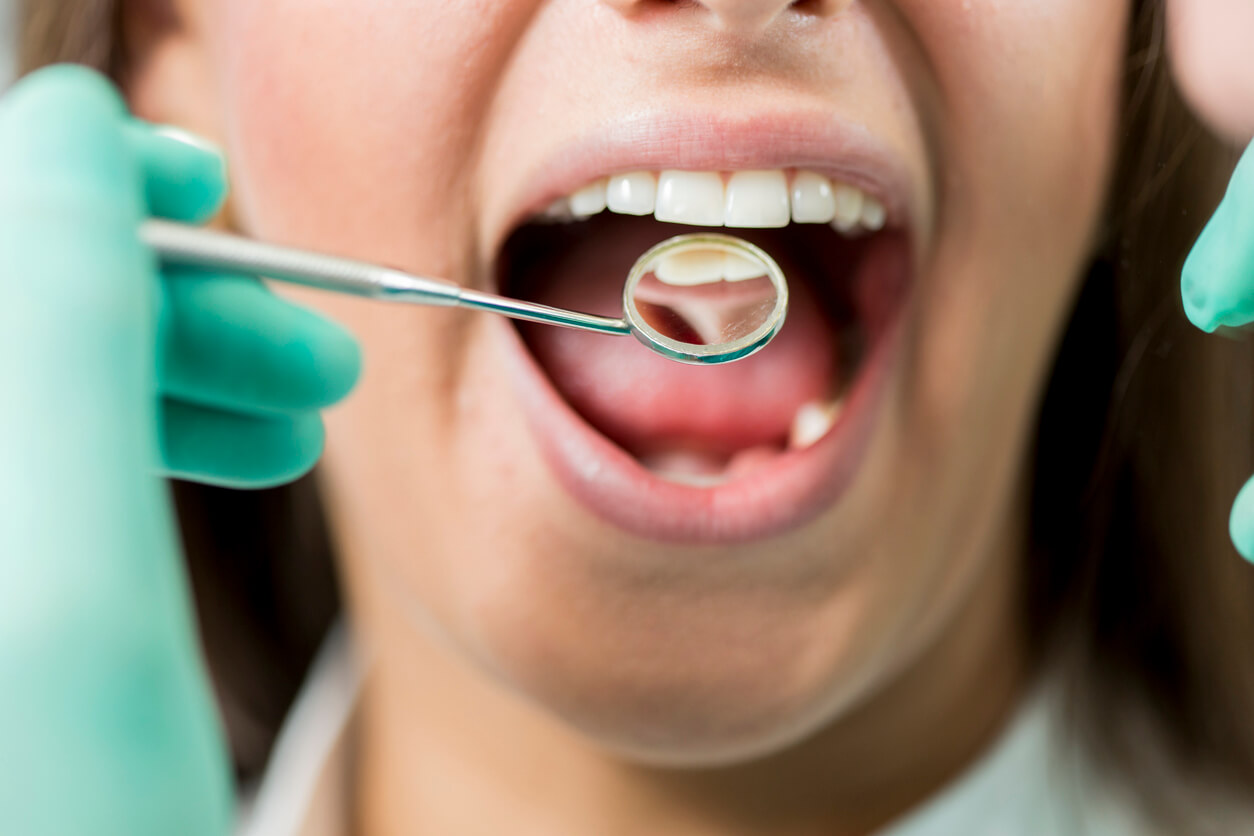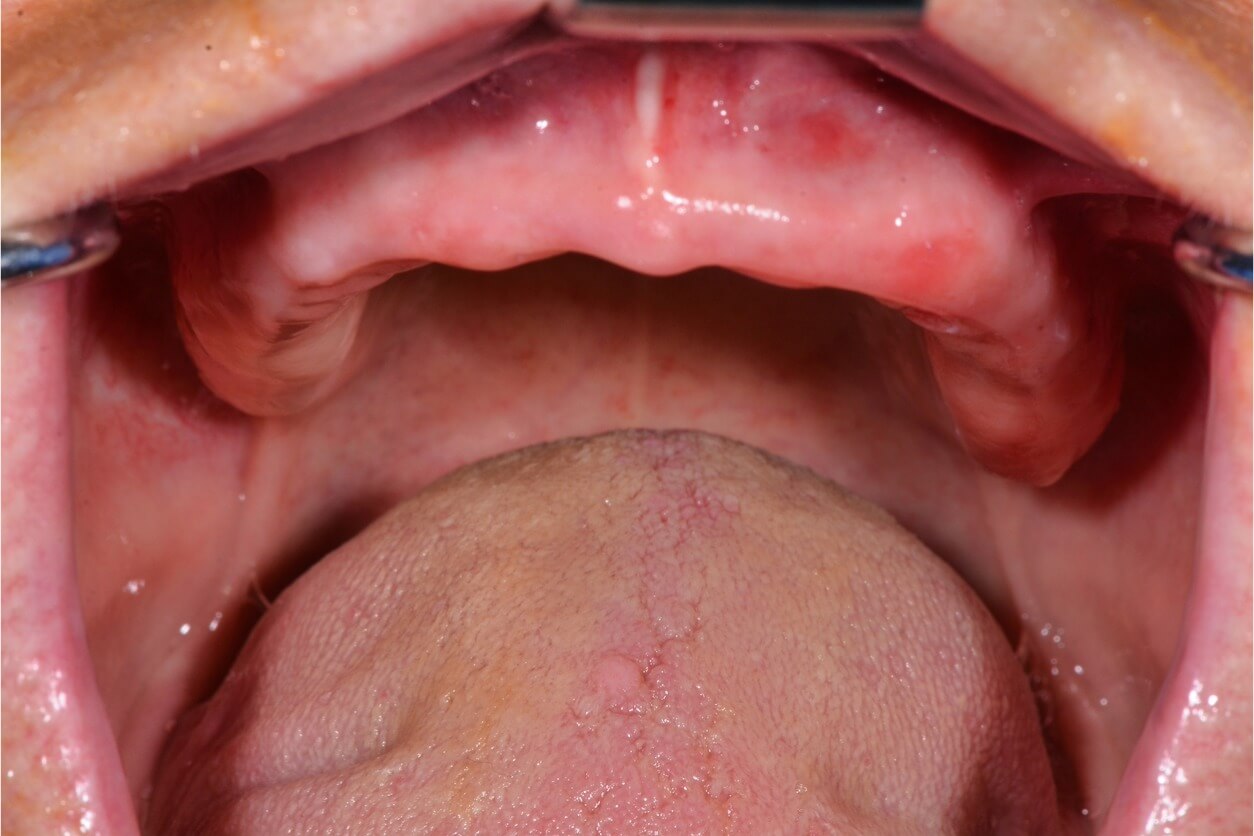

Have you ever felt a sudden, sharp pain in your jaw or heard a clicking noise when you chew? Temporomandibular Joint (TMJ) disorders can be incredibly frustrating, affecting your ability to eat, speak, and even breathe comfortably.
Imagine trying to enjoy your favorite meal or have a conversation with a loved one, only to be interrupted by jaw pain or restricted jaw movement. These symptoms can significantly impact your quality of life, causing discomfort and stress. So, keep reading to learn more.
What Is TMJ Disorder?
The temporomandibular joint, commonly referred to as the TMJ, acts like a sliding hinge connecting your jaw bone to your skull. This delicate jaw joint can become a source of significant pain and discomfort when it doesn’t function properly, a condition known as TMJ disorder.
Causes
- Jaw Injuries
- Misaligned Bite
- Constant Grinding
- Joint Disorders
Common Symptoms
- Jaw pain
- Facial pain
- Ear pain
- Restricted jaw movement
- Jaw clicking
- Neck pain
- Muscle spasms
How Long Does Treatment Take?
The duration will vary based on the selected treatment and other influencing factors.
Physical Therapy
It typically spans several weeks to months, depending on the specific condition being treated. During this period, patients actively participate in targeted exercises and may also receive manual therapies to facilitate healing and improve function.
Dental Appliances
Dental Appliances, such as splints or mouthguards, are often used in the short to medium term. Patients typically see improvements within a few weeks to months as these devices work to alleviate issues like teeth grinding or jaw disorders.
Orthodontic Treatment
Orthodontic treatment can last from a few months to several years. The duration largely depends on the complexity of the alignment issues being corrected. Regular adjustments and monitoring ensure teeth move effectively and safely into their desired positions.
Sleep Therapy
Sleep therapy duration varies based on the individual’s needs and the specific disorder being addressed. Treatment can be relatively short-term, such as using a CPAP machine for sleep apnea, or could involve long-term adjustments and lifestyle changes.
Surgery
Surgery recovery and total treatment time depend significantly on the type and extent of the procedure. Minimally invasive surgeries may require weeks to months of recovery, whereas more complex operations could necessitate longer rehabilitation to fully regain function and health.
Note: These time frames are approximate and can vary based on individual factors. Individuals with TMJ disorder need to work closely with their healthcare provider to develop a personalized treatment plan and monitor progress throughout the treatment process.
What Factors Impact the Duration of TMJ Disorder Therapy?
Severity of TMJ Symptoms
The severity of symptoms, such as pain intensity, jaw dysfunction, and the extent of joint damage, plays a significant role. Mild cases may resolve with conservative treatments over a shorter period, while severe cases may require more extensive and prolonged therapies.
Underlying Causes
Identifying and addressing the underlying causes of TMJ disorder, such as teeth grinding (bruxism), jaw misalignment, arthritis, or injury, can impact treatment duration. Effective management of these contributing factors is essential for successful treatment outcomes.
Individual Response to Therapy
Responses to treatments can vary widely among individuals. Some may experience rapid improvement with conservative measures, while others may require longer periods or more aggressive therapies to achieve symptom relief.
Treatment Approach
The chosen treatment approach—whether conservative (e.g., self-care, medications, physical therapy) or invasive (e.g., surgical interventions)—affects treatment duration. Conservative treatments generally require ongoing adherence over time, while surgical procedures may involve longer recovery periods.
Multidisciplinary Care
Collaboration among different healthcare providers, such as dentists, oral surgeons, physical therapists, and behavioral specialists, can optimize treatment outcomes. Coordinated care ensures comprehensive management and timely adjustments to treatment plans based on individual progress.
Patient Compliance and Lifestyle Factors
Patient compliance and lifestyle factors are crucial in managing TMJ symptoms effectively. Adherence to prescribed treatments, such as wearing oral appliances, performing exercises, or attending therapy sessions, influences treatment duration. Also, lifestyle factors, such as stress management, diet modifications—which may include opting for soft foods over chewy food—and ergonomic habits play a significant role in the overall success of the treatment plan.
Complications and Unexpected Factors
Complications during treatment, such as adverse reactions to medications or unexpected changes in symptoms, may necessitate adjustments to the treatment plan and affect the overall duration of therapy.
Book Your Appointment for TMJ Relief Today and Embrace a Pain-Free Life
Knowing how long does TMJ treatment take and the various treatment options available is essential for better oral health and quality of life. TMJ disorders can cause significant discomfort, but effective treatment can decrease chronic pain, improve jaw function, and prevent future complications.
At Dunedin Family Dentistry, we offer personalized, patient-centered care to help you find relief. If you’re dealing with TMJ disorder symptoms, don’t wait.
Contact us today to schedule a comprehensive examination and develop a customized treatment plan. Reach out now and regain control over your jaw health.