Your Invisalign aligners are precision-crafted tools for transforming your smile, and their effectiveness depends directly on how well you maintain them. They need regular cleaning not just for aesthetics but also to protect your oral health and ensure optimal teeth movement throughout your treatment.
Throughout your day, bacteria, plaque, and food particles can accumulate on your aligners, potentially leading to dental issues if not properly addressed. This guide will walk you through the essential cleaning routines and expert tips to keep your aligners clear, hygienic, and working effectively.
What Are Invisalign Aligners?
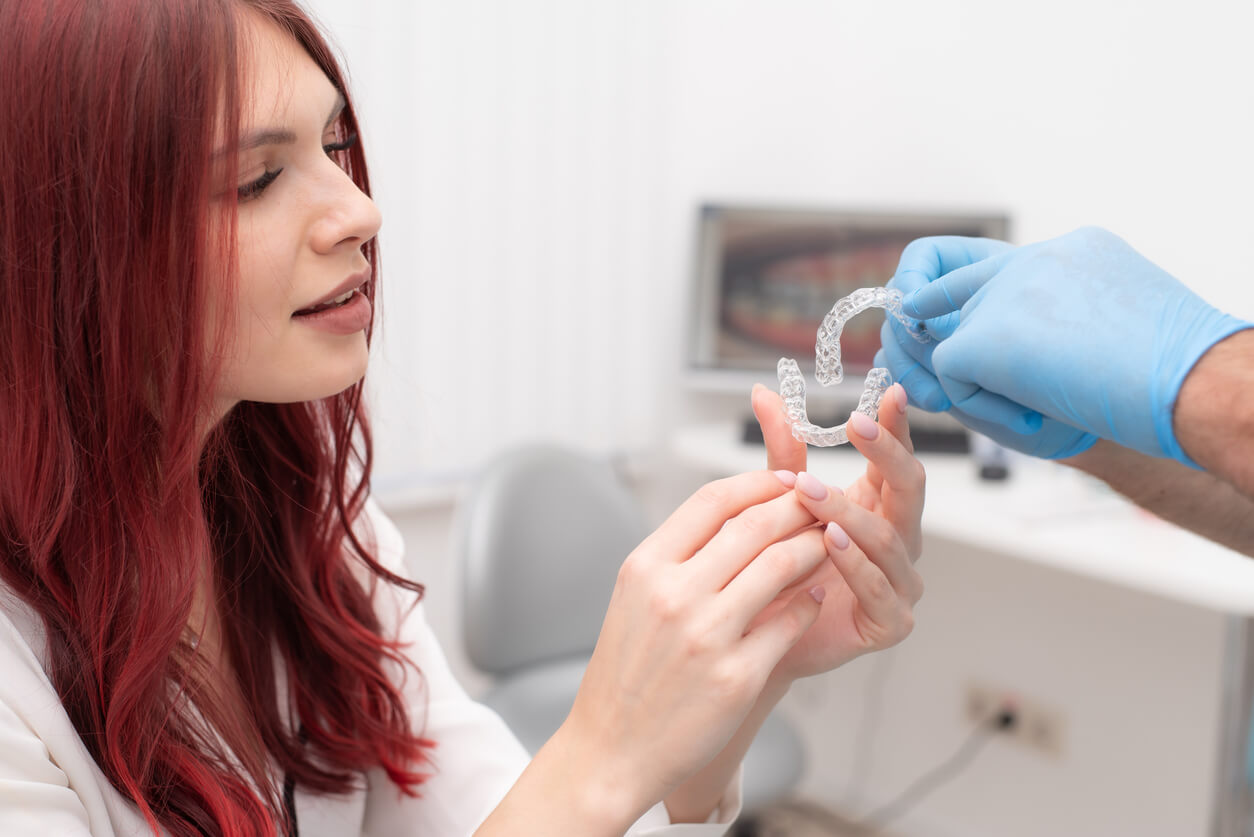
Invisalign aligners are custom-made, clear thermoplastic trays designed to gradually straighten your teeth. Unlike traditional braces, these removable devices offer the convenience of easy cleaning and maintenance. Each set of aligners is precisely engineered to move specific teeth according to your treatment plan, making proper care crucial for achieving the best results.
Cleaning Products: Why Clear Soap Is Recommended?
- Gentle Cleaning Action. Clear, liquid soap dissolves plaque and bacteria without scratching the aligner surface
- No Abrasive Particles. Unlike toothpaste, clear soap contains no micro-abrasives that could damage your aligners
- Residue-Free. Properly diluted clear soap rinses away completely, leaving no film or buildup
- Cost-Effective. A small bottle of clear soap lasts several months when used for aligners
- Readily Available. Can be found in any store, making it convenient for travel or replacement
Is Toothpaste Safe for Invisalign Aligners?
While toothpaste is essential for cleaning your teeth, it can damage your Invisalign aligners. The tiny abrasive particles in toothpaste, designed to clean tooth enamel, create microscopic scratches on your aligner’s surface. These scratches not only make your aligners appear cloudy but also become perfect hiding spots for bacteria, leading to bad breath and increased staining.
More seriously, repeated use of toothpaste can weaken the plastic material, potentially affecting the precise fit needed for proper tooth movement. This damage can compromise your treatment’s effectiveness and may even require premature aligner replacement. The scratched surfaces also become increasingly difficult to clean, creating a cycle of hygiene problems that can impact both your aligners and oral health.
Daily Cleaning Routine
Rinse Upon Removal
Whenever you take out your aligners, rinse them immediately with lukewarm water. This helps remove saliva and prevent the dry buildup of bacteria. Avoid using hot water as it can warp the plastic trays.
Basic Brushing
Use a soft-bristle toothbrush with a gentle soap, like clear, liquid soap, to brush your aligners. Avoid scented soaps and colored soaps, as they can stain or leave residues. Steer clear of toothpaste, which is often too abrasive for the aligner’s surface.
Soak Aligners
Soak your trays daily in a cleaning solution like Invisalign cleaning crystals or a retainer cleaner. Dissolve them in a cup of water and leave the aligners in the solution for the recommended time, usually 15-30 minutes. This soaking process removes stubborn bacteria stains and confirms the aligners remain clear.
Weekly Deep Cleaning
Once a week, perform a deep clean using white vinegar, a natural antiseptic known for its effectiveness in cleaning. Mix equal parts white vinegar and lukewarm water to soak your aligners for about 30 minutes. Alternatively, use a mixture of hydrogen peroxide and water or a sodium bicarbonate (baking soda) solution to keep your trays clean.
Avoid using cold water or hot water during the soaking process to prevent damage to the aligners. Also, refrain from using denture cleaners, as they may be too harsh for Invisalign trays.
Tips for Maintaining Clean Aligners
- Avoid eating or drinking anything other than water when wearing aligners to prevent food particles and sugary drinks from causing buildup. Consuming food while wearing aligners can lead to staining and the accumulation of bacteria, which compromises oral hygiene. By sticking to water, you make sure your aligners stay clear and effective throughout the day.
- Brush and floss your teeth before reinserting your Invisalign trays to support an effective oral hygiene routine. This practice helps eliminate food particles and plaque that might be trapped between your teeth, establishing a cleaner environment. Reinserting your aligners over freshly cleaned teeth minimizes the risk of tooth decay and gum disease.
- Store your aligners in their designated case when not in use to protect them from germs and dirt. Keeping your aligners in a protective case reduces the chances of losing them or exposing them to contaminants. This precaution helps maintain the cleanliness and integrity of your aligners, prolonging their lifespan and functionality.
- Handle your aligners with clean hands to avoid transferring dirt and germs onto them. Always wash your hands thoroughly with soap and water before touching your aligners to maintain their cleanliness. This simple habit prevents the introduction of bacteria from your hands to your mouth, supporting better oral health.
- Inspect your aligners regularly for signs of wear or damage and consult with your orthodontist if needed. Periodically checking your aligners confirms they remain in optimal condition for effective treatment. Immediately addressing any issues with your orthodontist prevents delays in your treatment plan and establishes you achieve the desired results.
Common Mistakes to Avoid
- Using Antibacterial Soaps. Antibacterial soaps often contain harsh chemicals that can be too abrasive for your Invisalign aligners, potentially damaging them. These chemicals can also leave unwanted residues on the trays, which may affect their clarity and comfort.
- Neglecting Regular Cleaning. Failing to clean your aligners on a daily basis can lead to the buildup of bacteria and plaque, resulting in unpleasant odors and potential oral health issues. Over time, neglected aligners can become discolored and less effective in achieving desired orthodontic outcomes.
- Applying Hot Water. Exposing aligners to hot water can cause them to warp and lose their precise shape, which is essential for effective teeth alignment. Warped aligners may not fit snugly, leading to extended treatment times and less optimal results.
- Using Toothpaste for Cleaning. Many kinds of toothpaste are abrasive and can scratch the surface of the aligners, creating tiny crevices where bacteria can thrive. This scratching not only diminishes the aligners’ transparency but also increases the risk of dental infections.
- Reinserting Aligners Without Brushing Teeth. Failing to brush and floss before reinserting the aligners can trap food particles and sugar between the trays and teeth, promoting decay and cavities. Proper oral hygiene confirms that your aligners stay clean and that your teeth remain healthy throughout treatment.
- Not Using the Designated Case. Storing aligners in anything other than their designated case can expose them to bacteria and dirt, which may transfer to your mouth. A designated case offers protection from accidental loss or damage when the aligners are not in use.
- Overusing Whitening or Cleaning Products. Excessive use of certain cleaning products or whitening agents can wear down the aligners, affecting their appearance and functionality. It’s important to use products specifically intended for clear aligners to maintain their integrity and effectiveness.
Dealing With Cloudy Aligners
Many Invisalign users notice their aligners becoming cloudy over time. Understanding why this happens and how to address it is crucial for maintaining both the appearance and effectiveness of your treatment.
Why Do Aligners Become Cloudy?
Your clear aligners can lose their transparency due to several factors. Daily exposure to saliva proteins naturally creates a thin film on your aligners. Additionally, mineral deposits from tap water, bacterial buildup from inadequate cleaning, and residue from colored or scented soaps can all contribute to cloudiness. Using toothpaste or hot water for cleaning can also create micro-scratches that make aligners appear cloudy.
Preventing Cloudiness
To maintain your aligners’ clarity:
- Rinse with lukewarm (never hot) water after every removal
- Clean your aligners before storing them, even for short periods
- Use only clear, unscented soap for cleaning
- Avoid drinking anything but water while wearing aligners
- Store aligners in a clean case, not tissues or napkins
- Keep up with your weekly deep cleaning routine
Restoring Clarity
If your aligners have already become cloudy:
- Try a 30-minute soak in a solution of equal parts white vinegar and lukewarm water
- Use Invisalign cleaning crystals for a thorough cleanse
- Consider a gentle ultrasonic cleaning device specifically designed for clear aligners
- If cloudiness persists despite proper cleaning, consult your orthodontist – it may be time for your next set of aligners
Remember: Some degree of cloudiness is normal toward the end of your two-week wear period. However, excessive cloudiness might indicate that your cleaning routine needs adjustment.
Benefits of Properly Cleaned Aligners
- Enhanced Effectiveness. Properly cleaned aligners establish optimal contact with the teeth, assisting in the intended pressure and movement necessary for alignment. This leads to a more efficient orthodontic treatment, helping you achieve results in the anticipated timeframe.
- Reduced Risk of Bad Breath. By removing food particles and bacteria, clean aligners help prevent bad breath, which can be a concern with prolonged wear. This promotes a fresher oral environment and boosts confidence in social situations.
- Prevention of Oral Infections. Regular cleaning minimizes bacteria and plaque buildup, reducing the potential for oral infections, such as gingivitis. This maintenance supports oral health, preventing complications that could delay treatment progress.
- Established Transparency and Aesthetic Appeal. Keeping aligners clean prevents discoloration and cloudiness, maintaining their invisibility. This confirms that you can wear them confidently without the worry of noticeable stains affecting your appearance.
- Prolonged Durability. Clean aligners are less prone to deterioration caused by bacterial acids and plaque. This enhances the longevity of each set, making sure they function effectively until it’s time to switch to the next stage in your treatment plan.
How to Clean Invisalign Retainers
After investing time and money in achieving your perfect smile with Invisalign aligners, maintaining that smile with retainers becomes your next crucial step. Your Invisalign retainers, worn after completing your aligner treatment, require the same careful attention to cleaning as your aligners did. Proper cleaning not only protects your investment but also safeguards your oral health, as retainers can harbor harmful bacteria if not maintained correctly.
Unlike aligners that you replace every two weeks, retainers are designed for long-term use—sometimes months or years. This makes thorough cleaning even more critical, as buildup and bacteria can accumulate over this extended period. A well-maintained retainer stays clear, odor-free, and effectively holds your teeth in their new position.
Daily Basic Cleaning
- Remove and rinse your retainer with lukewarm water after each meal
- Gently brush with a soft-bristled toothbrush and clear, antibacterial soap
- Pay special attention to grooves and ridges where bacteria can hide
- Rinse thoroughly before reinserting
Deep Weekly Cleaning
- Soak in Invisalign cleaning crystals for 15-30 minutes
- Alternatively, use a mixture of equal parts white vinegar and water
- Brush gently after soaking to remove any loosened deposits
- Rinse completely with lukewarm water
Monthly Maintenance
- Inspect for calcium buildup or discoloration
- Check for any cracks or damage
- Consider professional cleaning if needed
- Consult your orthodontist about replacement if you notice any warping
Special Considerations for Retainers
❌ Never use hot water, as it can warp the plastic
❌ Avoid toothpaste, which can scratch the surface
✅ Keep retainers in their case when not in use
✅ Clean the retainer case weekly to prevent bacterial growth
✅ Consider having a backup retainer in case of damage
By following these cleaning protocols, you can extend the life of your retainers and protect your newly aligned smile. Remember, maintaining clean retainers is essential not just for hygiene, but for ensuring they continue to work effectively in preserving your tooth alignment.
Experience Exceptional Dental Care at Dunedin Family Dentistry
Caring for your Invisalign aligners is an essential step towards achieving that beautiful smile you’ve always dreamed of. By making these simple cleaning methods part of your daily routine, you’re not just protecting your oral health but actively participating in your own transformation. For personalized advice, reach out to your dental professional, as they can provide the right guidance just for you.
Ready to take the next step towards a stunning smile? Trust your dental care to the experts at Dunedin Family Dentistry. Our skilled team is dedicated to providing personalized orthodontic care and comprehensive dental services in a warm and welcoming environment.
With state-of-the-art technology and a patient-centered approach, we make sure your journey to a perfect smile is smooth and effective. Schedule your consultation today with Dunedin Family Dentistry, where your smile is our top priority!