According to the National Center for Health Statistics, from 2015 to 2018, 13.2% of children aged 5–19 had untreated dental caries. The prevalence was higher among adults, with 25.9% of those aged 20–44, 25.3% aged 45–64, and 20.2% of those 65 and older affected.
Tooth decay at the gum line is more common than you think, but don’t worry—it doesn’t have to be a long-term problem. Catch it early to stop further decay and keep your smile bright. Understanding the causes of gumline cavities, recognizing symptoms, and knowing how to fix tooth decay at the gumline can make all the difference in maintaining a healthy smile.
What Is Tooth Decay and How Does It Affect the Gum Line?
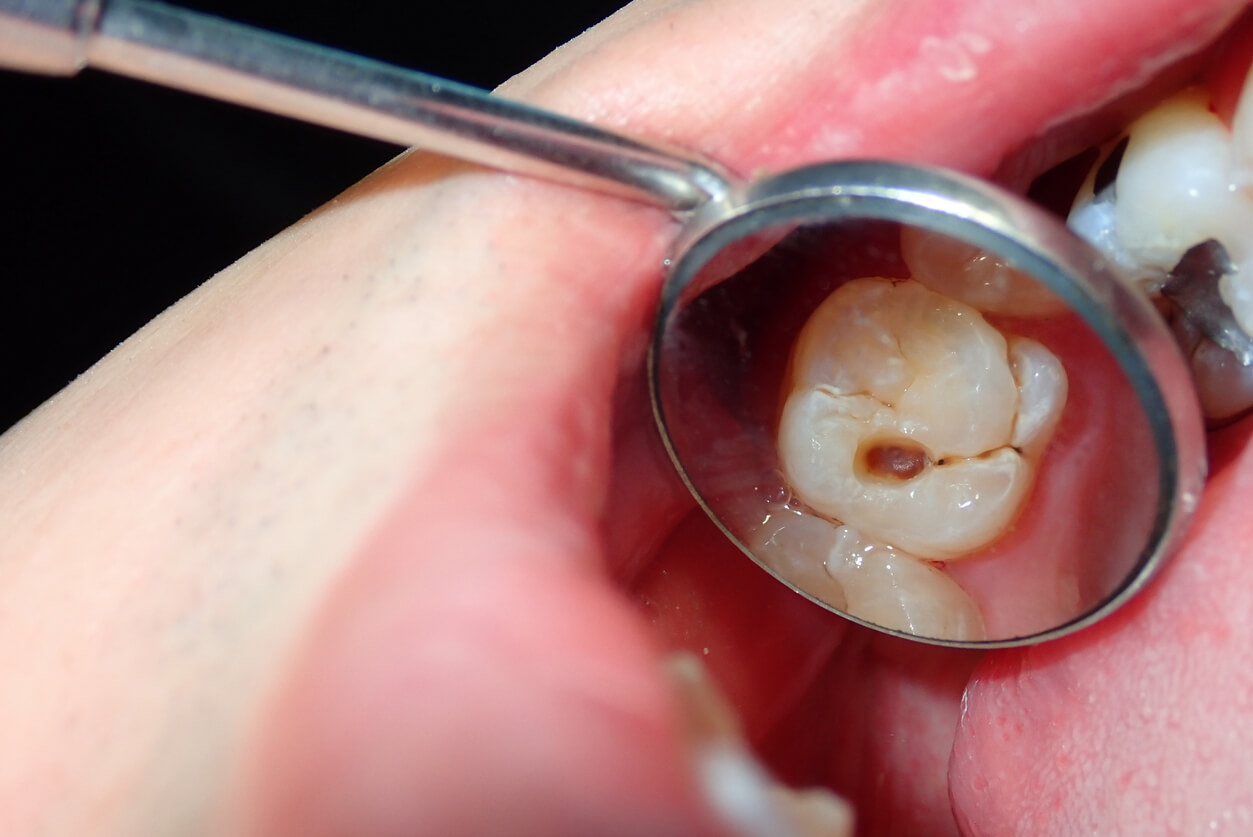
Tooth decay, or cavities, happens when bacteria in your mouth create acids that wear away tooth enamel. This process can expose and affect areas near the gum line, leading to gumline cavities.
When decay affects the gum line, it can cause tooth sensitivity, pain, and even gum recession. Over time, this can weaken the tooth’s structure and harm gum tissue, increasing the risk of more severe dental issues.
Recognizing the Early Signs of Gum Line Decay
Catching gum line decay early is important for maintaining oral health. Here are some signs to watch out for:
- Tooth Sensitivity and Discomfort: If you notice a sharp pain or experience tooth sensitivity when eating hot, cold, or sweet foods, it could be an early sign of decay.
- Pain Near the Gum Line: Persistent pain or discomfort around the gums can indicate that decay is affecting the tooth near its base.
- Dark Spots on the Tooth’s Root Surface: These spots may appear along the gum line and can suggest areas where the enamel is weakened, leading to decay.
- Swollen or Tender Gums: Gums that are swollen, red, or tender to the touch might be reacting to underlying decay or irritation.
Common Causes and Risk Factors of Tooth Decay on the Gum Line
Tooth decay at the gum line is a common issue that can happen when bacteria in your mouth attack the tooth roots. Here’s what contributes to it:
- Poor Oral Hygiene Habits: Skipping regular brushing and flossing allows bacteria to thrive. Over time, this leads to decay as food particles and plaque aren’t cleared away.
- Receding Gums: When gums tend to pull back, they expose the sensitive tooth roots. This exposure makes these areas more likely to decay and leads to other gum issues.
- Plaque Buildup: Plaque is a filmy substance that sticks to your teeth. It’s full of bacteria that can turn into tartar if not cleaned away, causing decay and gum disease.
- Sugary and Acidic Foods: Consuming lots of sweets and acidic foods breaks down tooth enamel. This softening creates an environment where decay can easily form.
- Dry Mouth: Saliva is essential for cleansing food particles and bacteria. When you have a dry mouth, the reduced saliva can raise the risk of decay since it helps keep your teeth clean.
- Grinding Teeth: Habitual grinding and clenching can wear down enamel at the gum line, making those areas more susceptible to decay.
- Existing Dental Work: Fillings or crowns can collect plaque if not maintained, leading to potential decay.
- Diet Lacking in Nutrients: A lack of essential nutrients like calcium weakens teeth and gums.
- Gastroesophageal Reflux Disease (GERD): Stomach acids can flow back into the mouth, eroding enamel and increasing the risk of decay near the gum line.
Can Tooth Decay at the Gum Line Be Fixed?
Yes, tooth decay at the gum line can be effectively managed and resolved. When detected early, you have the chance to stop the decay from progressing, which is essential for protecting your smile’s overall health. Early intervention allows for simpler solutions, avoiding more complex dental issues in the future.
Tooth Decay at the Gum Line Treatment
Treating gum line decay involves various effective methods to restore your dental health:
Professional Dental Treatments
When addressing tooth decay at the gum line, professional dental treatments offer effective solutions:
1. Dental Fillings
Dentists can fill cavities using composite resin material or dental amalgam. These materials are designed to restore the tooth’s shape and function, blending seamlessly with your natural teeth.
2. Fluoride Treatments
These treatments help to reinforce tooth enamel, making it more resistant to decay. They’re especially helpful in strengthening areas that are beginning to show signs of early decay.
3. Root Canal Therapy
When there is advanced decay to the tooth’s inner pulp, a root canal procedure may become necessary. This treatment removes the infected tissue and preserves the tooth, helping to relieve pain and prevent further complications.
4. Professional Cleaning by a Dental Hygienist
Regular cleanings help to remove plaque buildup, a common cause of decay. Hygienists can reach areas that your toothbrush might miss, reducing the risk of further problems.
Natural Ways
Enhancing your dental care routine with natural methods can be beneficial alongside professional treatments:
1. Oil Pulling
Gargling a tablespoon of coconut or sesame oil in your mouth daily for 15-20 minutes helps reduce bacteria and plaque. This ancient practice can support overall oral hygiene by removing toxins and improving gum health.
2. Saltwater Rinse
To soothe irritated gums and reduce inflammation, mix a teaspoon of salt in a cup of water and use it as a gargle. This straightforward remedy can help minimize bacteria and promote healing.
3. Green Tea
Drinking green tea may help prevent the growth of bacteria and reduce inflammation. Its natural antioxidants are known for promoting oral health, supporting both gums and teeth.
4. Antibacterial Mouthwash
Use natural mouthwashes containing ingredients like tea tree oil or aloe vera to help control bacteria without the harshness of chemical alternatives. These options can support your daily oral routine effectively.
The Importance of Addressing Gum Line Decay
Addressing gum line decay is essential for maintaining a healthy smile. Here’s why taking action promptly is essential:
- Prevent Worsening Cavities: Tackling decay early stops it from spreading, saving you from more extensive damage and costly treatments down the road.
- Preserve Oral Health: Early intervention helps maintain your oral health, keeping teeth and gums in excellent condition and preventing future dental problems.
- Avoid Complex Procedures: By managing decay right away, you may not need invasive procedures like root canals or tooth extractions, which can be more intensive and time-consuming.
- Protect Tooth Surfaces: Treating decay helps maintain the natural strength and integrity of your tooth surfaces, preventing them from becoming worn down or compromised.
- Maintain Healthy Gum Tissue: Early care keeps your gums healthy, reducing the risk of issues like receding gums and gum disease, which can lead to further complications.
- Enhance Quality of Life: By addressing decay, you can prevent discomfort and pain, enabling you to enjoy daily activities without being hindered by dental issues.
- Boost Confidence: Caring for your teeth and gums can improve your self-confidence, allowing you to smile freely without worry.
What Are the Complications Associated With Gum Line Decay?
Gum line decay can lead to several serious issues if not addressed promptly. Here are some possible complications of untreated gum disease:
- Increased Sensitivity: Decay at the gum line can expose tooth roots, leading to heightened sensitivity to hot, cold, or sweet foods.
- Gum Recession: Continued decay may cause the gums to recede further, exposing more of the tooth and worsening the problem.
- Tooth Loss: If decay progresses, it can weaken the tooth structure, potentially resulting in tooth loss.
- Infection or Tooth Abscess: Untreated decay can lead to infections at the tooth’s root, creating painful abscesses that require immediate attention.
- Periodontal Disease: Decay can contribute to gum disease, which can affect both the gums and jawbone, leading to severe oral health issues.
- Difficulty Chewing: Pain and sensitivity from decay can make it difficult to chew, impacting nutrition and quality of life.
Preventing Gum Line Cavity and Decay
Keeping your gums and teeth healthy involves committing to a few key practices. Here’s how to prevent gumline decay:
Maintain an Excellent Oral Hygiene Routine
Brush your teeth daily with fluoride toothpaste to help strengthen enamel and remove plaque. Make flossing a daily habit to effectively clean between teeth and along the gum line, where your toothbrush may not reach.
Visit the Dentist Regularly
Schedule routine dental check-ups to allow your dentist to catch any early signs of decay. Professional cleanings remove tartar buildup that home care can’t address, keeping your mouth in excellent health.
Consider Orthodontic Treatment if Needed
Using clear aligners or braces to correct teeth alignment can reduce overcrowded areas where plaque tends to build up, resulting in a cleaner mouth and fewer spots prone to decay.
Floss Regularly
Daily flossing removes food particles and prevents plaque from hardening into tartar along the gum line, reducing the chance of developing decay and gum disease.
Use Prescription Fluoride
Talk to your dentist about prescription-strength fluoride treatments. These provide an added layer of protection for your tooth enamel, especially beneficial for those at high risk of decay.
Watch Your Diet
Cut down on sugar-rich and acidic foods and beverages, as they can cause enamel erosion. Choose a nutritious diet filled with calcium-rich foods like dairy and leafy greens to support strong teeth and healthy gums.
Stay Hydrated
Staying hydrated by drinking water during the day helps clear away food debris and supports saliva production, both essential for oral health.
Quit Smoking
Smoking can harm gum tissue and increase the risk of decay. Quitting or cutting back can improve your overall health and protect your gums.
Combat Gum Line Decay: Book Your Appointment With Us Today
At Dunedin Family Dentistry, we’re ready to help if you notice signs of decay. Our skilled and compassionate dental team in Palm Harbor, FL, offers a variety of services, from dental cleanings and fluoride treatments to more advanced care, all aimed at keeping your smile healthy and bright.
Book an appointment with us today and discover how our personalized care can support your dental health for the long term. Let us be your partner in maintaining a confident and healthy smile.