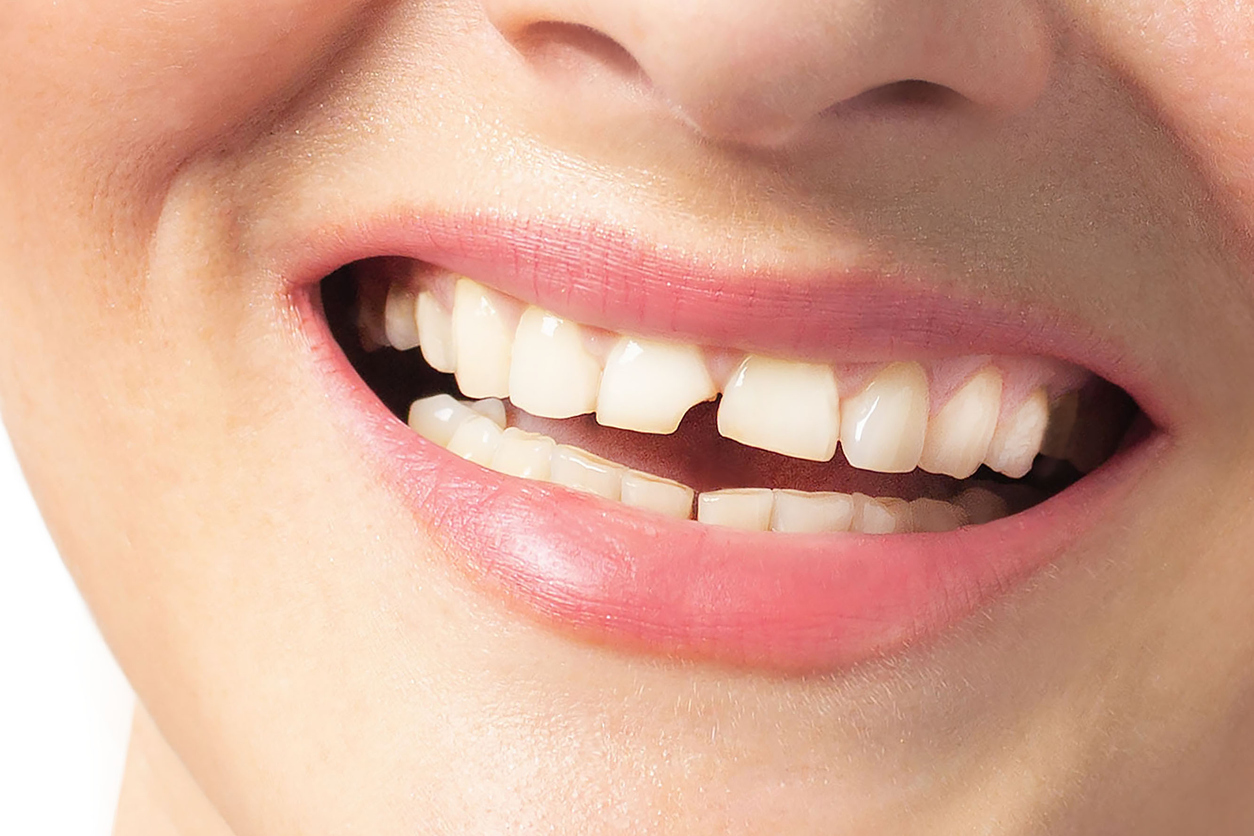
According to a study, cracked teeth are common in men aged 40-50, commonly affecting the upper and lower back teeth.. So, what happens if you chip a tooth? Is it an emergency? Knowing when to get immediate dental care can make a big difference.
This article will help you understand what occurs when a chipped tooth surprises you, how to evaluate the damage, and when to call an emergency dentist. We’ll also go over treatment options and ways to avoid similar issues in the future.
What Is a Chipped Tooth?
A chipped tooth occurs when a part of it breaks away, leaving an uneven edge. It can happen to any of your teeth and might make you notice a change in texture when you run your tongue over it. Chipped teeth are common and vary in severity, but it’s important to get them checked by a dentist to decide the best course of action.
What Happens When a Tooth Chips?
Chipping a tooth can bring about several changes you may instantly notice. Here’s what you might experience:
- Increased Sensitivity: You may find that your tooth becomes sensitive, particularly to cold foods and drinks. This sensitivity can be surprising and uncomfortable.
- Rough and Jagged Edges: The chipped area may feel sharp or rough to your tongue, making it noticeable when speaking or eating.
- Pain or Discomfort: If the chip is significant, it might expose the inner layers of the tooth, such as the pulp, leading to pain or discomfort, especially when chewing.
- Potential for Further Damage: A chipped tooth is weaker and might be more prone to additional damage if not treated promptly.
- Changes in Appearance: The chipped area might alter the look of your smile, which could affect your confidence.
Different Types of Tooth Chips and Severity
Identifying the severity of a chipped tooth can help you decide how urgently you need dental care.
| Severity | Description | Symptoms Associated |
| Minor Chip | A small chip causing slight roughness | May feel rough to the tongue, usually painless |
| Moderate Chip | Larger chips resulting in noticeable damage | Increased sensitivity to temperature, noticeable damage |
| Severe Chip | Severe damage exposing the pulp chamber | Intense pain, possible bleeding, risk of infection |
Is a Chipped Tooth a Dental Emergency?
Yes, a chipped tooth can be a dental emergency. If it affects your ability to eat or involves severe damage, it’s important to see a dentist right away. Prompt care can help restore your tooth and prevent complications. Always consult a dentist to evaluate the situation and determine the best treatment.
When Is a Chipped Tooth a Dental Emergency?
A chipped tooth becomes a dental emergency under certain critical conditions that demand prompt attention:
Severe or Excruciating Pain
Intense pain can signal that the damage has impacted the deeper layers of the tooth, affecting nerves. Immediate dental care is essential to manage pain and prevent further deterioration.
Bleeding or Exposure of Tooth Pulp
If the chip is deep and severe enough to expose the pulp, it could lead to infection. This situation not only increases the risk of severe pain but also potential tooth loss if not treated quickly.
Noticeable Tooth Sensitivity
Extreme sensitivity, especially to temperature changes or sweet foods, can indicate that the tooth’s protective enamel barrier is compromised. This demands urgent evaluation to avoid escalating damage.
Impact on Daily Activities
If the chipped or broken tooth affects your ability to speak, chew, or engage in routine activities, it’s important to seek emergency dental care. Discomfort can interfere with daily life, and prompt treatment can restore functionality and comfort.
What to Do Immediately After Chipping a Tooth
If you find yourself with a chipped tooth, acting quickly can help manage discomfort and protect your dental health. Follow this detailed guide to handle the situation effectively:
- Rinse Your Mouth: Clean your mouth to remove any fragments or debris. Use warm water to soothe the area and minimize irritation, creating a cleaner setting for potential dental work.
- Apply a Cold Compress or Ice Pack: Place a cold compress on the outside of your cheek near the chipped tooth. This helps decrease swelling and numbs the area to relieve pain. Make sure you apply it in 10-minute intervals, allowing breaks in between to avoid skin issues.
- Preserve Any Broken Pieces: If you can locate the chipped pieces, store them in a clean container with some milk or saline. Keeping them moist increases the chances that a dentist may be able to use them for repair.
- Avoid Hard or Sticky Foods: Until you’re able to see a dentist, focus on eating soft foods to protect the chipped tooth from further damage. Hard or sticky foods can worsen the chip, leading to additional discomfort.
- Steer Clear of Extreme Temperatures: Be cautious with hot or cold food and drinks, as your teeth may be more sensitive. Sticking to room temperature items can prevent further irritation.
- Schedule an Appointment with an Emergency Dentist: Contact an emergency dentist promptly to assess the damage. Professional evaluation ensures you receive appropriate treatment to restore your tooth’s function and appearance.
- Gently Brush the Area: Continue to maintain oral hygiene by gently brushing around the chipped tooth with a soft-bristle toothbrush. This will help keep your mouth clean without causing additional irritation.
Can a Chipped Tooth Repair Itself?
No, a chipped tooth cannot repair itself. Unlike bones, teeth lack the regenerative ability to heal naturally. Professional dental care is needed to restore the tooth’s structure and prevent further damage or tooth loss. A dentist can assess the chip and suggest appropriate treatment, whether it’s smoothing out rough edges or applying protective bonding.
How Dentists Treat Chipped Teeth
Dentists offer a range of solutions tailored to the severity of your chipped tooth, ensuring effective restoration and improved oral health.
Smoothing Rough Edges
If the chip is small and only affects the enamel, dentists can gently polish the rough edges. This process removes sharp areas that could irritate your tongue or the inside of your mouth, making it more comfortable.
Composite Bonding
This is an efficient way to repair minor damage. A composite resin, matching your tooth’s color, is applied and shaped to fit the natural contour. Once in place, the resin is hardened with a special light, providing both function and a natural appearance. This method is quick, often completed in one visit, and is cost-effective.
Dental Crown
Moderate chips that compromise the tooth’s structure may require a crown. The crown, usually made from porcelain, ceramic, or metal, covers the entire tooth. It restores strength, functionality, and aesthetics. The process typically involves changing the shape of the tooth to fit and match the dental crown and taking impressions to provide a perfect fit. Once fabricated, the crown is carefully placed over the tooth.
Tooth-Colored Resin
Resin can fill in gaps and provide strength for chips that do not require a full crown. This material blends seamlessly with the tooth, providing a cost-effective and durable solution that maintains the tooth’s integrity.
Root Canal
In cases where a chip exposes the tooth pulp, a root canal procedure is required to remove the damaged pulp, clean the tooth’s interior, and seal it. This prevents infection and salvages the tooth. Afterward, a dental crown is usually placed to protect and restore the tooth.
Tooth Extraction
If the damage is severe and the tooth can’t be preserved, extraction might be needed. After extraction, dentists will explore replacement options like bridges, dentures, or dental implants. Implants provide a long-lasting solution by using a titanium post to replace the tooth root, topped with a crown that resembles the look and function of a natural tooth.
Preventing Chipped Teeth in the Future
Maintaining strong, healthy teeth can help prevent chips and other damage. Here’s how to protect your natural teeth effectively:
- Avoid Hard Foods: Foods like popcorn kernels, hard candy, and even ice can put undue stress on your teeth. Biting down on these can easily lead to chips or fractures. Opt for softer alternatives where possible and be mindful when consuming harder foods.
- Wear a Mouth Guard: In activities or contact sports like boxing, football, or hockey, a mouth guard is essential. It provides a protective barrier, absorbing impacts and reducing the risk of dental injuries. Mouth guards from your trusted dentist offer the best protection and comfort.
- Practice Good Oral Hygiene: Regular brushing and flossing keep your teeth strong and healthy by preventing decay and weakening of the enamel. Use toothpaste with fluoride to help give strength to the enamel, and consider adding a daily mouth rinse to your routine.
- Schedule Regular Dental Check-Ups: Dental examinations are key to monitoring your oral health. Regular check-ups enable your dentist to identify potential problems early, such as tooth decay or weakened enamel, and provide prompt treatment to prevent chips.
- Avoid Using Teeth as Tools: Using your teeth to open packages or hold objects may be tempting, but this habit can cause unnecessary stress and lead to chipping. Always use appropriate tools and avoid putting your teeth at risk.
- Choose Tooth-Friendly Diets: A balanced diet with plenty of calcium and vitamin D gives strength to the teeth and bones. Reduce acidic and sugary foods as they can erode enamel over time, raising the risk of chipping.
- Address Teeth Grinding (Bruxism): If you grind your teeth, especially at night, consider wearing a night guard. Teeth grinding can weaken teeth and make them more susceptible to chips. A fit and custom night guard from your dentist can protect your teeth during sleep.
Restore Your Smile: Visit Us for Effective Tooth Repair
Worried about a chipped or broken tooth? Don’t let it cause you more pain or ongoing issues. Book a dental appointment with us for prompt care and effective solutions. Whether it’s a minor chip or severe damage, our treatments, like dental bonding and crowns, will help restore your smile.
At Dunedin Family Dentistry, we’re here to help you keep your teeth healthy and strong. Reach out to us, and let’s make sure your oral health is in good shape.