A study investigated how smoking affects dental implants, focusing on appearance and health, involving 298 patients aged 38 to 62. Smokers had more issues with their implants and thinner gums, which are essential for gum health. Meanwhile, non-smokers enjoyed a 100% success rate, while smokers faced a greater risk of dental implant failure.
So, what does this mean for you? Whether you’re a light smoker or trying to quit, understanding the interaction between smoking and dental implants is essential. In this article, we’ll discuss what dental implants are and how smoking impacts them, as well as provide expert tips to help you keep a healthy smile.
What Is a Dental Implant?
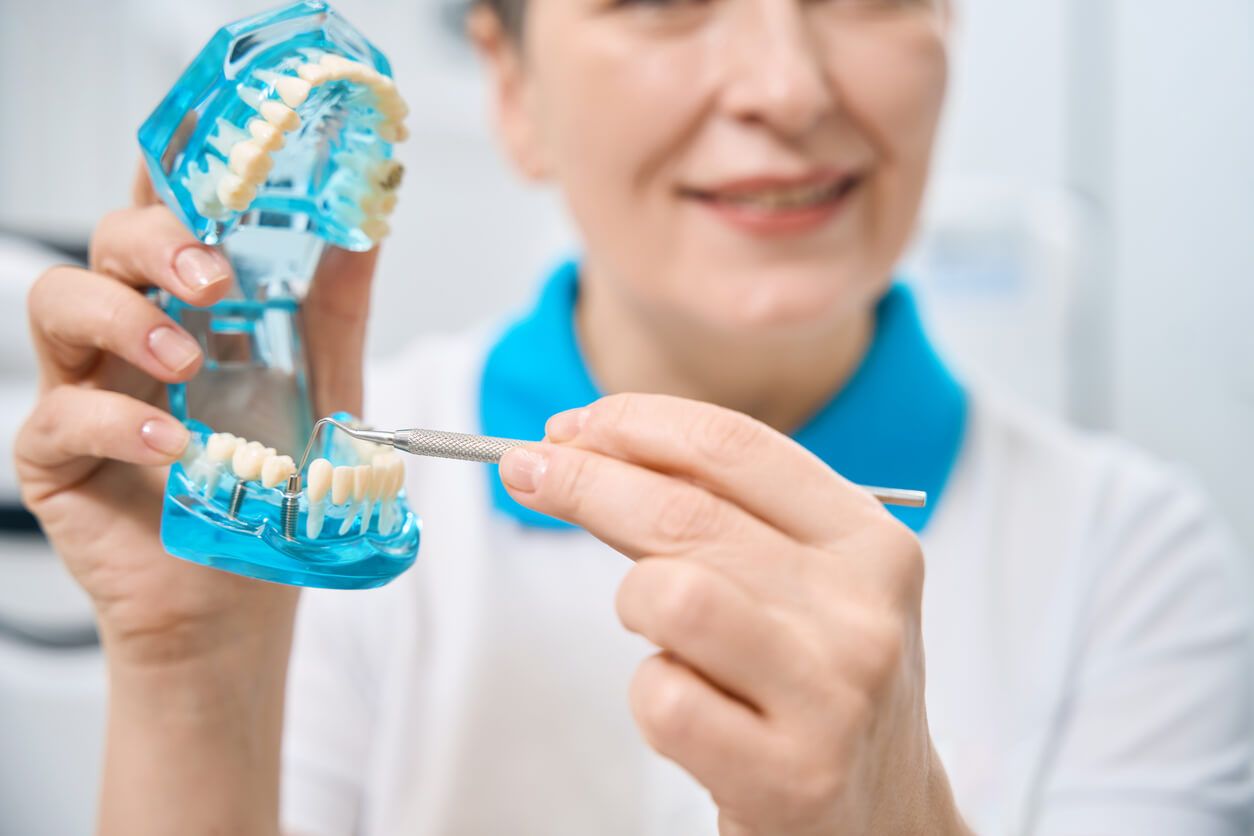
Implants serve as tooth roots, typically made from strong titanium, designed to support replacement teeth. Surgically inserted into the jawbone, they naturally bond over time. This bonding provides a stable foundation for crowns or bridges, replicating the function and look of natural teeth.
Implants are a long-lasting fix for missing teeth, enhancing both oral health and the aesthetics of your smile by preserving the surrounding bone structure and preventing further deterioration.
The Dental Implant Procedure
Getting familiar with each step of the dental implant process can put you at ease.
- Consultation: Meet with your dentist to evaluate your oral health, discuss your needs, and make sure you’re a good candidate for implants.
- Planning: Through X-rays and detailed assessments, your dentist lays out a treatment plan tailored to your specific dental structure.
- Placement: The titanium post will be carefully inserted into your jawbone by a skilled surgeon, providing a sturdy foundation.
- Healing: This phase can take several months, as the implant bonds naturally with the bone through a process called osseointegration, providing stability.
- Abutment Attachment: Once the implant has integrated and healed, an abutment is secured on top, acting as a connector between the post and the new tooth.
- Crown Placement: Finally, a custom-made crown is fitted onto the abutment, perfectly matching your natural teeth in both function and appearance.
Can Smokers Get Dental Implants?
Yes, smokers can get dental implants. Smoking and dental implants do present specific challenges, but they are still a viable option. By reducing smoking and maintaining good oral hygiene, smokers can improve their chances of success and support their overall oral health. Dentists may recommend extra care during the healing process.
What Counts as ‘Light Smoking’?
Light smoking generally refers to smoking fewer than 10 cigarettes per day. Despite the lower quantity, even light smoking after dental implant surgery can still affect outcomes. Smoking can ultimately compromise the stability and success of the implant, affecting overall oral health in the long run.
How Smoking Impacts Dental Implants
When it comes to smoking with dental implants, there are a variety of challenges one can face:
Slowed Healing
Smoking significantly reduces blood flow, which is essential for the healing of gum tissues. This delayed recovery can impede the implant’s ability to bond effectively with the jawbone, making the healing period longer and more complex.
Increased Risk of Failure
Smokers experience a higher likelihood of implant failure compared to non-smokers. This is largely due to the compromised healing environment that affects the implant’s stability and long-term success, potentially leading to the need for replacement procedures.
Bone Integration Issues
Successful implant integration with the jawbone requires healthy blood flow and bone health. Smoking can disrupt this process, resulting in a weaker connection and a less secure implant, which can negatively affect the function and durability of the replacement tooth.
Higher Complication Rates
Smokers often experience a range of complications after implant surgery. These can include infections, inflammation, and slower recovery times, all of which can contribute to discomfort and the need for additional dental interventions.
These impacts highlight the importance of considering smoking cessation or reduction to improve the chances of successful implant outcomes and long-term oral health.
Why Smoking Raises Risks Post-Surgery
The relationship between dental implants and smoking can lead to several complications after surgery due to smoking’s effects on the body:
Nicotine Effects
Nicotine in cigarettes constricts blood vessels, cutting down blood flow and limiting essential nutrients and oxygen for healing. This reduced circulation slows recovery and hinders the body’s ability to repair tissues effectively.
Chemical Exposure
Cigarettes contain numerous harmful chemicals that can damage tissues around the surgical site. This damage makes the area more vulnerable to infections and significantly delays healing. Added stress and environmental damage make it harder for the body to cope, increasing the likelihood of implant failure.
Inflammation
Smoking can induce inflammation in the gums and surrounding tissues. This inflammation further hinders the healing process and increases the risk of developing periodontal or gum disease and other periodontal issues. Inflammatory responses can prolong recovery time and negatively affect implant stability.
Immune System Suppression
The chemicals present in cigarettes weaken the immune system, reducing the body’s ability to fend off infections. This suppression makes it more challenging for the body to manage complications that could arise during the recovery period, threatening the success of the implant.
Decreased Bone Density
Smoking adversely affects bone health, diminishing the density and strength of the jawbone, which is critical for supporting the implant. Over time, this can lead to bone instability and a higher risk of implant failure, as the structural integrity needed to hold the implant is compromised.
Has Anyone Smoked After Dental Implants and Succeeded?
Yes, some people have smoked after getting dental implant treatment and reported success. In a study, both smokers and non-smokers received 50 dental implants. Success rates were 90% for smokers and 96% for non-smokers. However, the failure rate was 10% for smokers and 4% for non-smokers, showing a statistically significantly higher failure rate among smokers.
While some people achieve success with implants despite smoking, it often slows healing and raises the chance of complications. So, even if success is possible, the risk of issues remains high, making it less ideal for implant health and longevity.
When to Smoke After Implant Placement
Avoid smoking during the initial healing phase after dental implant surgery. Initially, aim to stay smoke-free for at least 72 hours, as this supports proper healing and helps the implant bond with your jawbone.
During the first few weeks, smoking can disrupt circulation, increasing the risk of infections and affecting implant success. By extending your smoke-free period, you encourage better healing and more successful long-term outcomes.
Continuing to smoke might lead to complications such as gum inflammation, bone issues, and potential implant failure over time.
Tips for Smokers Considering Implants
If you’re a smoker thinking about dental implants, here are some recommendations to boost your chances of success:
Quit Smoking for Better Outcomes
Quitting smoking entirely can significantly enhance the success rate of dental implants and improve your overall health. Quitting helps the body recover more efficiently and reduces the risk of complications.
Consider Nicotine Replacement Therapy
If quitting feels overwhelming, try using nicotine replacement options like nicotine patches or gum. These alternatives can help you gradually reduce your dependency on cigarettes, minimizing health risks.
Reduce Smoking Gradually
If quitting isn’t immediately possible, aim to cut down on the number of cigarettes you smoke each day. Even a reduction can positively influence the healing process and lessen the likelihood of complications.
Prioritize Oral Hygiene
Brushing and flossing on a regular basis, along with scheduling routine dental check-ups, are essential habits. These practices support the healing process and help minimize the risk of infection around your implant site, leading to better long-term outcomes.
Seek Professional Guidance
Discuss your smoking habits with your dentist or healthcare provider. They can offer tailored strategies and advice to help you cut down on smoking and optimize the outcome of your implant treatment.
Educate Yourself
Understanding how smoking impacts dental health and affects dental implants is essential. By being informed about these risks, you can make smarter decisions that lead to improved outcomes for your oral health and implant success.
Secure Your Appointment With Us for a Lasting Smile
Are you looking to improve your oral health and tackle concerns like smoking with dental implants? At Dunedin Family Dentistry, we’re here to help. Book a consultation to create a dental implant plan that fits your lifestyle. Our team will guide you, making sure you feel confident and informed.
Whether you’re worried about smoking or have other dental questions, we’re ready to listen and support you. Contact us today to explore your options and keep that smile shining bright.