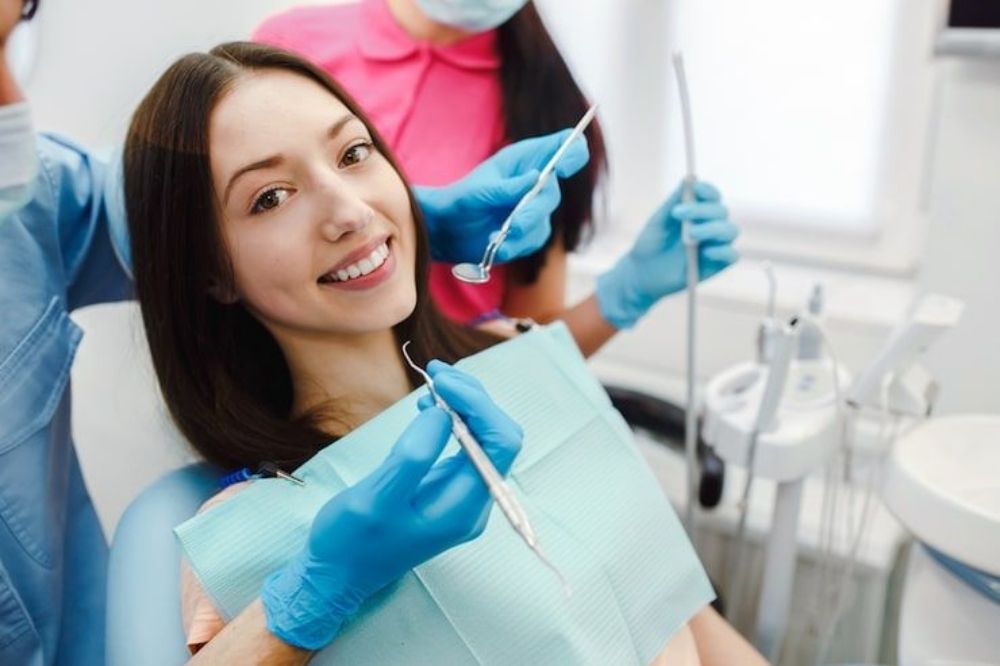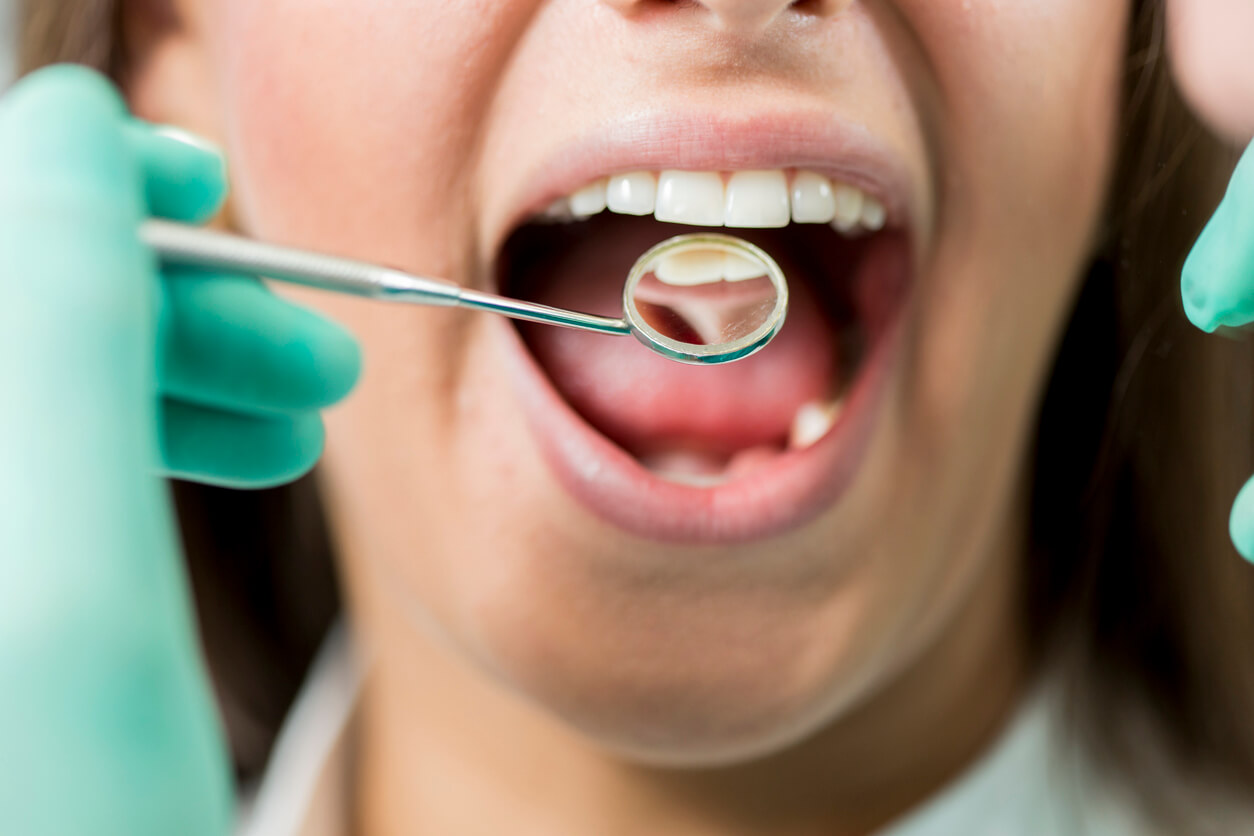

A study found that improving your smile through dental procedures can make you appear smarter, more successful, and more attractive. Participants rated photos before and after dental treatments, noting improvements in friendliness and wealth. The study revealed that 99.7% of Americans see a good smile as a vital social asset, and 96% find it appealing to the opposite sex.
If you’re thinking about boosting your smile, it’s important to decide between implants vs veneers. Knowing how each option works will help you choose what’s best for you.
What Are Veneers?
Thin, custom-made shells called dental veneers are designed to cover the front surface of your teeth. They’re a popular choice for enhancing your smile, and they are ideal for correcting minor cosmetic concerns like chipped, stained, or slightly crooked teeth.
Types of Veneers
- Porcelain Veneers: These are renowned for their durability and stain resistance, offering a long-lasting solution that closely resembles the natural look of teeth.
- Composite Resin Veneers: These veneers are more affordable and quicker to apply, making them a great choice for a faster smile makeover. They can be shaped right in your dentist’s office.
Application Process
- Consultation: Begin by meeting with your dentist to discuss your goals and see if veneers are the right choice to achieve your desired look.
- Preparation: To make room for veneers, a small amount of tooth enamel is gently removed from the front of your teeth. This step helps the veneers adhere properly and align seamlessly with your natural teeth and gums.
- Impression: To create custom-fitted veneers that match your unique smile, your trusted dentist will take an impression of your teeth to form a precise mold.
- Temporary Veneers: Temporary veneers can be placed to safeguard your teeth and give you a preview of your new smile while the final ones are being crafted.
- Bonding: When the final veneers are ready, they are carefully placed on your teeth and securely bonded with dental cement to ensure a lasting hold.
- Final Adjustments: The dentist will adjust the fit and appearance to ensure comfort and a natural look that enhances your facial features.
Pros and Cons of Veneers
Veneers offer a range of benefits and have some drawbacks to consider.
| Pros | Cons |
| Instantly enhance appearance by improving teeth that are chipped, stained, or uneven, giving you a more confident smile. | Do not address structural issues; they only cover the surface and do not fix underlying dental problems. |
| A minimally invasive procedure preserves most of your natural tooth. | It requires enamel removal, which is a small, irreversible step. |
| Porcelain veneers provide durability and resist stains, closely mimicking natural tooth enamel. | Potential for staining in composite veneers, which may also have a shorter lifespan. |
| Quick results with the process are often completed in just a couple of dentist visits, offering a swift transformation. | Periodic replacement is needed, as veneers typically last several years and may require eventual replacement or repair. |
| Ideal for minor corrections, addressing slight misalignment without orthodontics. | It is not suitable for major issues and is not recommended for those with serious dental health problems or significant decay. |
| Comfortable fit once in place, feeling like natural teeth and enhancing daily activities like speaking and eating. | Possible increased sensitivity, with some individuals experiencing heightened sensitivity to hot or cold temperatures. |
What Are Dental Implants?
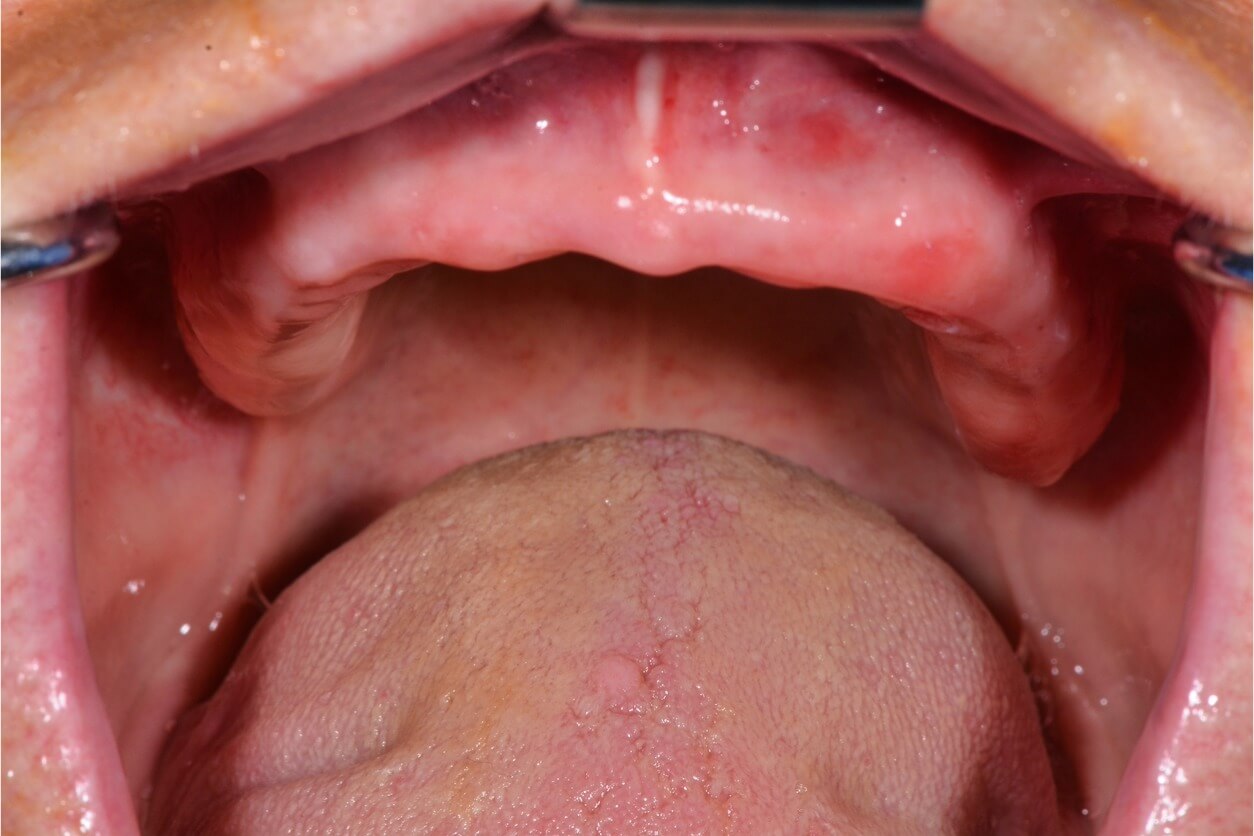
Implants, made of titanium, act as artificial tooth roots and provide a stable and strong foundation for replacement teeth. They’re an excellent choice for restoring your smile, especially if you have missing teeth that need a long-term solution.
Types of Implants
- Single Tooth Implants: Ideal for replacing individual missing teeth, offering a natural appearance and function.
- Implant-Supported Bridges: Suitable for multiple missing teeth, they bridge the gap while preventing bone loss.
- All-on-4 Implants: A complete set of teeth replaces an entire arch using only four implants, perfect for those missing all teeth in a jaw.
Implant Process
- Consultation: Start with a discussion with your dentist to outline your dental needs and determine if implants are the right choice. This step involves reviewing your overall dental health and talking about your goals for a restored smile.
- Preparation: Your dentist will assess your jawbone’s health to confirm it’s strong enough to support implants. This might include scans and X-rays. If the bone is insufficient, a bone graft may be needed to build up the area, providing a solid base for the implant.
- Implant Placement: In a surgical procedure, the titanium implants are carefully inserted into your jawbone. This step is essential as the implants act as artificial tooth roots, creating a foundation for future crowns.
- Healing Period: During this period, known as osseointegration, the bone fuses with the implants. This process, typically taking several months, makes sure that the implants become securely attached, providing a stable anchor.
- Abutment Placement: Once the healing process is finished, an abutment is attached to each implant by your dentist. This part links the implant to the final restoration, providing stability and function.
- Final Restoration: The abutment is then fitted with a custom-made restoration, like a crown, bridge, or denture. This final step, crafted to match your natural teeth in shape and color, restores both appearance and function, completing your smile transformation.
Pros and Cons of Dental Implants
Implants are a well-liked choice for replacing teeth, providing numerous benefits and some potential drawbacks.
| Pros | Cons |
| Long-lasting solution for tooth loss, with implants often lasting a lifetime with maintenance and proper care. Implants provide a stable foundation and can enhance your smile’s appearance for years to come. | A surgical procedure involving multiple stages is required, and it may not be suitable for everyone due to potential health risks or personal preferences. |
| Crafted to replicate natural teeth, implants provide the appearance and functionality needed for you to eat, speak, and smile confidently and comfortably. | Compared to options like dentures or bridges, implants usually have a higher upfront cost. |
| Implants integrate with the jawbone to support its health, avoiding bone loss and preserving facial structure and density. This integration contributes to long-term oral health. | An extended healing time, which can be lengthy and involve several months for the bone to integrate fully with the implant, delays immediate results. |
| Stability and comfort, offering a secure fit that enhances daily activities, unlike removable dentures, which can shift or cause discomfort. | It requires sufficient bone density in the jaw, and some individuals may need a bone graft, which requires additional procedures and time. |
| Implants preserve the natural structure and health of your smile because they don’t impact adjacent teeth or require altering them. | Although rare, complications such as implant failure or infection can occur, but they are often manageable with proper care and monitoring. |
Dental Implants vs Veneers: Key Differences
Here’s a clear comparison of veneers and implants to help you understand their different purposes:
| Feature | Veneers | Dental Implants |
| Purpose | Primarily for enhancing the appearance of teeth. Ideal for improving the look of healthy but uneven, chipped, or stained teeth. | Designed to replace missing teeth entirely. |
| Treatment Area | Applied to the front surface of existing teeth. | Acts as an artificial root to replace the entire missing tooth. |
| Material | Made from porcelain or composite resin for a natural appearance. | Constructed from titanium, integrates with the jawbone. |
| Longevity | Can last several years, though they may need replacement over time. | Provides a long-term solution, often lasting many years. |
| Application Process | Involves minimal preparation; it is directly placed on teeth. | Placing the implant involves a surgical procedure in the jawbone. |
| Functionality | Enhances aesthetic appeal but does not restore lost function. | Restores both function and appearance by replacing missing teeth. |
| Suitability | Ideal for those wanting to improve the look of their natural teeth. | Suitable for individuals with missing teeth needing replacement. |
Choosing Between Veneers and Implants
Choosing between veneers and dental implants involves evaluating several key factors. Here’s what to consider:
- Oral Health and Tooth Condition: Veneers improve the look of healthy teeth, while implants are best for replacing missing or severely damaged teeth. Talk to your dentist about any concerns to find a treatment that suits your needs.
- Multiple Teeth Needs: Decide if you need treatment for one tooth or multiple teeth. Implants can replace a single tooth or several teeth, while veneers are generally used for aesthetic improvements on multiple visible teeth. Think about your end goal and how each option can help you reach it.
- Budget and Insurance Coverage: Explore the costs associated with veneers and implants. Veneers might be less expensive initially, while implants have a higher upfront cost but offer potentially longer-term value. Review your dental insurance options and discuss payment plans if needed.
- Treatment Goals: Clarify your objectives. If your goal is mainly cosmetic, veneers might be the best choice. For functional restoration and durability, implants could be more suitable. Align the treatment with your personal goals for appearance and function.
- Longevity: Consider the durability and maintenance of each option. Veneers may need replacement every few years, while implants last much longer with proper care. Evaluate your willingness to commit to follow-up visits and maintenance.
- Lifestyle Impact: Consider how each treatment fits into your daily life. Implants involve a longer process but offer stability, while veneers provide immediate visual improvements.
- Time Commitment: Be aware of the time involved in each treatment. Implants require a longer treatment plan due to healing periods, while veneers can provide quicker results.
Consulting with a dentist is key to a professional evaluation to help you make the best decision for your smile and oral health.
Frequently Asked Questions
Choosing between veneers and dental implants can be complex. Here are some commonly asked questions that may help clarify your options:
Can You Combine Both Dental Implants and Veneers?
Yes, it’s possible to use both treatments in combination. For example, if you have missing teeth that need implants and other teeth that merely need cosmetic improvement, veneers can complement implants to enhance your entire smile.
Which Is More Painful: Dental Implants or Veneers?
Pain levels can vary for each person. Dental implants involve a surgical procedure, which may lead to discomfort during recovery. Veneers, being less invasive, typically cause minimal discomfort. Your dentist can discuss pain management options tailored to your situation.
Let’s Craft Your Ideal Smile Together: Call Us Today!
If you’re thinking about enhancing your smile, whether with veneers for cosmetic improvements or implants for replacing missing teeth, we’re here to help. At Dunedin Family Dentistry, our team is dedicated to providing personalized options that meet your dental needs and cosmetic goals.
A consultation with us will guide you toward the best choice for a confident, beautiful smile. Contact us today to schedule your appointment, and let’s take the first step together in transforming your smile.