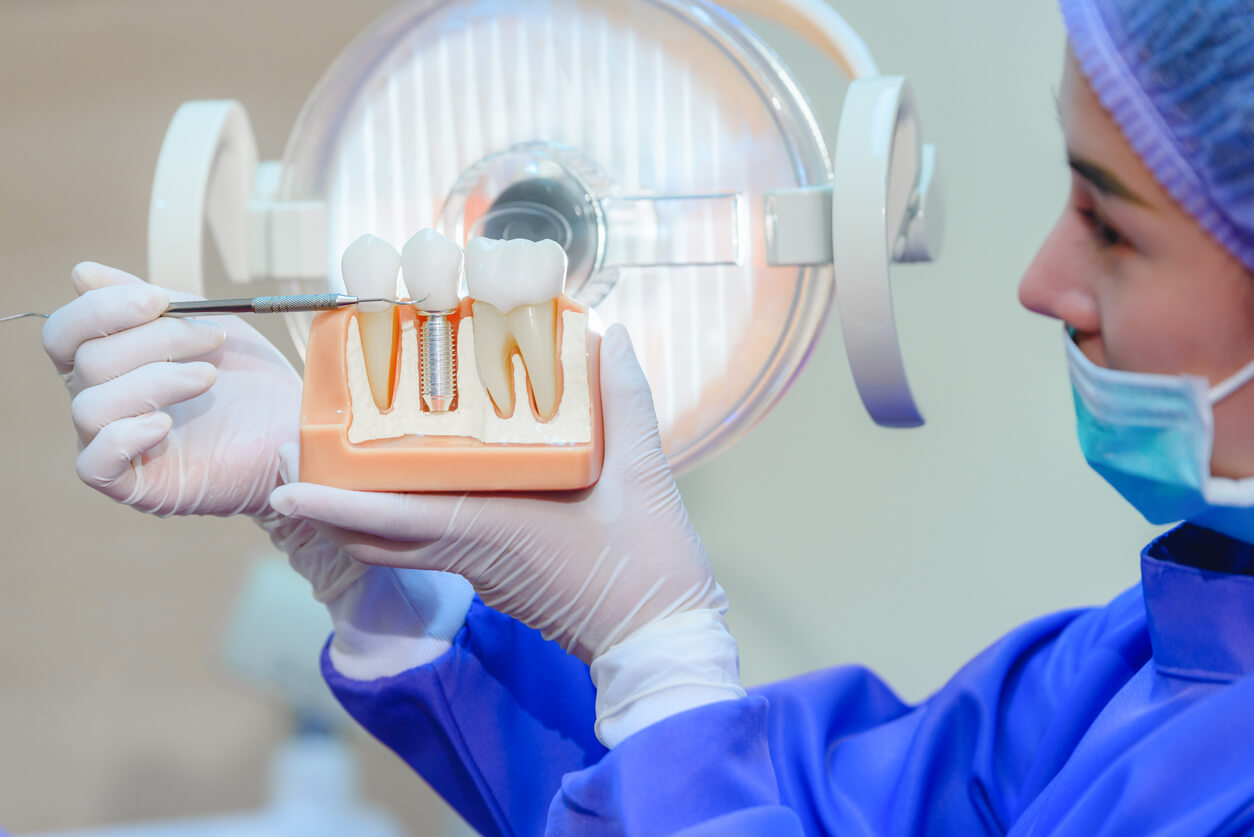
Dental implants are a robust solution for individuals seeking to replace missing teeth, providing enhanced functionality and visual appeal. They replicate the role of natural tooth roots, providing a strong foundation for replacement teeth and allowing you to enjoy a restored smile confidently. Proper knowledge of the different materials used in dental implants, such as titanium and zirconia, is essential for making informed decisions about oral health.
By familiarizing yourself with these components, you can discuss options with your dentist and tailor a personalized treatment plan that best fits your needs and preferences. Whether you prioritize durability, aesthetics, or biocompatibility, exploring these materials equips you with the knowledge to pursue optimal dental care solutions.
Implant Materials
Implant Post
The implant post, often referred to as the implant screw, serves as the foundation for dental implants. While traditionally made from titanium, a metal renowned for its superior strength, durability, and biocompatibility, modern implant posts are also available in zirconia.
Zirconia implants offer a metal-free alternative that’s particularly beneficial for patients with metal sensitivities or those preferring holistic dental treatments. This ceramic material provides excellent biocompatibility and osseointegration properties, while its white color can prevent potential grayish discoloration near the gumline that may occur with titanium implants. Both materials have demonstrated successful long-term clinical outcomes, though titanium remains the more widely used option due to its longer track record and extensive research backing.
Dental implant posts are surgically inserted into the jawbone, where they bond naturally through a process called osseointegration, establishing a stable and secure base for the replacement tooth. The successful integration of the implant post with the jawbone mimics the natural support of a tooth root, providing the necessary stability for daily activities like chewing and speaking.
Abutment
The abutment acts as a vital connector between the implant post and the dental crown, playing a vital role in the dental implant’s functionality. Crafted from durable materials such as titanium or ceramic, the abutment is strategically placed after the post has successfully integrated with the jawbone, serving as an intermediary that securely connects the post to the visible crown.
This component is essential in ensuring the crown remains firmly attached, allowing for smooth, natural movements and an aesthetically pleasing appearance. Besides its functional role, the abutment may also influence the customization of the crown, including its shape, color, and size, to confirm a seamless blend with the patient’s natural teeth.
Replacement Teeth
The replacement teeth are the visible portion of the dental implant that replicates the appearance and function of natural teeth. They can be customized in several forms:
- Crowns. Crowns are individual tooth replacements that attach to a single implant post. Made from materials like porcelain or ceramic, they’re carefully crafted to match the color, shape, and size of surrounding natural teeth, providing a seamless and natural-looking solution for single-tooth replacement.
- Bridges. These are designed to replace multiple adjacent missing teeth using fewer implant posts than the number of teeth being replaced. These prosthetic devices are anchored by implants on either end and contain pontics (artificial teeth) in between, offering a stable and permanent solution for multiple missing teeth.
- Dentures. Dentures can be secured using multiple implants to replace an entire arch of teeth. These implant-supported dentures provide significantly more stability than traditional removable dentures, allowing patients to eat, speak, and smile confidently while preventing the bone loss commonly associated with conventional dentures.
Why Titanium Is Commonly Used
Titanium is widely regarded as the preferred material for dental implants thanks to its numerous advantageous properties that confirm successful and long-lasting results. Here’s why titanium is commonly used in dental implants:
- Biocompatibility. Titanium is well-tolerated by the body and does not cause adverse reactions, making it a safe choice for most patients needing dental implants.
- Osseointegration. Titanium has the unique ability to fuse directly with bone through osseointegration. This forms a stable foundation for the dental implant, much like a natural tooth root.
- Strength and Durability. Titanium is a strong yet lightweight metal that can withstand the forces of chewing and daily use, providing a long-lasting solution for tooth replacement.
- Corrosion Resistance. Titanium is highly resistant to corrosion from acids, making it ideal for the moist environment of the mouth, where exposure to saliva and other factors could otherwise lead to deterioration.
- Versatility. Titanium is suitable for various dental implant procedures, accommodates different implant designs, and can be used in patients with varying bone density levels.
- High Success Rate. Due to its reliable properties, titanium dental implants have a high success rate, giving patients confidence in their implant’s longevity and performance.
All these characteristics make titanium a benchmark material in implant dentistry, contributing significantly to smiles’ efficient and lasting restoration.
Alternatives to Titanium
Zirconia implants are gaining popularity as a strong and aesthetically pleasing alternative to traditional titanium implants, owing to their tooth-colored appearance that closely mimics natural teeth. This feature makes them particularly desirable for patients seeking a more seamless integration into their smile, avoiding any metallic glimpses that might occur with titanium. In addition to their cosmetic advantages, zirconia implants are hypoallergenic, which is beneficial for patients with sensitivities or metal allergies.
The ceramic material is also known for its biocompatibility, providing a stable integration with the jawbone and supporting the health of the surrounding tissues. Furthermore, zirconia’s resistance to corrosion and plaque accumulation makes it an excellent choice for maintaining oral hygiene and long-term implant success.
Factors Influencing Material Choice
Patient’s Bone Density and Quality of Natural Bone
When selecting dental implant materials, the patient’s bone density and natural bone quality are essential. High bone density can often accommodate a broader range of materials, whereas lower density may require materials with superior osseointegration properties, like titanium, which are better suited for promoting bone growth and stability.
Presence of Medical Conditions or Gum Disease
Certain medical conditions, such as diabetes or autoimmune diseases, can impact healing and the integration of dental implants. Similarly, gum disease may need particularly biocompatible materials capable of minimizing inflammation. A thorough assessment of the patient’s health is essential to establish a successful implant outcome.
Potential for Allergic Reactions to Specific Materials
Some patients may be allergic to certain metals or materials used in dental implants. For individuals with specific allergies, alternatives like zirconia offer a hypoallergenic option that reduces the risk of adverse reactions and confirms safety throughout the implant process.
Dental Professional Recommendations Based on Surgical Procedures
Dental professionals consider the type of surgical procedure and individual patient needs when recommending implant materials. Their expertise guides the selection process, ensuring that the chosen material meets aesthetic desires and supports optimal functional integration tailored to the patient’s unique oral anatomy and lifestyle.
Find Your Perfect Smile Solution With the Experts at Dunedin Family Dentistry
Knowing “what material are dental implants made of” is important for those considering dental implant surgery. Each option offers unique benefits, from titanium to alternative materials like zirconia dental. Consultation with an oral surgeon will help you choose the most suitable material for your needs.
If you’re considering dental implants or want to explore your options for a healthier, more confident smile, look no further than Dunedin Family Dentistry. Our experienced team is dedicated to providing personalized care tailored to meet your unique dental needs. We prioritize patient comfort and use state-of-the-art technology to make sure the best outcomes for your oral health.
Contact Dunedin Family Dentistry today to experience exceptional care in a welcoming and professional environment.