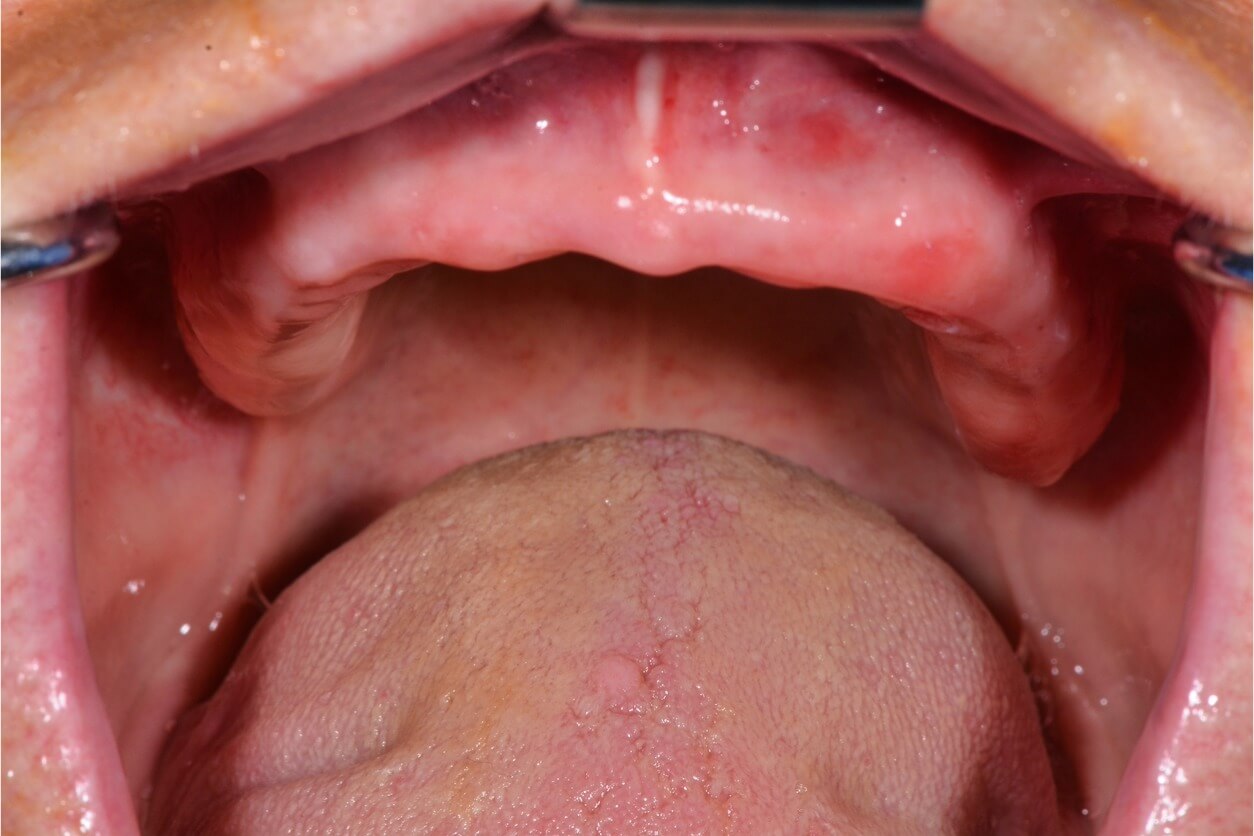

Dealing with temporomandibular joint (TMJ) disorder or TMD can be a daily challenge, affecting everything, from your ability to enjoy a meal to getting a good night’s sleep. TMD symptoms often vary more than people realize, and the process of navigating insurance coverage for treatment can add to their frustration. However, this shouldn’t be the case.
This guide simplifies the process, offering clear and concise insights into the types of insurance coverage available for TMD management.
What Are TMJ Disorders?
TMJ disorders involve issues with the joints connecting the lower jaw to the skull. These joints are essential for everyday movements like talking, chewing, and yawning. When something goes wrong with the joints or surrounding muscles, it can lead to pain, stiffness, or limited jaw movement.
Common symptoms of TMD include:
- Jaw pain or tenderness
- Clicking or popping sounds when opening the mouth
- Headaches
- Earaches
- Difficulty chewing
The causes can vary and may include jaw injuries, arthritis, chronic teeth grinding or clenching (bruxism), and even prolonged stress that leads to muscle tension. In some cases, TMD may contribute to or be confused with conditions like trigeminal neuralgia due to overlapping nerve pathways.
Types of TMD Treatments
Before exploring insurance, it’s essential to understand the different TMD treatments. They often require personalized plans based on symptom severity and underlying causes.
Here are some common treatment options:
|
Treatment Category |
Option |
Purpose/Description |
|---|---|---|
|
Medications |
Pain Relievers |
Over-the-counter (e.g., ibuprofen) or prescription medications to reduce inflammation and relieve pain. |
|
Muscle Relaxants |
Help ease jaw muscle spasms and tension. |
|
|
Anti-Anxiety Medications |
Used when stress or anxiety contributes to TMD symptoms. |
|
|
Therapies |
Physical Therapy |
Exercises to improve jaw mobility, strength, and function. Often used in combination with other treatments. |
|
Occlusal Splints |
Custom-made mouthguards are worn at night to reduce grinding and joint strain. |
|
|
Counseling |
Cognitive-behavioral therapy can help reduce stress and manage behaviors that worsen symptoms. |
|
|
Invasive Procedures |
Injections |
Corticosteroid or botulinum toxin injections to reduce inflammation and pain in the joint. |
|
Surgical Options |
Reserved for severe cases; may include joint surgery or corrective procedures when conservative treatments fail. |
How Much Do TMD Treatments Cost?
TMD treatment costs can vary widely depending on the provider, location, and severity of your condition. However, it ranges from hundreds to potentially thousands of dollars, particularly if advanced procedures are involved. That’s why you should be familiar with what’s covered so you can plan ahead and manage potential financial burdens.
Insurance Coverage for TMD Management
Dental and medical insurers both play roles in TMD treatment coverage. It typically depends on specific medical necessity and eligibility criteria:
- Diagnostic Tests. Health coverage often covers crucial diagnostic tools like X-rays and MRIs, providing evidence of effectiveness in forming detailed treatment plans for TMJ disorders.
- Medications. Coverage often includes various medications aimed at reducing TMD-related symptoms. These might include muscle relaxants and pain management prescriptions for managing pain in patients.
- Physical Therapy. A common non-surgical treatment option covered by medical insurance involves exercises to improve jaw mobility, reduce pain, and strengthen the jaw muscles.
- Possible Surgical Interventions. Insurance typically covers surgery only after all conservative treatments have failed, and pre-authorization is often required. Some insurers exclude TMJ disorder surgery entirely.
Factors That Affect Coverage
Health coverage varies due to multiple factors:
- Policy Specifics. Insurance policies have unique terms. It’s crucial to read your policies thoroughly.
- Pre-existing Conditions. Coverage for conditions like TMD may be limited, especially in non-ACA-compliant plans. Check your policy’s pre-existing condition clauses.
- Provider Networks. Using in-network providers often reduces pocket costs.
What Insurance Covers TMD Treatment?
Navigating insurance for temporomandibular disorders (TMD) can be confusing. That’s because TMD care often falls into a gray area between medical and dental insurance. While one plan may cover physical therapy or imaging, another may only pay for a night guard, and some may exclude TMJ-related treatment altogether.
Understanding how your plan defines medical necessity, what services are eligible, and how claims are processed can make a significant difference in getting coverage and avoiding surprise costs.
Medical Insurance Coverage
In many cases, medical insurance is more likely to cover treatments if your TMD is considered a medically necessary condition. This means it causes significant pain, impairs daily function, or is related to injury, inflammation, or structural joint problems.
Coverage may include:
- Physical therapy
- Imaging studies (like X-rays or MRIs)
- Medications (e.g., muscle relaxants, anti-inflammatories)
- Specialist visits (oral surgeons, neurologists, orofacial pain experts)
- Intra-articular injections
- Surgery (in severe cases)
Examples of Medical Insurance Providers
- Blue Cross Blue Shield (BCBS). Often provides partial coverage for medically necessary TMJ care with supporting documentation.
- Aetna. It may cover diagnostic imaging, physical therapy, and surgery with prior authorization.
- UnitedHealthcare. Coverage varies widely by plan and often excludes dental appliances unless tied to a medical diagnosis.
- Cigna. Typically covers conservative care like medications and physical therapy; bite appliances may require extensive documentation.
Dental Insurance Coverage
Dental insurance generally covers services that focus on oral structures, so TMD coverage tends to be limited. Most plans will pay partially for:
- Occlusal splints (bite guards)
- TMJ-specific dental exams
- Basic imaging (panoramic X-rays)
Examples of Dental Insurers
- Delta Dental. Some plans include limited appliance coverage but typically exclude medical-based treatments.
- Guardian and MetLife. May offer optional riders or higher-tier plans that include partial TMJ appliance coverage.
How Does the Insurance Process Work?
Dealing with insurers can be complex. Understanding the insurance process and what services are covered under your policy requires:
- Reviewing Coverage Options. Examine the dental insurance policies and health insurance coverage options provided by your insurer. Check for details about TMD-related treatments, including whether they fall under primary or separate procedures, if there’s coverage for non-surgical treatments and any exclusions.
- Understanding Criteria and Eligibility. Insurers often require documentation to prove medical necessity and eligibility. Ensure you have scientific evidence or a clinical study to support your case, whether concerning conservative treatment or more invasive options.
- Consulting With Specialists. Consulting with orofacial pain specialists or oral surgeons can provide insights into which treatments may be necessary and covered. These professionals can offer evidence and help meet the insurer’s medical necessity criteria.
- Managing Out-of-Pocket Costs. Even with insurance, patients may face out-of-pocket expenses. Options like Care Credit or using credit cards might help manage these costs. It’s advisable to explore various financial assistance programs that could mitigate these expenses.
What to Watch ForBecause coverage varies so widely, it’s important to:
|
What Can You Do if Your Claim Is Denied?
- Consult Your Benefits Coordinator: They can guide you to the appropriate contacts within your insurance company.
- Document Your Interactions: Keep records of all communications with your insurance company and healthcare providers.
- Contact a Claims Supervisor: They might offer additional insights if the initial customer service interaction is unhelpful.
- Explore Your Plan’s Appeals Process: Filing an appeal might be necessary, requiring a detailed revisit of the claims process.
- Consider Legal Assistance: Consulting an attorney who specializes in insurance claims may help when all else fails.
Why Compare Dental Plans for Comprehensive Coverage?
Not all dental insurance plans offer equal support for conditions like TMJ disorders. Comparing your options helps ensure you choose a plan that truly meets your needs.
Here are key factors to consider:
|
Key Consideration |
Coverage Insights |
|
Compare Plans Side by Side |
Don’t assume all plans cover the same treatments. Look for those that include a full range of TMD-related services—such as intra-articular injections, physical therapy, and custom splints. A side-by-side comparison highlights what each plan actually offers. |
|
Medical Necessity Criteria |
Every insurer defines “medical necessity” differently. Reviewing these definitions ahead of time can help you avoid denied claims for essential TMD care. |
|
Network of Providers |
Make sure the plan includes access to experienced professionals, including orofacial pain specialists and oral surgeons. A broader provider network improves your chances of receiving expert care without needing out-of-network approvals. |
|
Out-of-Pocket Costs |
Some plans may appear affordable upfront but come with high copays or limited coverage for specialty treatments. Comparing plans helps you anticipate and reduce unexpected expenses for critical TMD services. |
Get the Support You Need: Reach Out for TMD Assistance
Living with TMJ issues can turn simple tasks, like eating or speaking, into daily challenges. But finding the right support can make all the difference. Understanding your treatment options and insurance coverage is your first step toward finding relief.
At Dunedin Family Dentistry, we’re here to help you navigate both. From personalized care plans to guidance on your benefits, our team is ready to support you every step of the way.
Schedule a consultation today to book a consultation!