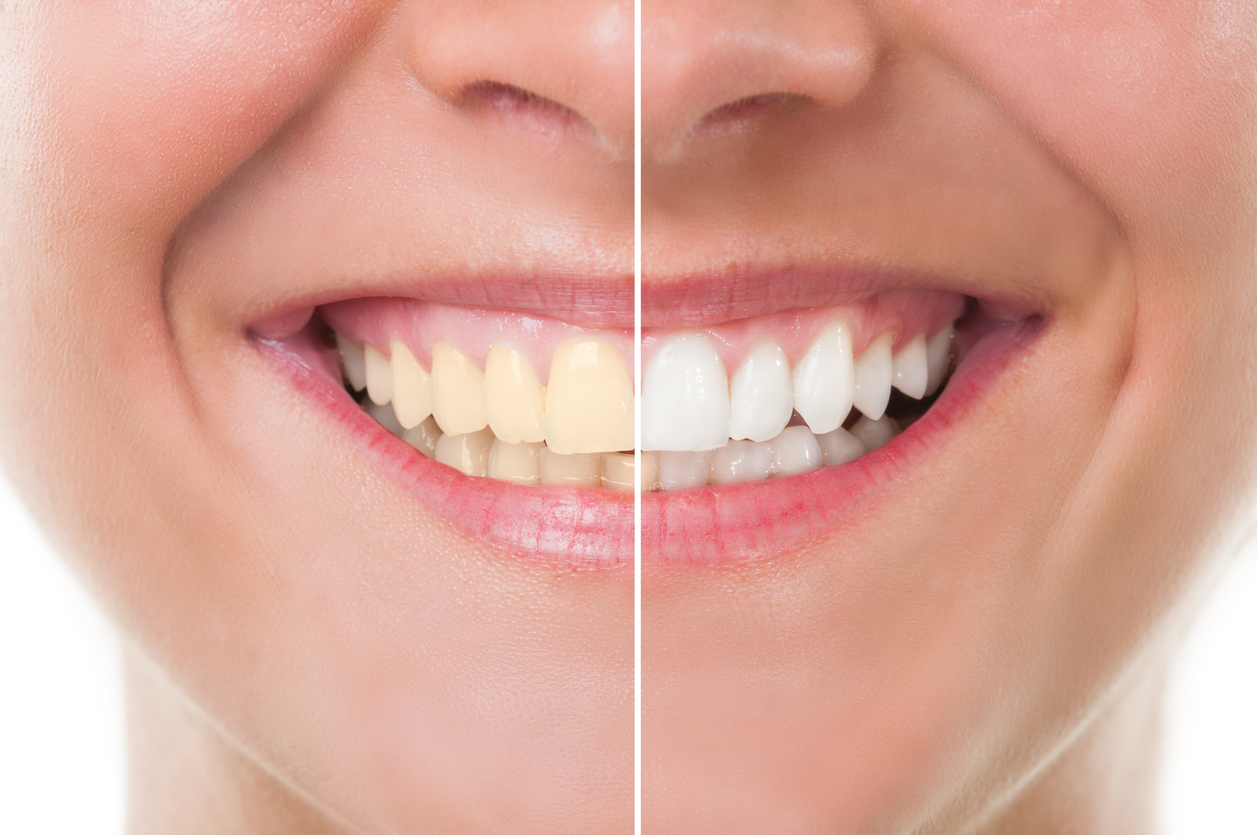
Achieving a bright, white smile is like unveiling a new version of you—where confidence soars and first impressions become unforgettable. If you’ve just invested in professional teeth whitening, keeping those results sparkling is likely at the top of your to-do list. The secret? It’s all about what you eat. Some foods can dim the shine of your smile, while others can help illuminate it, preserving the effects of your whitening treatment.
The impact of your diet on your newly brightened smile might surprise you. Certain foods and drinks can cause discoloration, yet others can support a radiant and healthy look. For those eager to maximize their whitening results, understanding this connection is a game-changer.
Whether you need immediate suggestions for soft, safe foods or tips on making smart, long-term food choices, our guide will help keep your smile brilliant and your confidence beaming.
How Does Your Diet Affect Teeth Whitening Results?
Your diet plays a crucial role in the longevity of your teeth whitening results. Consuming dark-colored foods and drinks, like coffee and red wine, can lead to surface stains that diminish the brightness of your smile. Acidic foods and drinks can weaken tooth enamel, making it more susceptible to discoloration.
On the other hand, incorporating light-colored foods, such as chicken and white rice, helps maintain the whiteness of your teeth. Choosing the right dietary options is key to keeping your smile bright and healthy after a whitening procedure.
What Should You Eat Right After Teeth Whitening?
Soft Foods
After undergoing a teeth whitening treatment, your teeth may be a tad sensitive. To ensure optimal oral health and maintain that bright smile, choosing the right foods is crucial. Soft foods are not only gentle on sensitive teeth, but they are less likely to cause tooth discoloration or surface stains, helping to keep your white teeth intact. By opting for these foods, you can enjoy a whiter smile without sacrificing your favorite foods in the long run.
Here’s a list of soft, safe, and delicious foods to consider:
- Egg Whites
- White Cheese
- Plain Yogurt
- Mashed Potatoes
- White Bread
- White Rice
- Bananas
- White Sauces
- Oatmeal
- Steamed White Fish
Hydration Choices
Hydration is vital for maintaining good health, and selecting the right beverages can make a significant difference. Here’s a quick list of top hydration choices:
- Water
- Herbal teas
- Fruit-infused water
- Coconut water
Which Foods Are Best to Avoid After Whitening Your Teeth?
When managing your diet after teeth whitening, it is crucial to be mindful of the foods and beverages that may compromise your bright smile. It’s essential to know what not to eat after teeth whitening, as certain items could cause tooth discoloration and sensitivity or negatively affect tooth enamel. Being selective about what you consume will help maintain your whitening results longer and keep that coveted white smile intact.
Acidic Foods
Acidic foods can be particularly harsh on your tooth enamel, making your recently whitened teeth more susceptible to discoloration and sensitivity. Such foods include:
- Citrus Fruits. Oranges, lemons, limes, and grapefruits should be eaten with caution.
- Vinegar-Based Foods. Items like pickles and many salad dressings can be rough on enamel.
- Processed Sauces. Tomato sauces, for instance, are acidic and contain pigments that can cause stains.
Sugary Treats
High sugar content can lead to the formation of plaque, which is harmful to both tooth enamel and the whitening process:
- Candies and sweets. Especially those that are sticky or chewy.
- Sugary Cereals and snacks. Often contain food coloring that leaves surface stains.
- Baked Goods. Chocolates, pastries, and cookies with rich fillings.
Dark-Colored Beverages
Certain beverages are notorious for leaving dark pigment stains on whitened teeth:
- Black Coffee and Teas. They are known for their tannins, which stain teeth over time.
- Red Wines. The dark nature and acidity can cause staining and weakening of tooth enamel.
- White Wines. Even though it’s lighter in color, white wine can also erode enamel.
- Dark Juices. Drinks like cranberry and grape juice are both deeply pigmented and acidic.
What Are the Best Tips for Achieving Long-Lasting Whitening Results?
Maintain a Consistent Oral Hygiene Routine
A consistent oral hygiene routine is essential for maintaining a white smile. Brush with a toothpaste designed for whitening to help remove food and beverage stains, especially those from pigmented food and carbonated drinks, which can lead to discoloration. Don’t forget to floss daily to eliminate particles between teeth that can contribute to discoloration, and consider using an antibacterial mouthwash to reduce plaque buildup.
To further promote oral health and reduce tooth sensitivity, try incorporating a white diet with plenty of light-colored fruits and lean proteins while minimizing sugary foods and drinks. Also, remember to drink plenty of water to help wash away food particles and keep your mouth clean.
Avoid Stain-Causing Foods and Drinks
Dark-colored foods and beverages mentioned above can cause tooth discoloration. When enjoying meals that include sweet potatoes, light color vegetables, balsamic vinegar, or black beans, be mindful of their potential to contribute to staining. Limit your consumption of these items or use a straw to minimize contact with teeth, maintaining a healthy diet that supports your pearly whites.
Also be mindful of the strong pigments found in soft drinks and certain foods, as well as the effects of hot and cold food, which can also contribute to dental staining. If you indulge, rinse your mouth with water afterward to wash away pigments before they settle.
Use Whitening Touch-Up Treatments
Periodic touch-up treatments can help prolong the whitening process results. Your dentist can recommend whitening gels or strips for use at home to maintain your bright smile. Implement these treatments as advised, ensuring they align with your overall dental care routine. By staying consistent with these touch-up treatments, you can effectively combat everyday stains and maintain the radiant appearance of your teeth.
How Long Should You Avoid Dark-Colored Foods and Drinks?
It’s generally recommended to avoid dark-colored foods and drinks for at least 48 hours after a whitening treatment. During this time, your teeth are more porous and susceptible to staining from items like dark sodas, dark fruits, fruit juices, coffee, and red wine. Tobacco products and even treats like ice cream can also contribute to staining.
Additionally, being cautious of what you eat not only impacts teeth color but can also help prevent gum disease, especially if a poor diet source of protein is ignored. Avoiding these can help maintain the brightness of your smile. This initial period is crucial for setting a strong foundation for lasting results. By being mindful of your food and beverage choices, you enhance the longevity of your whitening effects.
Common Questions Asked After a Teeth Whitening Procedure
Are french fries ok after teeth whitening?
French fries can be consumed after teeth whitening, but it’s best to enjoy them in moderation. Their light color means they are less likely to stain, although the oil and salt can irritate sensitive teeth or gums following treatment. It’s important to be aware of any discomfort when consuming them, as the texture might cause sensitivity. To minimize any adverse effects, make sure to brush or rinse your mouth after eating.
Can I eat mac and cheese after teeth whitening?
Mac and cheese can be a suitable option after teeth whitening due to its relatively light color. The creamy, soft texture is gentle on your teeth, which may be sensitive post-treatment. However, consider the ingredients used; artificial coloring could affect the newly whitened teeth. Opting for homemade versions with natural ingredients would be better to maintain the brightness of your smile.
Can I eat toast with butter after teeth whitening?
Toast with butter is generally safe to eat after teeth whitening. The light color of the bread and butter limits the risk of staining your teeth. However, it’s wise to consider the type of bread you choose—opting for white or lightly toasted bread is ideal over darker, wholegrain options. Keep an eye on the temperature, too, as hot toast might trigger sensitivity in the early days following your whitening procedure.
Maintain Your White Smile With Pro Tips From Dunedin Family Dentistry!
Achieving and maintaining a bright, white smile is a journey that extends beyond the dentist’s chair and into your daily routine. By consciously choosing foods and drinks that support your whitening results, you ensure your smile stays vibrant and healthy. Regular brushing and flossing, along with routine dental check-ups, play a crucial role in sustaining those whitening results over time.
Excited about enhancing your smile? Reach out to Dunedin Family Dentistry, where expert advice and personalized care await you. Our dedicated team is here to help your confidence reach new heights with a smile that dazzles you for years. Let us be your partner in achieving the radiant smile you’ve always dreamed of—your brighter smile journey begins with us!