Are you aware of the best foods for recovering from wisdom teeth removal? Selecting the right foods can greatly enhance your healing process and comfort. This recovery phase can be overwhelming, so we’ve created this article to guide you through post-surgery care.
What Is Wisdom Teeth Removal?
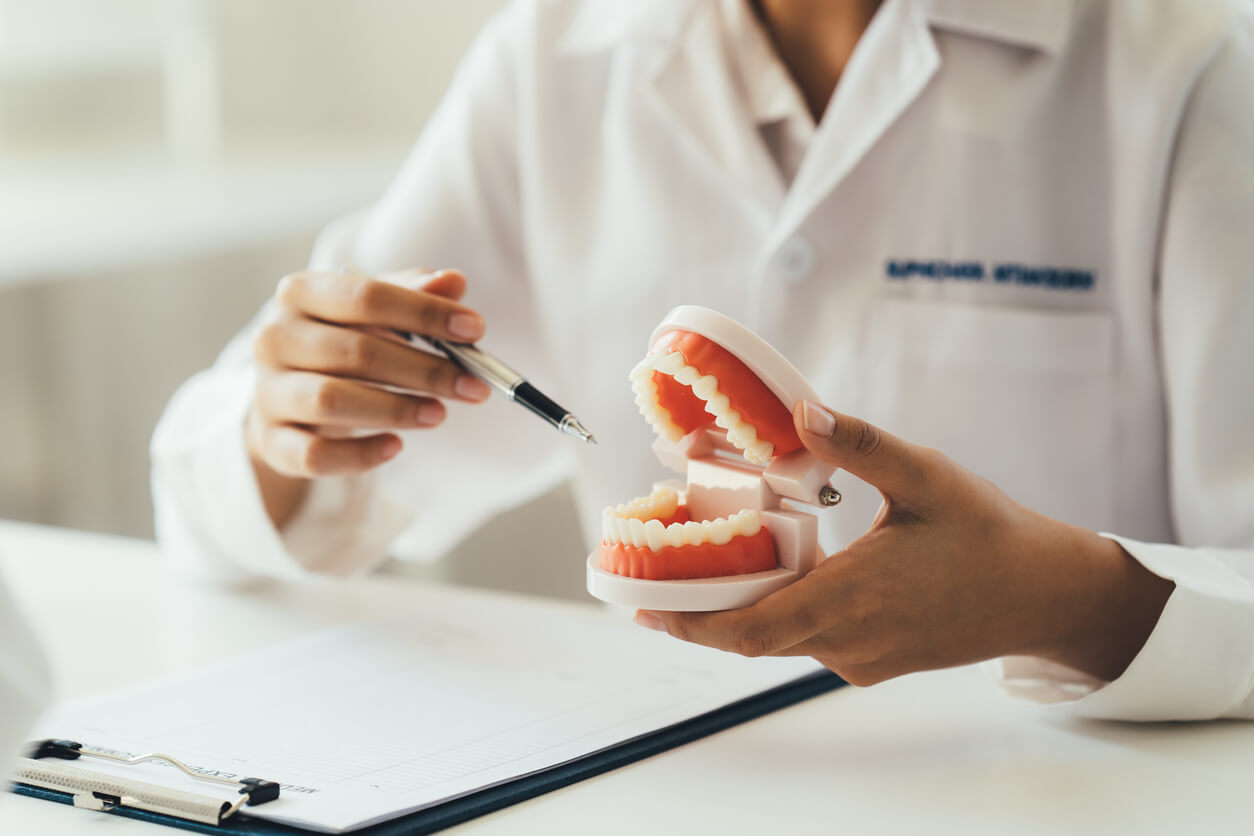
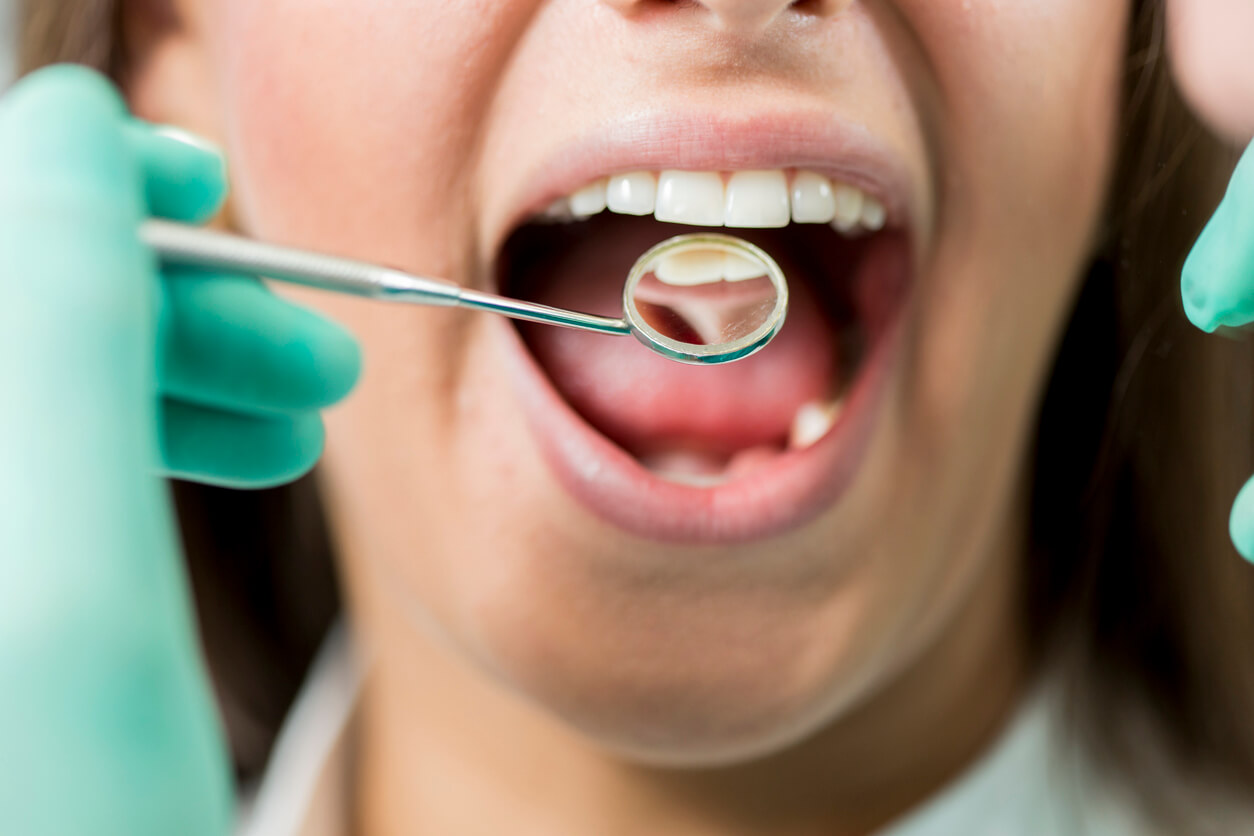
Wisdom teeth removal or extraction is a procedure to remove one or more of your third molars. These teeth usually erupt during late adolescence or early adulthood and can occasionally cause problems such as overcrowding, impaction, or infection, requiring their extraction. An oral surgeon typically performs this procedure to minimize complications.
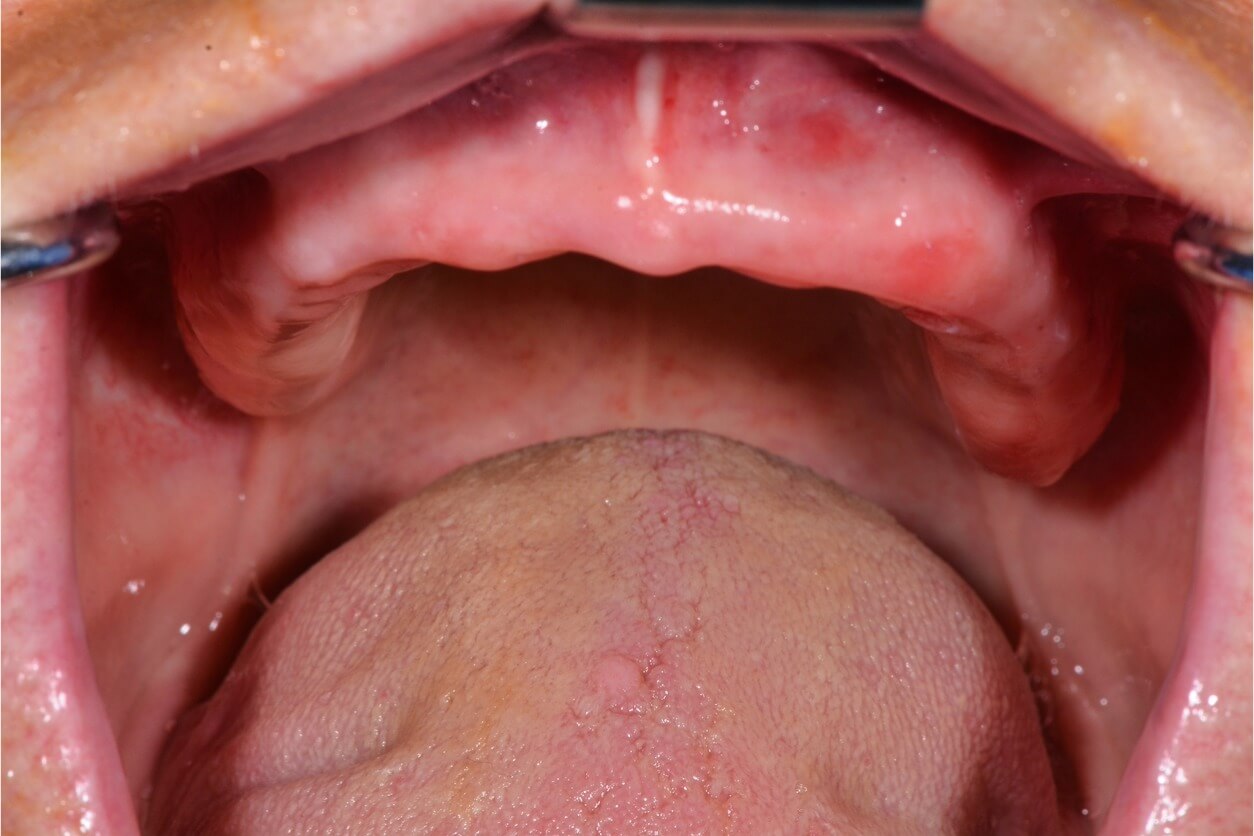
After surgery, it’s essential to follow a structured recovery plan to support tissue healing and prevent potential complications like dry sockets or intense pain at the surgical sites.
What to Eat After Wisdom Teeth Removal?
Soft Foods
After getting your wisdom teeth removed, it’s important to stick to soft foods to prevent irritating the extraction sites. Soft foods are easier to chew and reduce the risk of disturbing the blood clot, which is essential for healing.
- Mashed Potatoes. This comfort food offers a smooth texture that is ideal for the days following wisdom tooth removal. You can add butter or gravy to make them more flavorful, but avoid anything too spicy or hot.
- Greek Yogurt. Packed with protein, Greek yogurt provides an excellent source of nutrients without requiring extensive chewing. Its creamy texture is soothing on sore gums. You can choose plain yogurt or one with soft fruit mixed in for added flavor and nutrition.
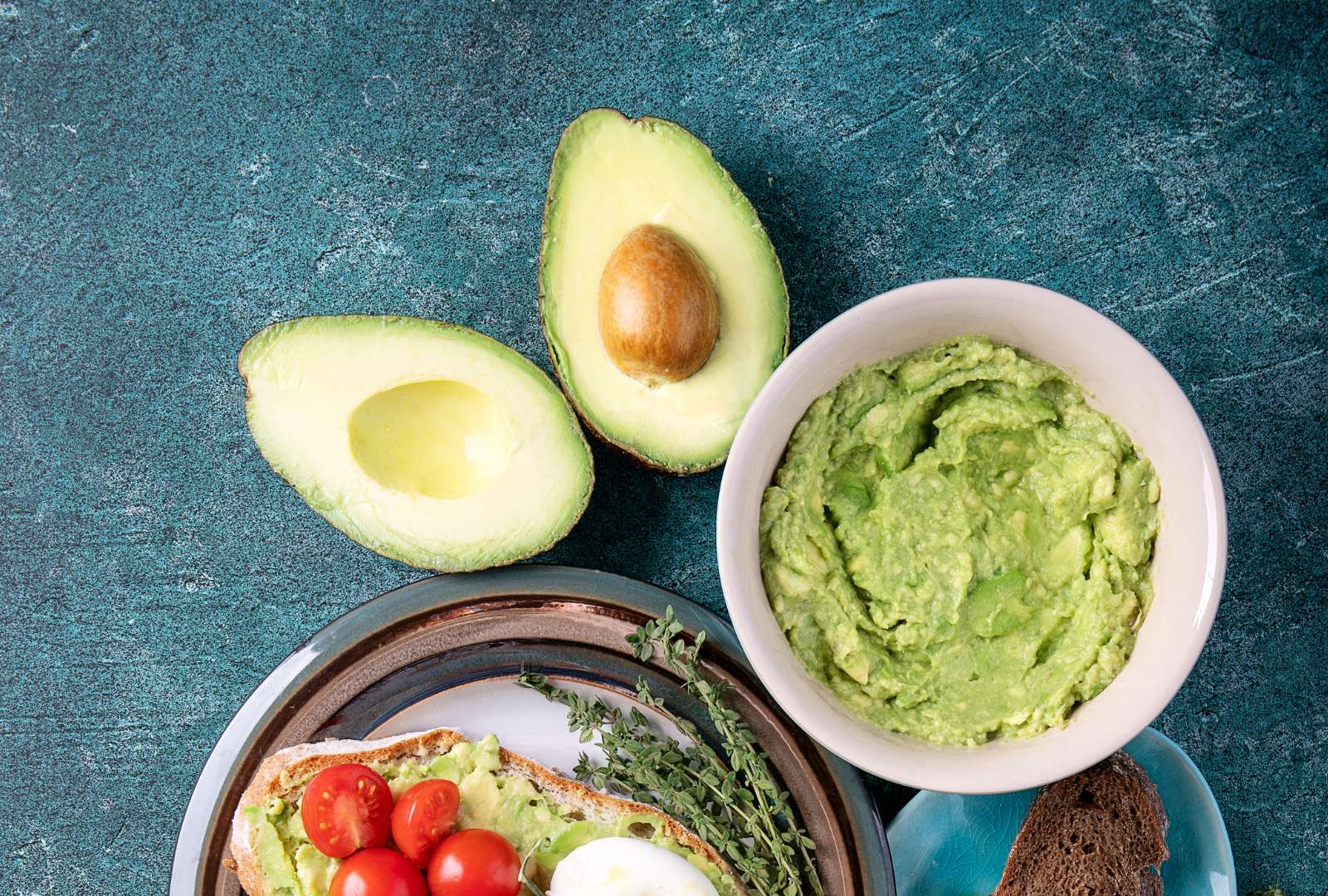
- Mashed Avocados. Avocados provide healthy fats and a smooth consistency that’s easy to eat. You can season them lightly with salt or blend them into a smooth guacamole. Their creamy texture makes them ideal for post-surgery recovery.
- Ice Cream. While it’s a treat, ice cream also helps reduce swelling. Choose non-crunchy types without nuts or hard pieces. Opt for flavors without large mix-ins that might be difficult to chew.
- Baby Food. Pre-puréed and available in various flavors, baby food can keep your diet interesting yet safe. It’s designed to be easy to swallow and digest, making it a convenient option during recovery.
- Soft Noodles. Ramen noodles or other soft pasta can be a good transition food. Cook them until very soft, and avoid adding any crunchy toppings. They can be seasoned with mild sauces that aren’t too acidic or spicy.
- Sweet Potato. Mashed or boiled sweet potatoes offer a variety of flavors and are gentle on your gums. They are also packed with vitamins and can be seasoned with a bit of cinnamon or honey for added taste without irritation.
- Soft Bread. Avoid crusty or hard bread; opt for soft bread such as pita bread. You can enjoy it plain or with a spread of soft butter or cream cheese.
Liquid Diet
During the initial hours after surgery, you may find that a liquid diet is the most manageable. This type of diet aids in keeping you hydrated and ensures that your nutrient intake remains adequate.
- Blended Soups and Broths. Creamy or puréed soups like leek soup or warm broths can be soothing options. They are easy to swallow and packed with vegetables and proteins for a nutritious meal. Make sure they are lukewarm and not too hot to avoid irritating the wound. Blended vegetable soups, chicken broth, and beef broth are excellent choices.
- Fruit Juice. While ensuring it’s not acidic to avoid irritating the wound, fruit juice can be a refreshing way to stay hydrated. Apple juice, pear juice, and other non-citrus juices are good choices.
- Protein Shakes. Using protein powder, these shakes can help maintain your protein intake and support healing. They can be blended with milk or a milk substitute and can include soft fruits like bananas for added nutrition.
- Smoothies. Blended with seedless fruits and vegetables, smoothies offer a variety of nutrients while being easy to consume. Consider using ingredients like bananas, berries (seedless), spinach, and yogurt to make nutrient-dense smoothies that support your recovery.
What Not to Eat After Wisdom Teeth Removal?
Hard or Crunchy Foods
Recovering from a wisdom teeth removal procedure requires careful attention to your diet to avoid complications and ensure a smooth healing process. Crunchy foods like chips, nuts, and other similar items should be avoided because they can easily get stuck in the extraction sites, potentially causing infections.
Likewise, hard foods such as raw vegetables and tough meats require significant chewing effort, which can be harmful to the healing process and may lead to discomfort or complications.
Spicy or Acidic Foods
Spicy foods can irritate your healing gums and extraction sockets, exacerbating any pain or sensitivity you might already be experiencing. Similarly, acidic foods and beverages, including oranges, lemons, and orange juice, can cause discomfort or pain due to their acidity, which can be harsh on your delicate, healing tissues.
Chewy Foods
Chewy foods pose another risk during the recovery period. Because they require more jaw movement, chewy foods can be painful and may even dislodge the blood clot essential for healing. Chewing gum falls into this category and should also be avoided to prevent unnecessary strain and potential complications.
Hot Foods and Beverages
Hot foods and beverages are not recommended either. High temperatures can dislodge blood clots, which are essential for proper healing, thereby slowing down the recovery process. Hot beverages like coffee or tea have similar effects, potentially disrupting the healing of the tooth socket and causing additional pain or delays in recovery.
Other Foods to Avoid
Sticky foods such as caramel and other sticky candies should be avoided because they can adhere to the surgical sites and be difficult to remove, increasing the risk of infection or irritation. Carbonated beverages can also irritate the surgical sites, making them another category to steer clear of. Lastly, alcoholic beverages should be avoided as they can interfere with any prescribed medications and hinder the healing process, further complicating your recovery.
What Are Some Other Care Tips to Follow After Wisdom Teeth Removal?
1. Rest and Hydration
Staying hydrated is essential during your recovery after wisdom teeth removal. Drink water frequently to keep your body hydrated and help flush out any toxins. But remember to avoid using a straw, as the suction can dislodge blood clots.
Also, make sure that you get sufficient rest, especially in the initial days after surgery, to promote optimal healing. Resting helps your body focus its energy on the recovery process. Do not do strenuous activities, and give yourself time to heal properly.
2. Oral Care
You can keep the extraction area clean and lower the risk of infection by gently rinsing your mouth with warm saltwater. Mix about half a teaspoon of salt in a glass of warm water, then swish it around your mouth gently several times a day, particularly after meals. Avoid vigorous swishing to prevent irritation.
In the immediate days after surgery, avoid brushing directly over the surgical sites. Be very gentle around the affected areas to avoid irritation. You can carefully brush your other teeth and use the salt water rinse to keep your mouth clean.
3. Pain Management
Follow your dentist’s advice on prescribed medications to manage discomfort. These might include over-the-counter pain relievers like ibuprofen or prescribed medications. Take them as directed to stay ahead of any pain.
On the other hand, applying an ice pack to your cheeks can help reduce swelling and numb the area, providing relief from pain. Apply the ice pack for 20 minutes on and 20 minutes off during the first 24-48 hours post-surgery. Be sure to wrap the ice pack in a cloth to protect your skin from direct contact with the cold.
Additional Tips
- Avoid Smoking and Alcohol. Both smoking and alcohol can interfere with the healing process and increase the risk of complications, such as dry sockets. It’s best to avoid these substances entirely during your recovery period.
- Keep Your Head Elevated. When resting or sleeping, keep your head elevated with pillows to help reduce swelling and discomfort. This position helps gravity work in your favor, minimizing the amount of blood pooling in the affected area.
- Follow-Up Appointments. Attend all follow-up appointments with your dentist or oral surgeon to ensure that your healing is progressing as expected. They can provide additional care tips and address any concerns you might have.
Ensure a Quick Recovery From Wisdom Teeth Removal With Dunedin Family Dentistry
Proper care after wisdom teeth removal can significantly impact your recovery process. By choosing the right types of foods, avoiding those that can cause harm, and following essential care tips, you can ensure a speedy and comfortable recovery.
For top-quality dental care and wisdom teeth management, contact Dunedin Family Dentistry. Our team of skilled dental professionals is committed to your oral health and successful recovery. Visit us at our clinic or schedule an appointment online today.
Your healthy smile starts with the right care. Let us guide you on your path to recovery!