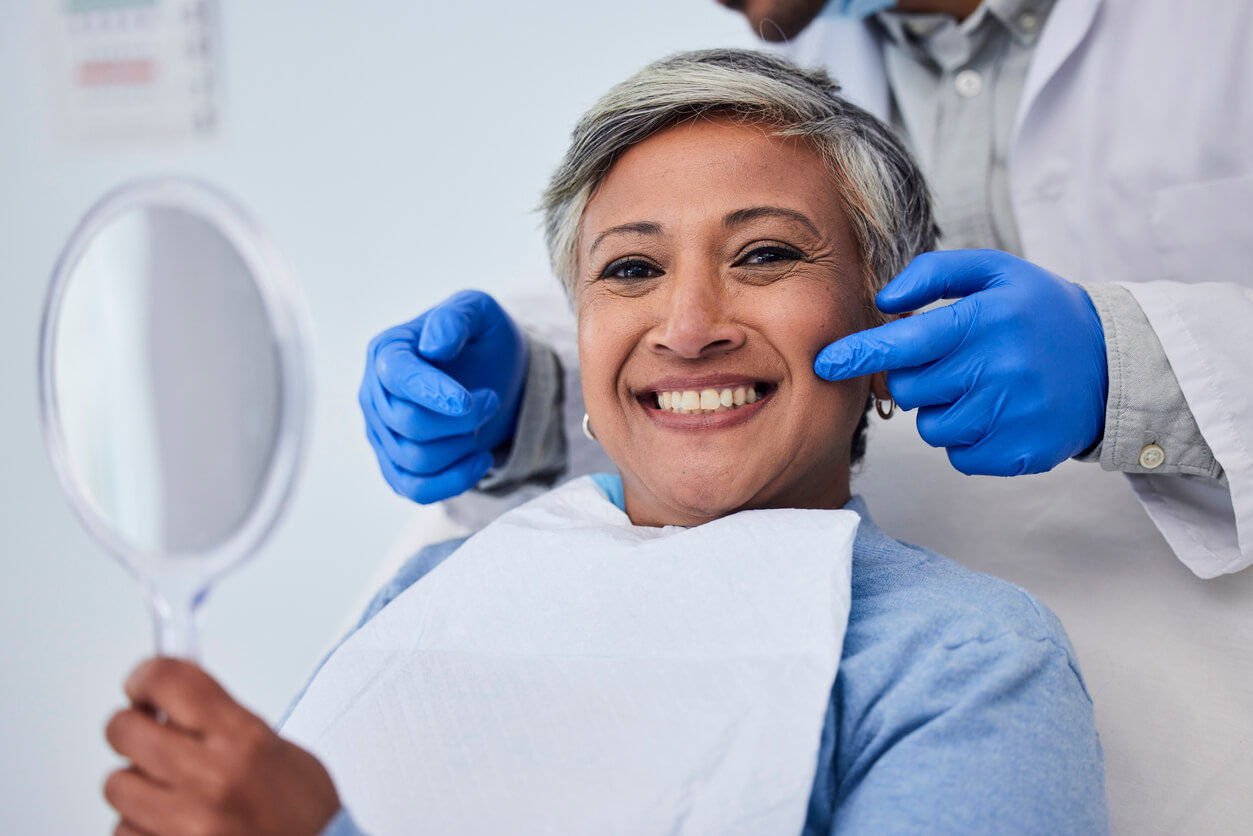
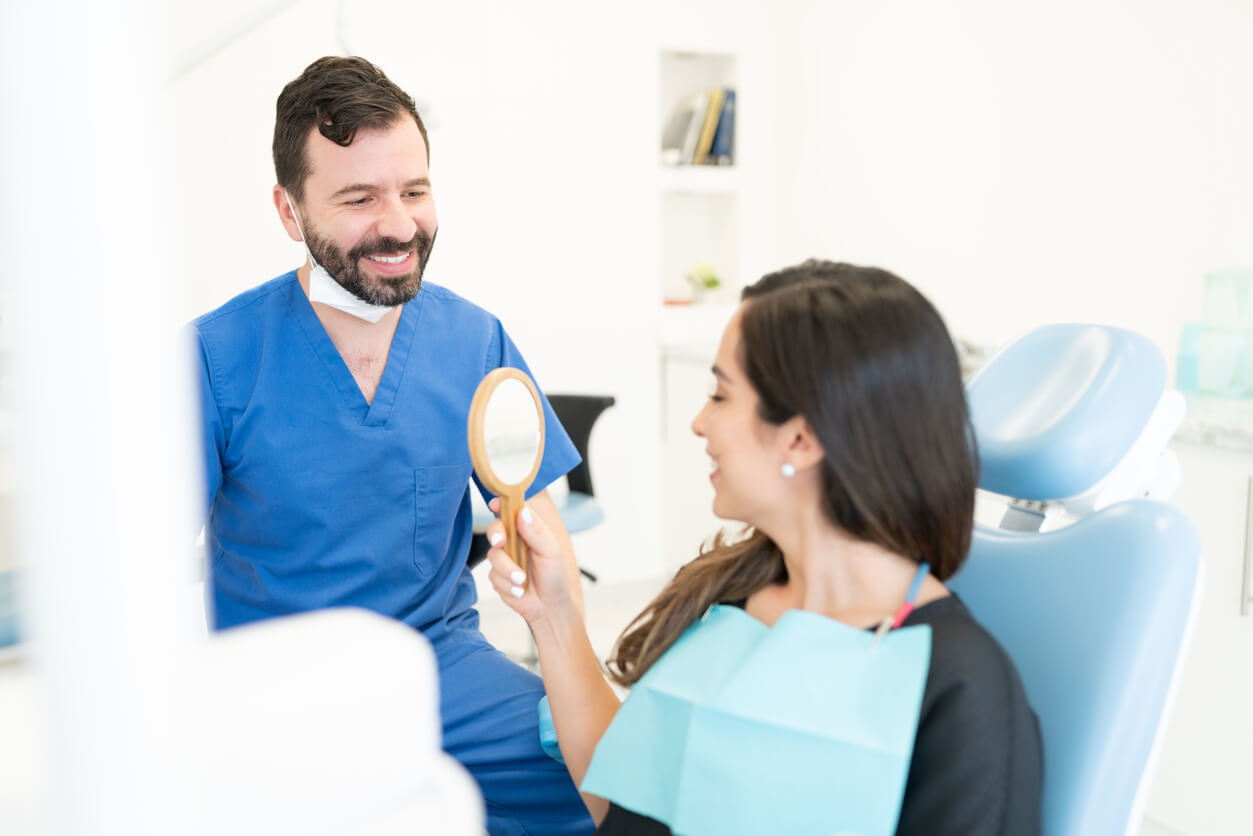
According to a survey, 8% of Americans have received dental veneers as a cosmetic dental procedure. But when do veneers become more than just a beauty upgrade?
This article explores when dental veneers might be medically necessary, helping you understand their dual role in aesthetics and health. You’ll discover the different types of veneers and how they can improve the appearance of your smile while maintaining dental health.
What Are Veneers?
Veneers are thin, custom-made covers placed over the front of your teeth. They’re made from materials like porcelain or composite resin, designed to enhance the look of your natural teeth.
Beyond just appearance, veneers offer restorative benefits, helping to protect and strengthen teeth that may be chipped, worn down, or discolored. By creating a smooth, attractive surface, veneers can give you a more confident smile while also improving your overall dental health.
Types of Veneers
Veneers offer various types, each with its distinct benefits. Let’s explore them more closely:
- Porcelain Veneers: These are popular for their strong durability and ability to resist stains. They closely resemble natural teeth in appearance, providing a seamless look when applied.
- Composite Veneers: These are a cost-effective choice, often used for quick cosmetic fixes. They are easier to repair if damaged and are popular in many dental offices.
- No-Prep Veneers: These require very little preparation of your tooth’s structure. This makes them a less invasive choice, ideal for those looking for minimal changes to natural teeth.
Advantages of Dental Veneers
Knowing the benefits of dental veneers can help you decide on your dental care. Here are some key perks they offer:
- Smile Enhancement: Veneers create a bright and natural look, allowing you to smile with confidence. They effectively cover imperfections like stains, giving you a refreshed appearance that boosts your self-esteem.
- Protection: Acting as a protective barrier, veneers help shield your teeth from further damage. If you have teeth that are chipped or weakened, veneers can prevent additional wear and tear, maintaining your dental health over time.
- Restoration: For those with broken or chipped teeth, veneers provide a way to restore a natural and functional appearance. They fill in gaps and uneven areas, making sure your teeth look complete and aesthetically pleasing.
- Address Oral Health Issues: Veneers are not just about looks; they can also tackle oral health concerns. By covering severe discoloration and areas of enamel loss, veneers contribute to healthier teeth, preventing issues that might arise from exposed or compromised enamel.
Can Veneers Be Medically Necessary?
Yes, veneers can indeed be medically necessary in certain situations. While they are frequently chosen for cosmetic enhancement, veneers also play a vital role in addressing specific dental health concerns that go beyond appearance.
When Are Veneers Medically Necessary?
Knowing when veneers are needed medically helps determine their critical role in dental care. Here are some situations where they are essential:
Severe Enamel Loss
When enamel erodes due to factors like acid erosion or wear, teeth are exposed to potential damage. Veneers serve as a protective covering, safeguarding against further deterioration and sensitivity.
Structural Restoration
After having major dental work like fillings, your teeth might need some extra support to stay strong. Veneers can help by reinforcing these teeth, making sure they function well and can handle the pressures of daily chewing with ease.
Significant Discoloration
Deep stains from medication or fluorosis may not respond to whitening treatments. In these cases, veneers provide a fresh, clean appearance while also supporting tooth health.
Surface Damage Repair
If teeth are chipped, cracked, or worn from habits like grinding, veneers offer a restorative option. They help return teeth to a uniform shape and size, improving both aesthetics and function.
Cosmetic vs. Medically Necessary Veneers
Grasping the difference between cosmetic and medically necessary veneers is key to understanding their role in dental care. Here’s how these two types differ:
| Aspect | Cosmetic Veneers | Medically Necessary Veneers |
| Purpose | Improve the appearance of teeth | Address underlying oral health issues |
| Focus | Aesthetic enhancement, such as whitening and reshaping | Protection and restoration for dental health |
| Insurance Coverage | Often not covered by most dental insurance plans | May receive partial coverage under dental insurance plans |
| Eligibility | Based mainly on personal choice | Determined by dental necessity and evaluation |
How Dentists Decide If Veneers Are Medically Needed
Dentists use a comprehensive evaluation to determine if veneers are medically necessary, considering several key factors:
- Consultation and Imaging: Dentists often use diagnostic tools like X-rays and digital imaging to get a clear picture of the teeth’s condition and plan the best course of action.
- Enamel Erosion: They examine the extent of enamel loss, which could make teeth vulnerable to damage. If erosion is severe, veneers might be necessary to fortify the teeth and prevent further deterioration.
- Tooth Functionality: Dentists assess whether the teeth can perform daily tasks like chewing without additional support. If structural integrity is compromised, veneers may be required to restore normal function.
- Structural Damage: A detailed inspection for chips, cracks, or wear helps determine if veneers are needed to protect the teeth from additional harm and maintain their integrity.
- Underlying Conditions: Issues such as severe discoloration or acid erosion are evaluated, as these can significantly impact oral health. Veneers can offer both aesthetic improvement and health benefits.
- Patient History: Any existing dental work or ongoing oral health issues will be considered to decide if veneers are an appropriate solution.
Maintenance and Care Tips for Veneers
To keep your veneers looking great and maintain your oral health, follow these helpful tips:
- Use a Soft-Bristled Toothbrush: Gently brush your veneers twice a day to avoid scratching or damaging the surface. A soft brush helps preserve the smooth finish.
- Floss Regularly: Clean between your teeth each day to remove food particles and plaque. This routine supports gum health, which is crucial for veneer longevity.
- Regular Dental Check-Ups: Make a regular visit to your trusted dentist for professional cleanings and exams. These check-ups can spot potential issues early and help maintain your veneers in excellent condition.
- Avoid Hard Foods: Be cautious when eating hard foods like crunchy nuts or ice, as they can chip or crack your veneers.
- Limit Staining Substances: Try to reduce the consumption of staining beverages like coffee, tea, and red wine. These can discolor veneers over time.
- Wear a Mouthguard: Using a mouthguard at night can help shield your veneers from wear and damage if you grind your teeth.
Comparing Veneers With Alternative Treatments
Exploring the differences between veneers and other dental treatments can guide you in selecting the best option for your needs. Here’s a comparison of veneers and alternative options:
| Aspect | Veneers | Braces | Teeth Whitening | Dental Bonding |
| Purpose | Covers imperfections, enhances appearance and function | Corrects alignment issues | Lightens tooth color | Repairs chips and cracks |
| Procedure | Involves placing thin shells on teeth | Uses brackets and wires to move teeth | Uses bleaching agents | Applies composite resin to affected areas |
| Longevity | Lasts typically 10-15 years | Long-term solution, with adjustable aligners | Temporary, requires touch-ups | Lasts several years |
| Time Required | Completed in a few dental visits | Takes months to years | Quick procedure, may need repeats | Usually completed in one visit |
| Aesthetic Impact | Immediate transformation in look and feel | Results in a beautifully aligned smile | Brightens the overall tooth shade | Restores natural look of minor imperfections |
| Cost | Higher due to materials and customization | Varies, often higher than veneers | Generally less expensive | Typically costs less than veneers |
| Suitability | Ideal for cosmetic and mild functional issues | Best for structural alignment problems | Suitable for surface discoloration | Good for minor damages and reshaping |
By consulting your dentist, you can find the best approach for your needs. Whether focusing on cosmetic enhancement or addressing specific dental concerns, each option offers unique benefits.
Elevate Your Smile Experience With Us!
Consider using veneers to improve your smile. Whether you’re addressing medical concerns or seeking cosmetic enhancements, we can guide you. At Dunedin Family Dentistry in Palm Harbor, FL, we provide tailored dental solutions just for you. Our friendly team will discuss the best options and help with payment and insurance plans to fit your needs.
Don’t wait any longer to boost your oral health and confidence. Contact us today, and let’s work together to achieve your dream smile.